A Bold Step Towards Reversing Ageing: The First Injection Unveiled
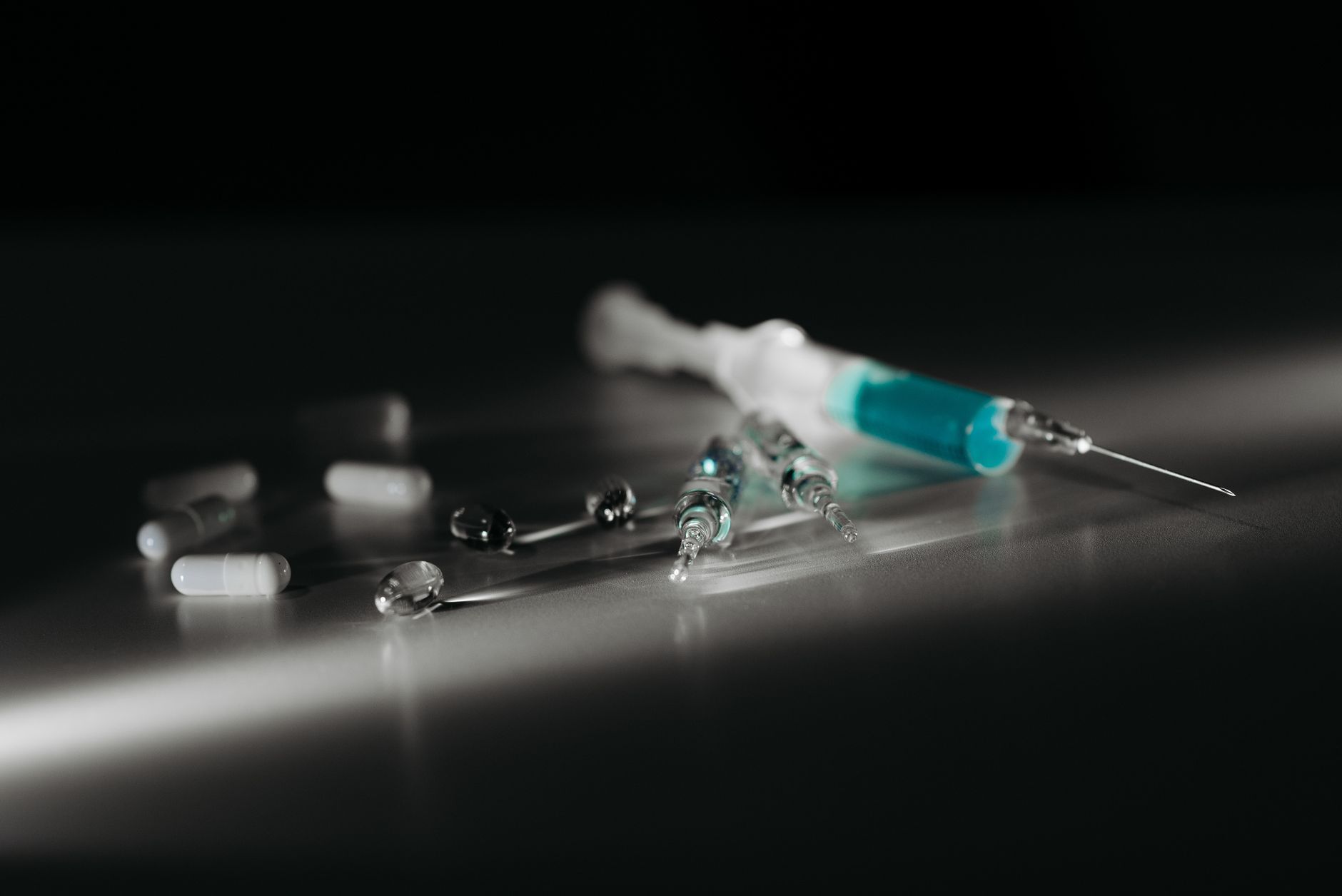
In a move that could reshape the future of medicine, a groundbreaking reverse-ageing drug has been administered to a human for the first time. This daring medical experiment took place quietly, with the drug injected into the eye of a patient suffering from glaucoma. The company behind this audacious venture has chosen to remain tight-lipped about further specifics, leaving the world to speculate on the implications.
Rejuvenation science has long dreamt of such possibilities, where the ageing process might not just be slowed, but actively reversed. While life extension has often been the focus, this new frontier seeks to rejuvenate cells, potentially offering a new lease on life. The treatment, still shrouded in mystery, could herald a new era where age-related ailments are no longer seen as inevitable.
Historically, the quest to turn back the biological clock has been the stuff of science fiction. Yet, recent advancements, particularly in biotechnology, have brought us closer to this dream. Researchers in Israel, for instance, have been experimenting with hyperbaric oxygen chambers to lengthen telomeres, a key indicator of cellular ageing. Now, with this latest injection, the realm of possibility seems to have expanded even further.
However, as promising as these developments may be, they are not without controversy. Ethical questions loom large, particularly concerning the accessibility of such treatments and the potential for misuse. Moreover, the scientific community remains cautiously optimistic, aware of the complexities involved in translating these initial successes into widely available therapies.
The business implications for biotech firms are equally significant. Companies that succeed in developing effective ageing reversal therapies stand to gain immensely, not just in terms of profit, but in the broader impact on public health and longevity. This could lead to a paradigm shift in how we perceive ageing and health, influencing everything from healthcare policies to insurance practices.
As the world watches with bated breath, one thing is clear: the conversation around ageing and rejuvenation is poised to evolve significantly. Whether this marks the beginning of a new chapter in human health remains to be seen, but the potential for transformative change is certainly on the horizon.