Afghan Businesses Struggle as Taliban Enforce Dress Code
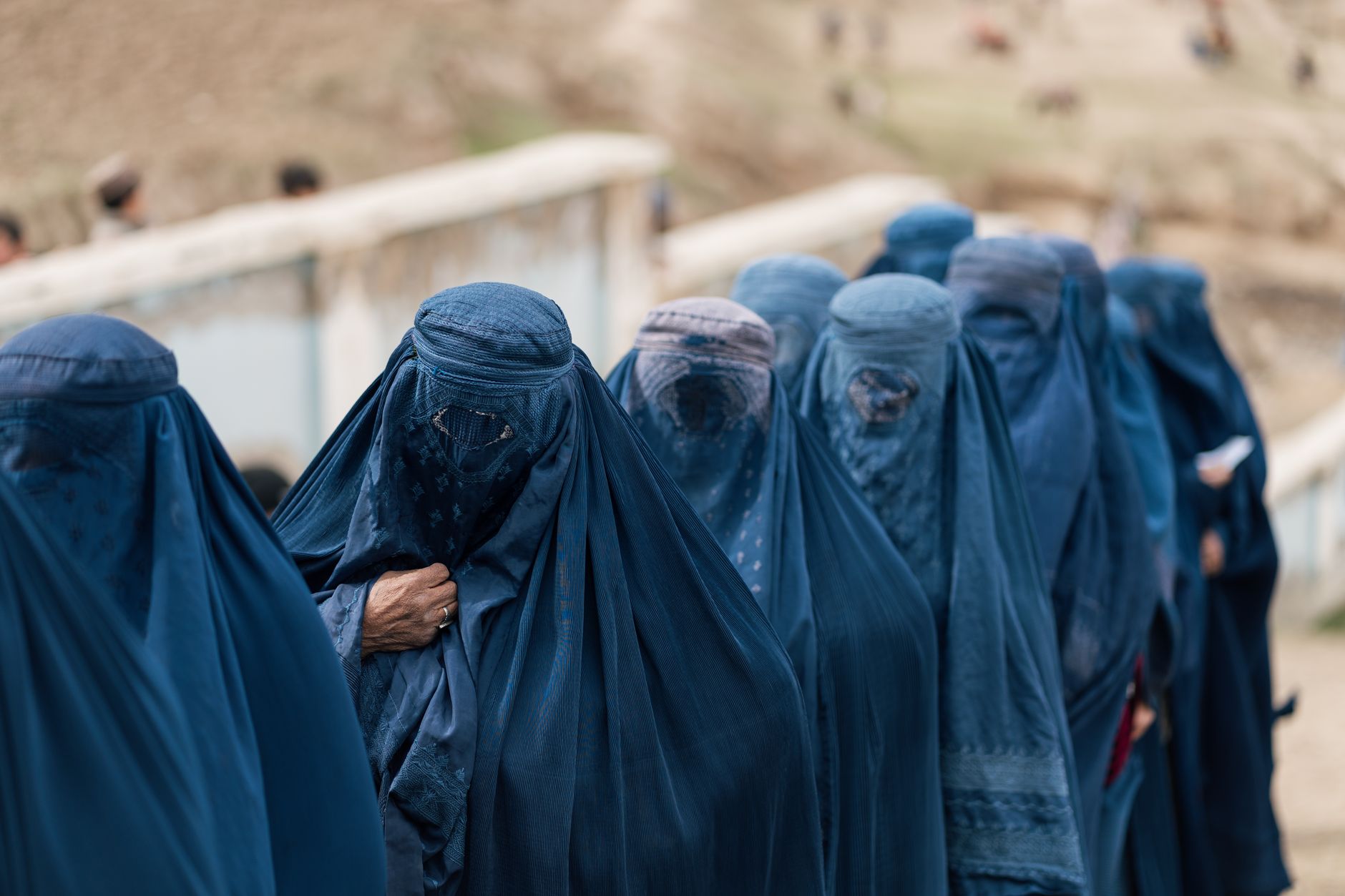
In the bustling streets of Herat, a city once known for its vibrant marketplaces, a noticeable silence has taken hold. The chatter of women, who traditionally formed the backbone of the local consumer base, has been replaced by an unsettling quiet. This comes in the wake of the latest directives from the Taliban's Ministry for the Promotion of Virtue and Prevention of Vice, which have imposed severe restrictions on women's dress code.
The new guidelines, which threaten arrest for non-compliance, have led many women to avoid public spaces altogether. As a result, businesses that once thrived on the patronage of female customers are seeing their fortunes dwindle. Shopkeepers in Herat report a significant drop in sales, with some fearing they may soon be forced to close their doors.
The Economic Ripple Effect
This decline in consumer activity is not merely a localised issue. It underscores a broader economic challenge facing Afghanistan under the Taliban's rule. Women's participation in the economy, whether as consumers or entrepreneurs, has historically contributed to the nation's economic fabric. By curtailing their freedom, the Taliban risks further destabilising an already fragile economy.
"It's not just about buying and selling," says a local shop owner who wished to remain anonymous. "Women are integral to our community. Their absence affects our entire social structure." The sentiment echoes throughout Herat, where the absence of women is palpably felt.
Social Implications
Beyond the economic ramifications, the enforcement of such dress codes raises profound social questions. The Taliban's restrictions are a stark reminder of the limitations placed on women’s rights, echoing the group's previous regime in the 1990s. Human rights organisations have repeatedly condemned these measures, arguing that they represent a violation of basic freedoms.
For now, the streets of Herat continue their subdued existence, as traders hope for a change in policy that might bring back the vibrancy they once knew. Until then, the city's economic heart beats a little quieter, overshadowed by the constraints of an austere regime.