Afghanistan, Yemen, Syria: A Grim Reality for Women's Safety
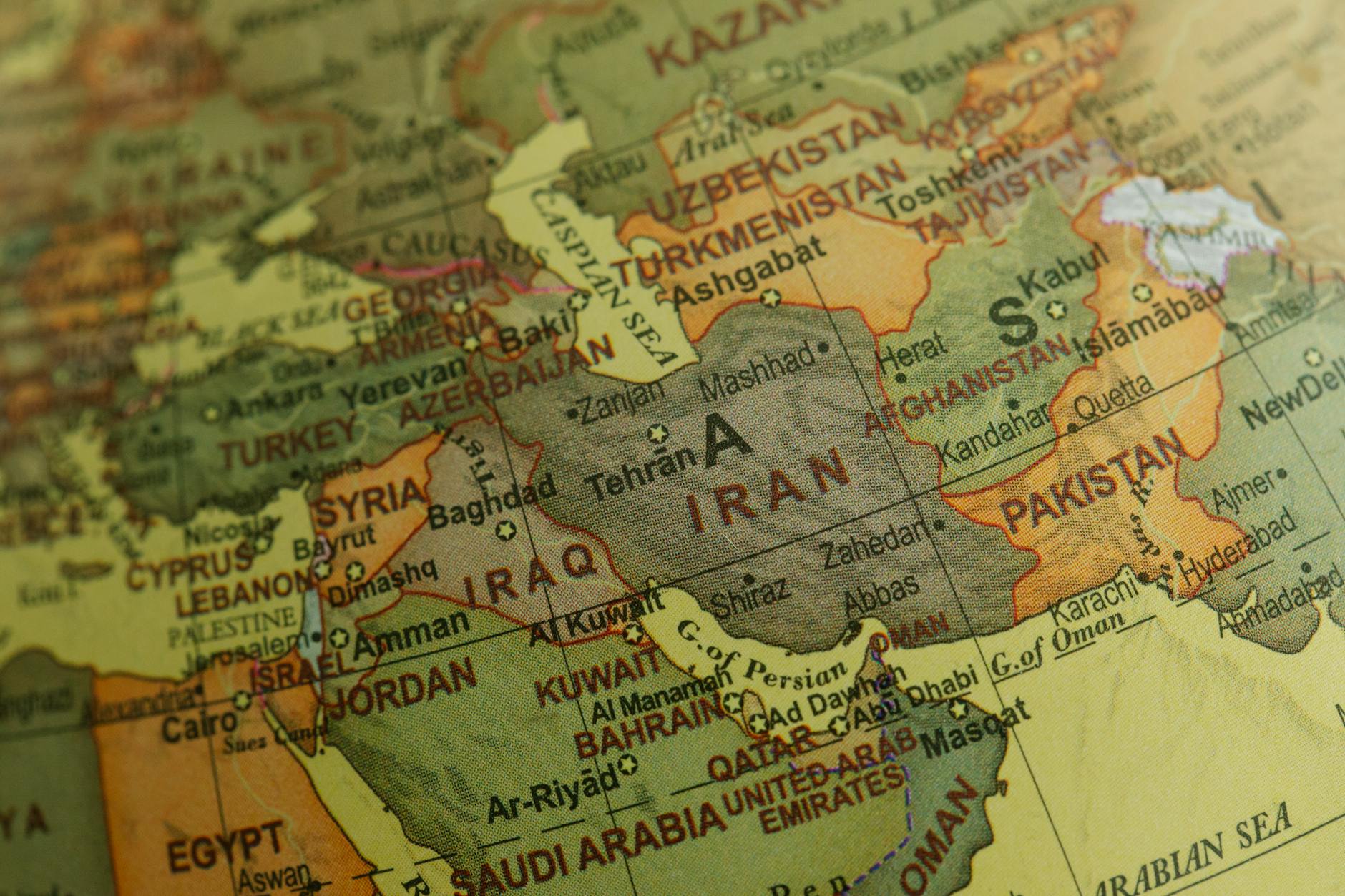
In the shadow of ongoing conflict and instability, Afghanistan, Yemen, and Syria have emerged as the world's most perilous places for women. According to the recent Women Peace and Security Index, these nations rank lowest in terms of women's safety, inclusion, and justice. The grim statistics underscore the relentless challenges women face in these war-ravaged regions.
The index, compiled by the Georgetown Institute, evaluates 181 countries on various indicators that reflect the state of women's wellbeing. Afghanistan, already synonymous with conflict and strife, finds itself at the bottom of this list. The situation for women there is exacerbated by a regime that restricts freedoms and opportunities for half of its population.
Yemen and Syria: Battlegrounds for Women's Rights
In Yemen, years of conflict have left millions in need of humanitarian aid, with women often bearing the brunt of the crisis. The lack of access to basic healthcare, combined with the threat of violence, makes daily life a struggle for survival.
Syria, too, presents a dire portrait. Amidst the rubble of a prolonged civil war, Syrian women face not only physical threats but also societal constraints that limit their participation in rebuilding efforts. These conditions highlight a broader global issue concerning women's rights and safety in conflict zones.
Global Implications and the Path Forward
The findings of the Women Peace and Security Index demand urgent international focus. While Denmark continues to set the standard for women's safety and equality, the contrast with the bottom-ranked nations is stark. The international community faces a moral imperative to address these disparities by supporting peace initiatives and promoting gender equality in conflict-affected areas.
Ultimately, the path to improving women's safety in Afghanistan, Yemen, and Syria lies in sustained international collaboration and a commitment to addressing the root causes of conflict and inequality. Until then, the voices of women in these regions remain a poignant reminder of the global journey still to be undertaken.