AI Diagnoses Impress, But Doctors Excel in Treatment Nuances
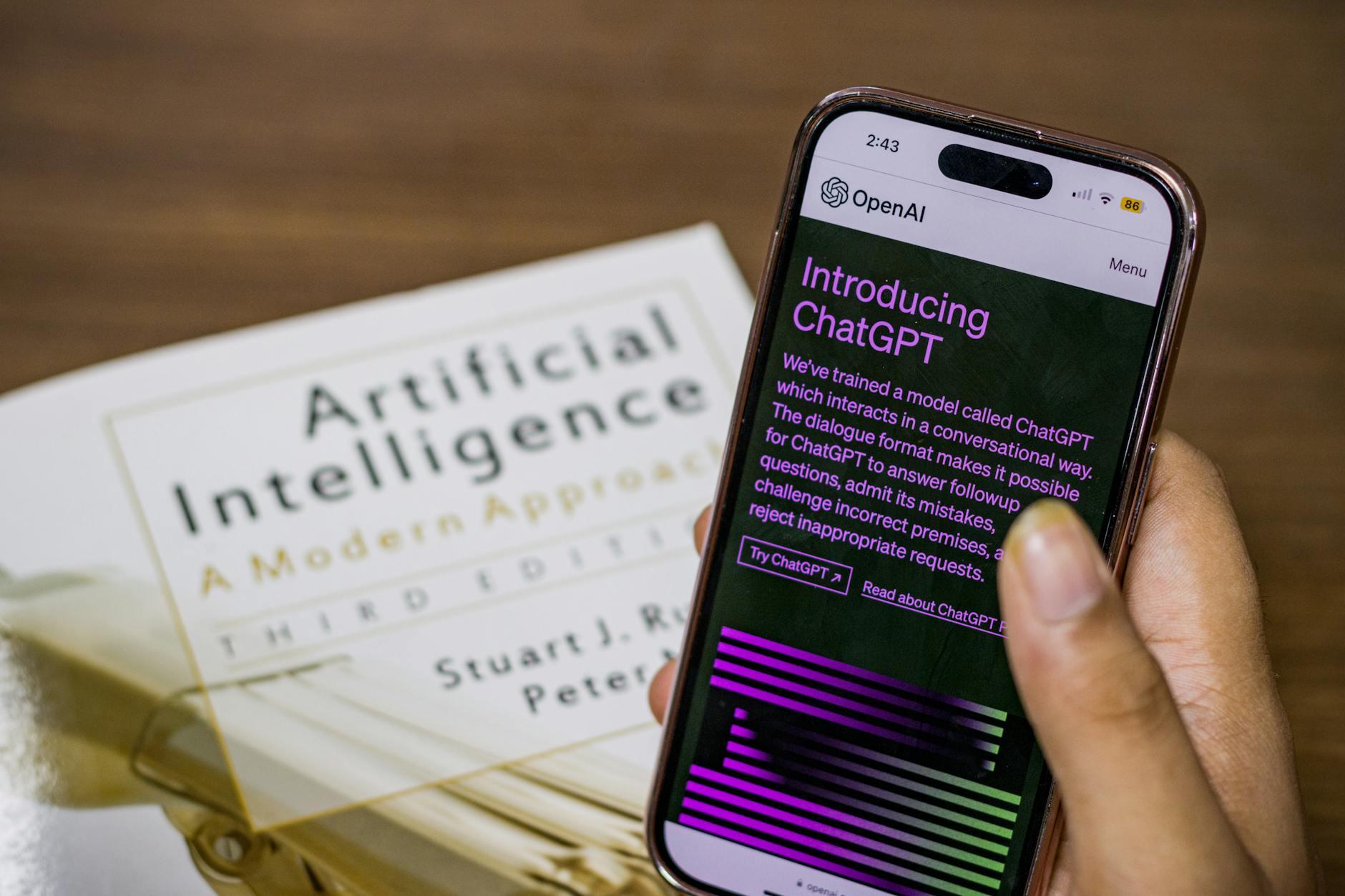
In the brightly-lit corridors of modern medicine, a new player is emerging with startling proficiency. The AI-driven platform ChatGPT has shown a remarkable knack for diagnosing health issues, often rivalling the prowess of human doctors. Yet, when it comes to the delicate art of treatment, the seasoned judgement of a human doctor still reigns supreme.
Recent studies have highlighted an intriguing trend: AI platforms, such as ChatGPT, are impressively accurate in pinpointing the causes of ailments. In controlled experiments, these digital diagnosticians have even outperformed human counterparts in identifying medical conditions. However, diagnosis is but the first step in a much larger journey towards health.
Once a condition is identified, the real challenge begins—deciding the best course of treatment. Here, the nuances of human experience and the innate ability to weigh multiple variables come into play. A machine can suggest treatment protocols based on data, but it lacks the intuition to consider a patient's personal history, lifestyle, and emotional state—factors that can significantly influence treatment outcomes.
The Human Element
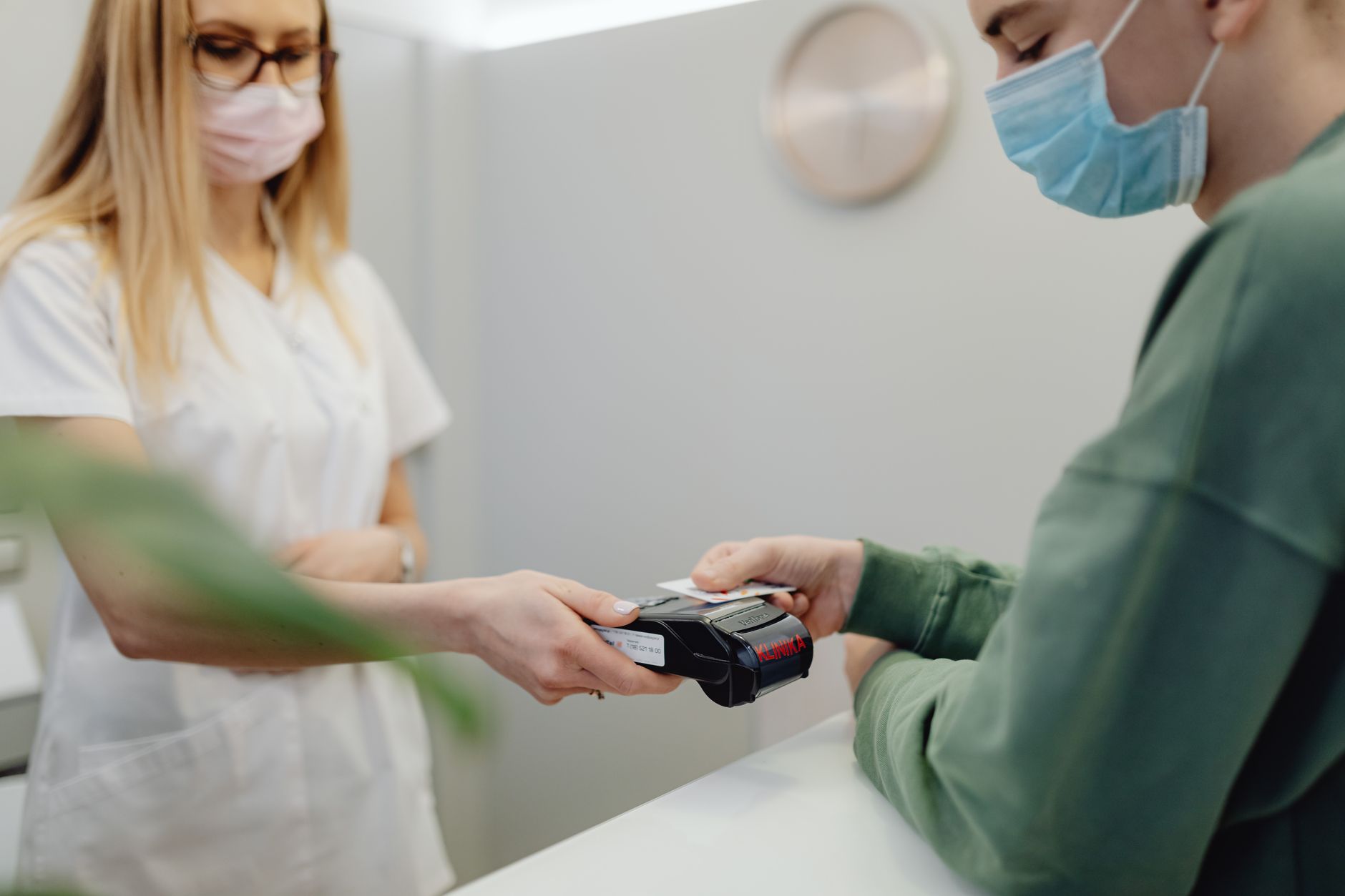
The art of medicine is deeply rooted in the human experience. Doctors do not merely diagnose; they manage, counsel, and guide their patients through the complexities of treatment. This requires a delicate balance of science and empathy, something that AI, despite its algorithms, cannot replicate.
Dr. Sarah Laverne, a consultant at a leading London hospital, remarked, "While AI can provide us with valuable insights, it's the human touch that reassures and comforts patients during their most vulnerable moments." Her words echo a sentiment felt across the medical community—AI is a tool, not a replacement.
The debate over AI's role in healthcare is far from settled. Proponents argue for its efficiency and potential to reduce human error. Critics caution against over-reliance on technology that lacks the capacity for compassionate care. As AI continues to evolve, the integration of human oversight in its application remains crucial.
Balancing Act
The challenge lies in harnessing the strengths of both AI and human expertise. A symbiotic relationship between technology and traditional medicine could pave the way for a future where healthcare is both cutting-edge and deeply compassionate. However, this balance requires careful management and constant reevaluation to ensure that patient care remains holistic and humane.
The journey towards incorporating AI into healthcare has only just begun. As it unfolds, the focus must remain on what truly matters: improving patient outcomes while preserving the essential human connection at the heart of medicine.