AI in Healthcare: Diagnostic Prowess versus Human Judgement
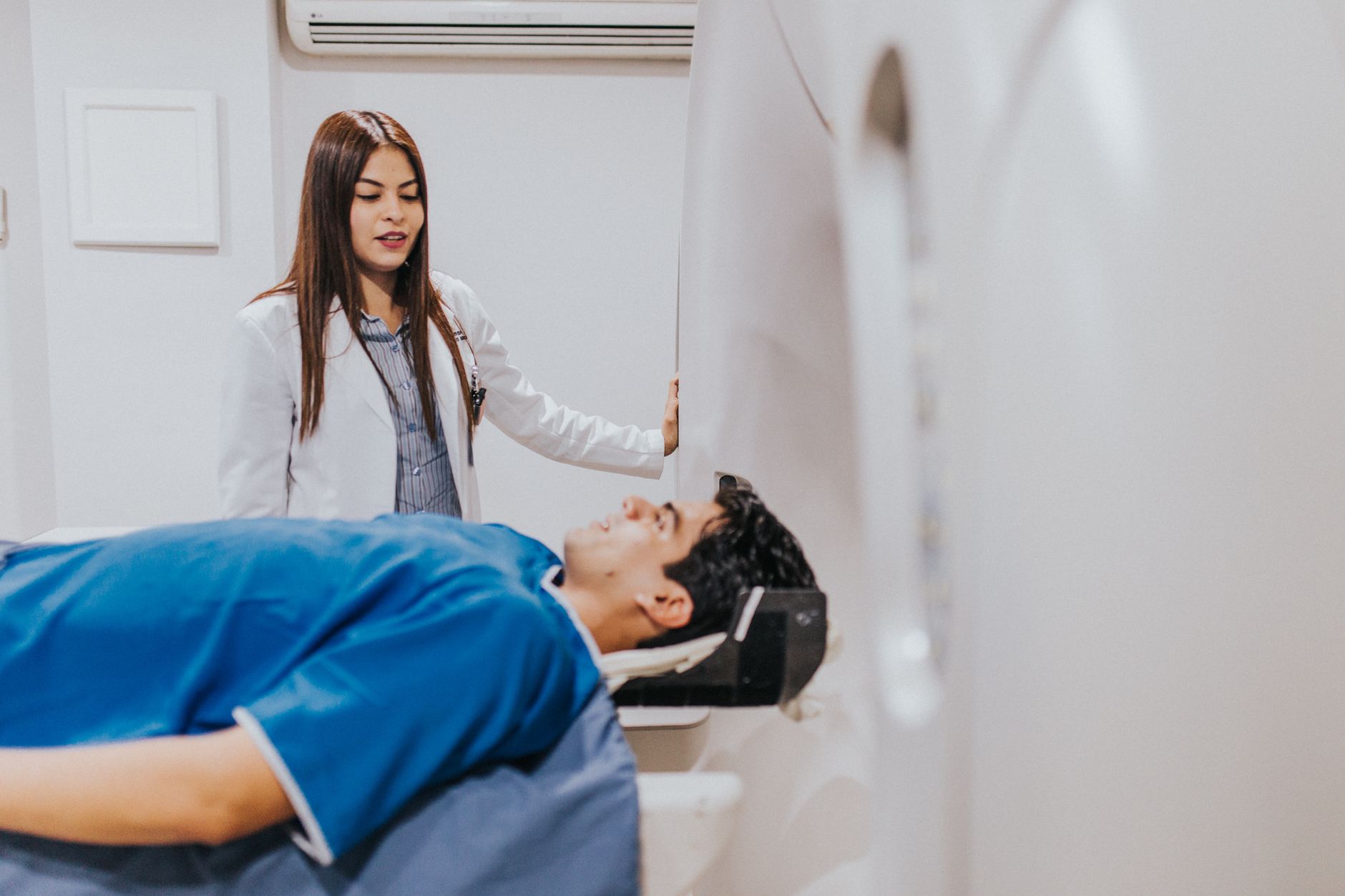
In the world of medical diagnostics, artificial intelligence is carving a niche with increasing precision. Dr. ChatGPT, the latest in AI technology, is proving adept at identifying health issues with a level of accuracy that is, quite frankly, impressive. Yet, when it comes to the delicate art of weighing treatment options, the human touch still holds sway.
The allure of AI in healthcare is not difficult to understand. With its ability to process vast amounts of data at lightning speed, AI can spot patterns and correlations that might elude even the most experienced clinician. Dr. ChatGPT, for instance, has shown a remarkable ability to diagnose conditions ranging from the mundane cold to the more complex autoimmune disorders. However, diagnosis is merely the first step in a patient's journey.
Human Judgement: The Critical Factor
While machines excel in pattern recognition, they lack the nuanced judgement that human doctors bring to the table. Treatment options often involve a myriad of factors—patient history, lifestyle, potential side effects—which require a level of empathy and understanding that AI has yet to master.
Consider the case of a patient with diabetes. While Dr. ChatGPT might swiftly identify the condition and suggest a range of treatment options based on the latest research, it is the human doctor who will consider the patient's personal circumstances, preferences, and psychological readiness to adhere to a treatment plan.
Collaboration over Competition
The rise of AI in healthcare should not be seen as a threat to medical professionals but rather as an opportunity for collaboration. By integrating AI's diagnostic capabilities with the empathetic, contextual understanding of human doctors, the potential for enhanced patient care is immense.
Furthermore, AI can assist in alleviating some of the pressures on healthcare systems by handling routine diagnostics, allowing doctors to focus on complex cases requiring human insight.
In conclusion, while Dr. ChatGPT and its AI counterparts are becoming increasingly adept at diagnosing health problems, the depth of understanding and judgement that human doctors provide remains irreplaceable. The future of healthcare lies in a symbiotic relationship where technology and human expertise work hand in hand to improve patient outcomes.