AI-Powered Drones: The Rising Threat in Modern Warfare
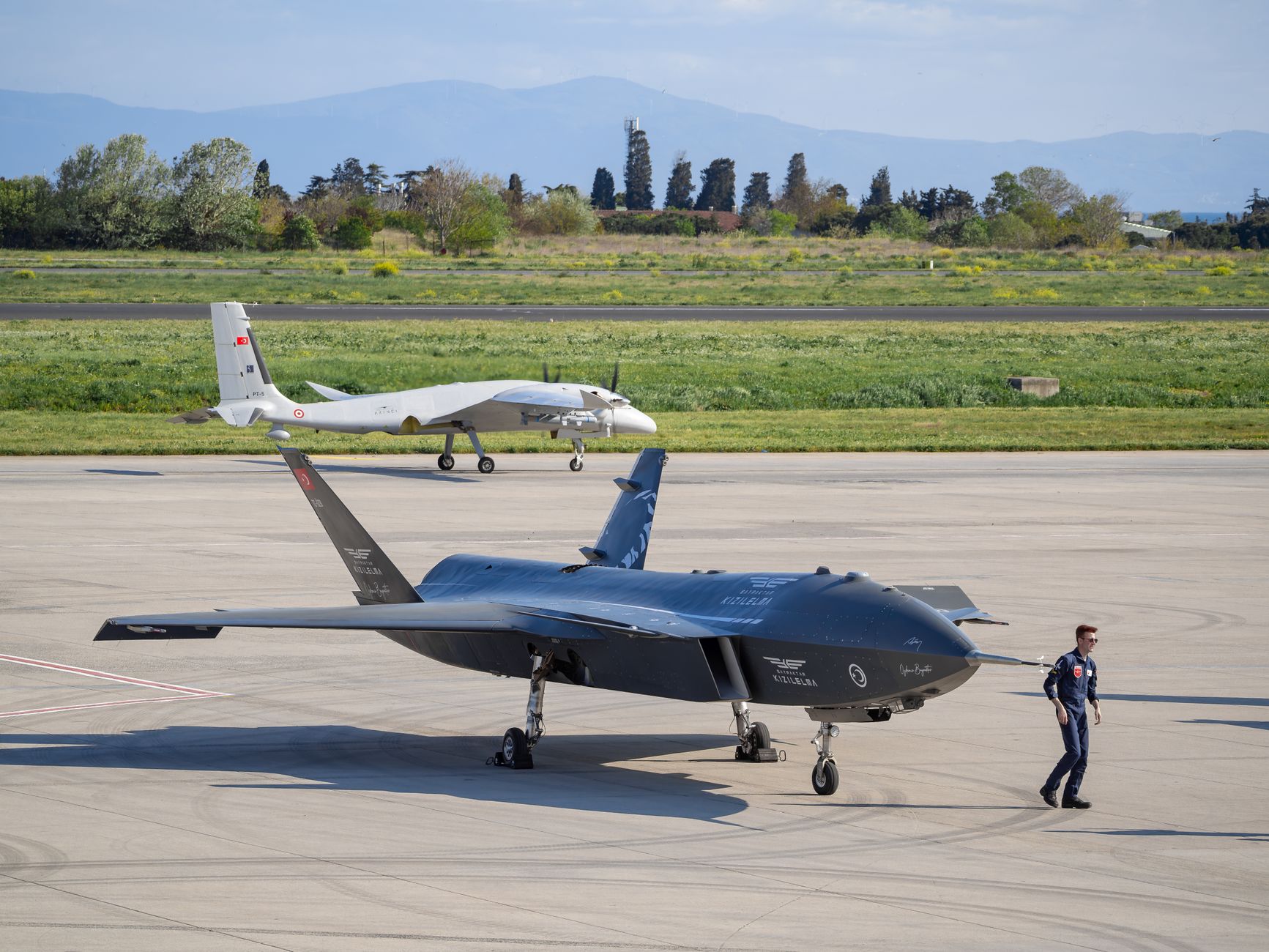
In a world where technology races ahead at lightning speed, the battlefield is no exception. The next chapter in drone warfare is being written with artificial intelligence, as drones like Russia's Shahed evolve to identify and strike targets independently. This unsettling advancement was highlighted by a leading Ukrainian drone analyst, who pointed to the potential for AI to transform military strategies.
While the idea of drones making autonomous decisions might sound like science fiction, it is becoming an increasingly tangible reality. Recent developments suggest that the Shahed drones, infamous for their precision and resilience, could soon be equipped with AI capable of recognising targets and executing attacks without human intervention. However, despite these advancements, some technological hurdles remain, particularly in decision-making AI.
Ukraine's defences have been bolstered by their own innovations, countering these threats with interceptor drones designed to autonomously detect and neutralise incoming Shaheds. The Defence Minister, Mykhailo Fedorov, confirmed that these systems have already undergone successful combat testing, marking a significant step in Ukraine's military capabilities.
The ramifications of AI-driven drones extend beyond immediate military concerns. Ethical questions loom large, as nations grapple with the implications of machines making life-and-death decisions. Furthermore, the strategic balance of power could shift dramatically, as countries with advanced AI capabilities gain a distinct edge in warfare.
As technology continues to outpace regulation, the international community faces pressing challenges in establishing norms and treaties that address the use of AI in warfare. The stakes are high, and the need for a balanced approach that harnesses technological advancements while ensuring accountability and oversight is paramount.