AI's Diagnostic Prowess Grows, Yet Doctors Remain Key for Treatment
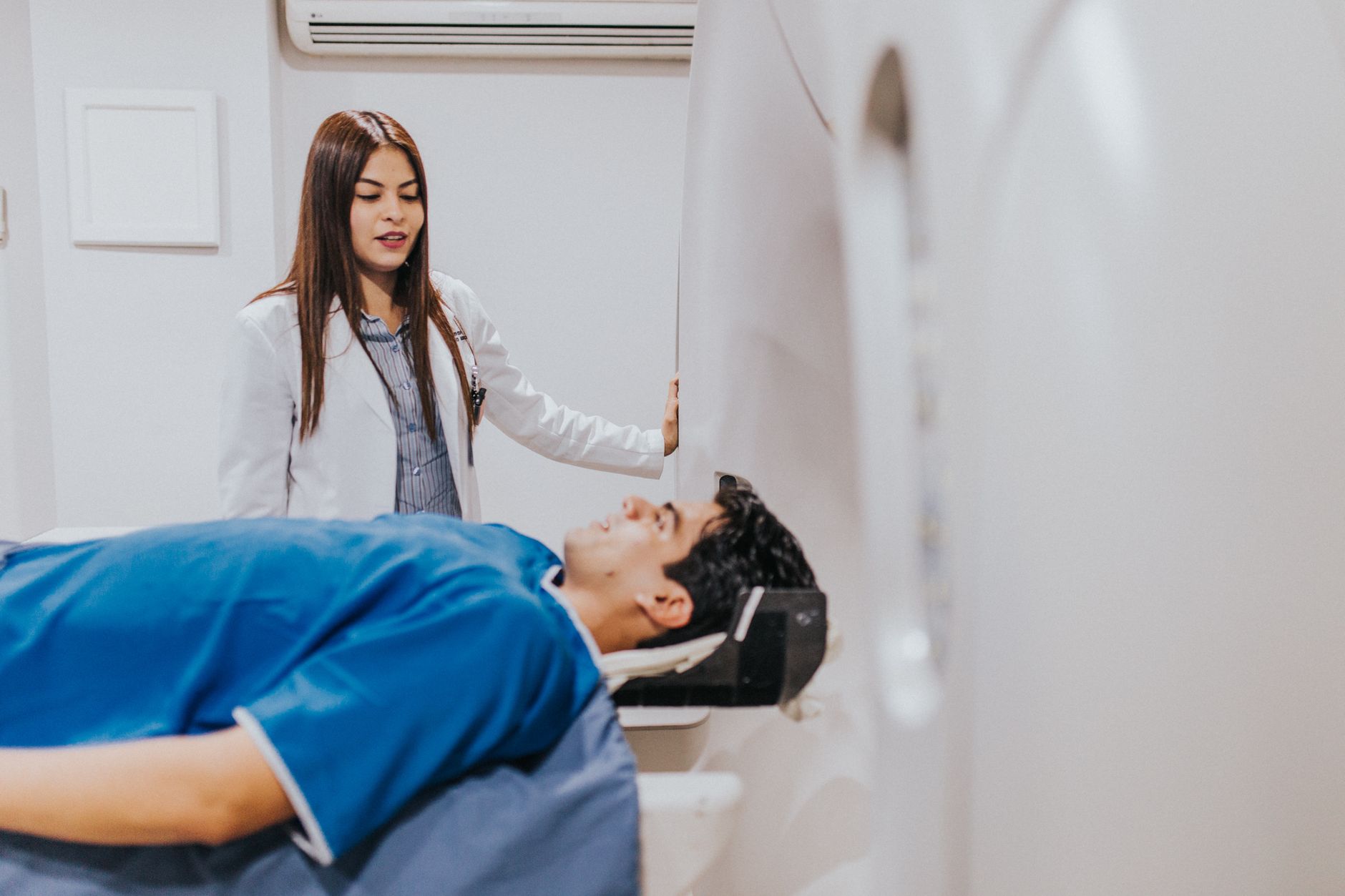
In an era where technology permeates every facet of our lives, artificial intelligence is now making significant strides in the realm of healthcare. The AI model ChatGPT, widely recognised for its language processing capabilities, is now proving surprisingly adept at diagnosing medical conditions. Yet, amidst this digital revolution, the human touch in treatment decision-making remains irreplaceable.
Recent experiments have shown that AI can sometimes outperform human doctors in the realm of diagnosis. In a controlled setting, ChatGPT demonstrated an impressive ability to identify illnesses with accuracy that rivals seasoned practitioners. However, the process of diagnosis is merely the first step in a much larger journey towards recovery.
While knowing what ails a patient is crucial, the art of medicine truly lies in the subsequent decisions about care and treatment. Here, the human element of medical practice shines. Doctors bring to the table years of experience, intuition, and the ability to weigh complex variables — factors that a machine, for all its computational prowess, struggles to emulate.
The Role of AI and Human Expertise
AI's capacity for processing vast amounts of data quickly and accurately positions it as a valuable tool in the diagnostic process. For example, in situations where time is of the essence, AI can provide rapid preliminary assessments that can guide further investigation. However, when it comes to interpreting these results and integrating them with a patient’s unique circumstances, human judgement is paramount.
Experts caution against over-reliance on AI for comprehensive medical care. “The real challenge lies not in identifying the problem, but in managing it,” remarked Dr. Emily Succi, a consultant physician. “AI can offer suggestions based on data, but only a human can truly understand the nuances of a patient’s life, concerns, and preferences.”
The Future of AI in Medicine
As AI technology continues to evolve, its role in healthcare will undoubtedly expand. However, the consensus among medical professionals is clear: AI should be seen as a complementary tool, not a replacement for human expertise. The symbiotic relationship between AI and doctors could lead to a new era of medical practice, where technology enhances human capabilities without supplanting them.
The path forward involves integrating AI into medical education and practice, ensuring that future doctors are equipped to harness its capabilities while maintaining the critical human elements of empathy and ethical judgement.
In conclusion, while AI like ChatGPT is transforming the landscape of medical diagnostics, the wisdom and discernment of human doctors remain indispensable in navigating the complexities of patient care.