Algeria's Post-Hirak Test: The Elections That Could Redefine a Nation
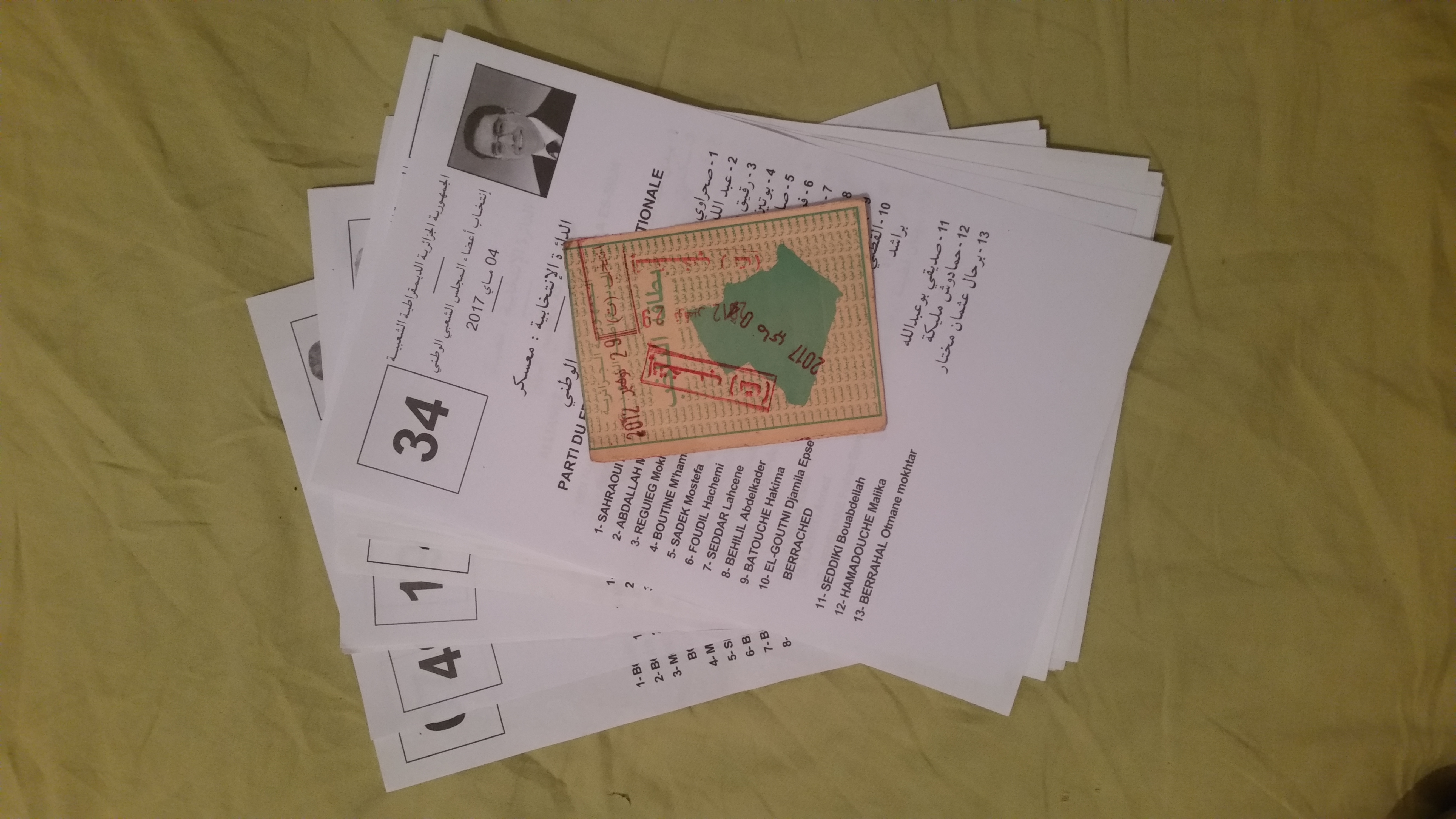
In the bustling streets of Algiers, the anticipation is palpable. Algerians are gearing up for a pivotal moment in their political history as they head to the polls on 2 July. This election, seen as a litmus test of the post-Hirak political environment, promises to reveal much about the country's trajectory.
The Hirak movement, often referred to as the 'Revolution of Smiles', erupted in February 2019, challenging then-President Abdelaziz Bouteflika's bid for a fifth term. The protests, marked by their peaceful nature and widespread participation, eventually led to Bouteflika's resignation. However, the demands for systemic change lingered long after the initial victory.
Challenges and Expectations
President Abdelmadjid Tebboune, who assumed office in the wake of Hirak, has been tasked with navigating these turbulent waters. His government has promised reforms, yet many Algerians remain sceptical. The economic situation, exacerbated by global challenges, has only added to their concerns. Many citizens are demanding greater transparency and a genuine commitment to change, not just rhetoric.
The parliamentary elections are therefore not just about choosing representatives. They are a referendum on the current administration's ability to translate post-Hirak promises into tangible progress. The electorate is diverse, with young people and women playing increasingly significant roles, driven by the desire for a future that breaks free from the shackles of the past.
Regional Dynamics at Play
Algeria's relationship with its European neighbours, particularly France and Spain, has been fraught with tension in recent years. These diplomatic strains highlight the broader geopolitical challenges the nation faces. The outcome of the elections could influence Algeria's foreign policy, particularly its interactions with Europe.
As the vote approaches, the international community watches closely. Algeria's political stability is of regional importance, and the elections may well set a precedent for other North African nations grappling with similar calls for reform.
In the end, the true test will be whether the election fosters a renewed sense of hope and agency among Algerians, or whether it reinforces the status quo. For many, the stakes have never been higher.