AMC Entertainment Ventures Into Live Concerts with Arena One
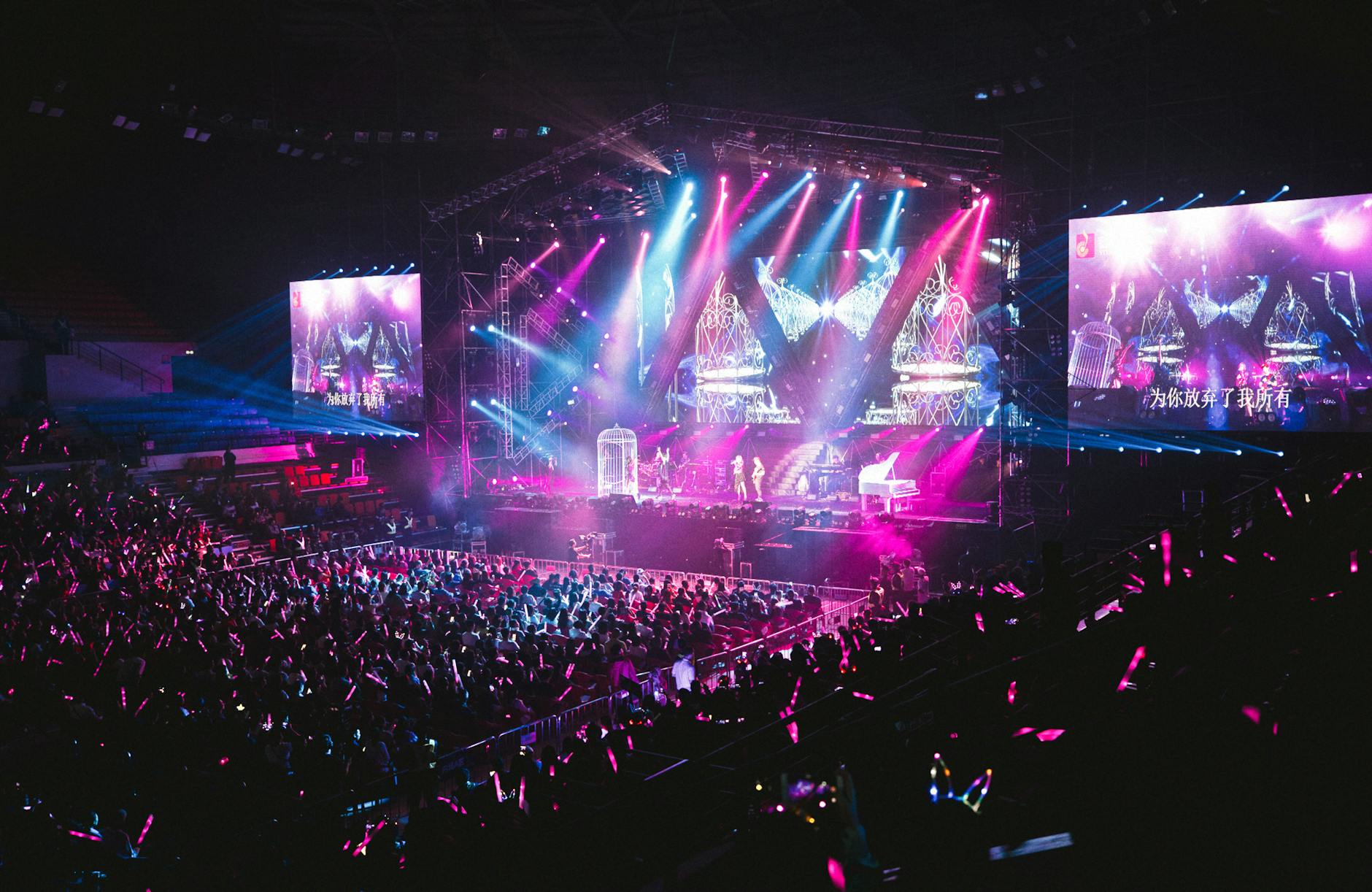
In a bold move that could reshape the cinematic landscape, AMC Entertainment is stepping beyond the silver screen to embrace live music. Partnering with Arena One, AMC plans to bring live, interactive concerts to more than 300 theatres across the nation. This initiative not only marks a significant shift in AMC's content strategy but also highlights its ambition to become more than just a venue for films.
The concept is simple yet revolutionary: fans will be able to enjoy live performances from their favourite artists in the familiar comfort of their local cinemas. By integrating real-time interactivity, these concerts promise a sense of immediacy and presence that is often missing from traditional concert settings. This move is part of a broader strategy to diversify AMC's offerings and attract a wider audience.
Redefining Premium Content
AMC's foray into live concerts via Arena One is not an isolated venture. It aligns with their ongoing efforts to enrich their premium content portfolio, which includes AMC+, a streaming service known for its original series and exclusive films. While AMC+ continues to cater to fans of franchises like 'The Walking Dead,' the live concerts aim to lure music enthusiasts back into theatres, a demographic that has been somewhat elusive in recent years.
This diversification comes at a time when traditional cinema attendance has faced challenges, with streaming services offering convenient alternatives to film buffs. By introducing live concerts, AMC is positioning itself as a cultural hub where entertainment is not limited to celluloid.
Implications for the Future
With this strategic shift, AMC is clearly signalling its intent to remain a key player in the entertainment industry. The introduction of live concerts is a testament to its adaptability and vision for the future. Such initiatives could potentially revitalise theatre attendance, providing a new revenue stream that complements its existing offerings.
However, the success of this move will depend on various factors, including the quality of the concerts and the degree of audience engagement achieved through interactivity. Yet, as AMC explores these new avenues, it underscores a broader trend of traditional entertainment venues adapting to changing consumer preferences.
In conclusion, AMC's partnership with Arena One is more than just an experiment; it represents a calculated expansion of its entertainment horizon. As audiences become more diverse in their tastes, AMC's strategy to integrate live music with its cinematic offerings could set a precedent for the future of multiplex entertainment.