Ancient Bonds: How Early Humans Befriended Dogs Over Salmon
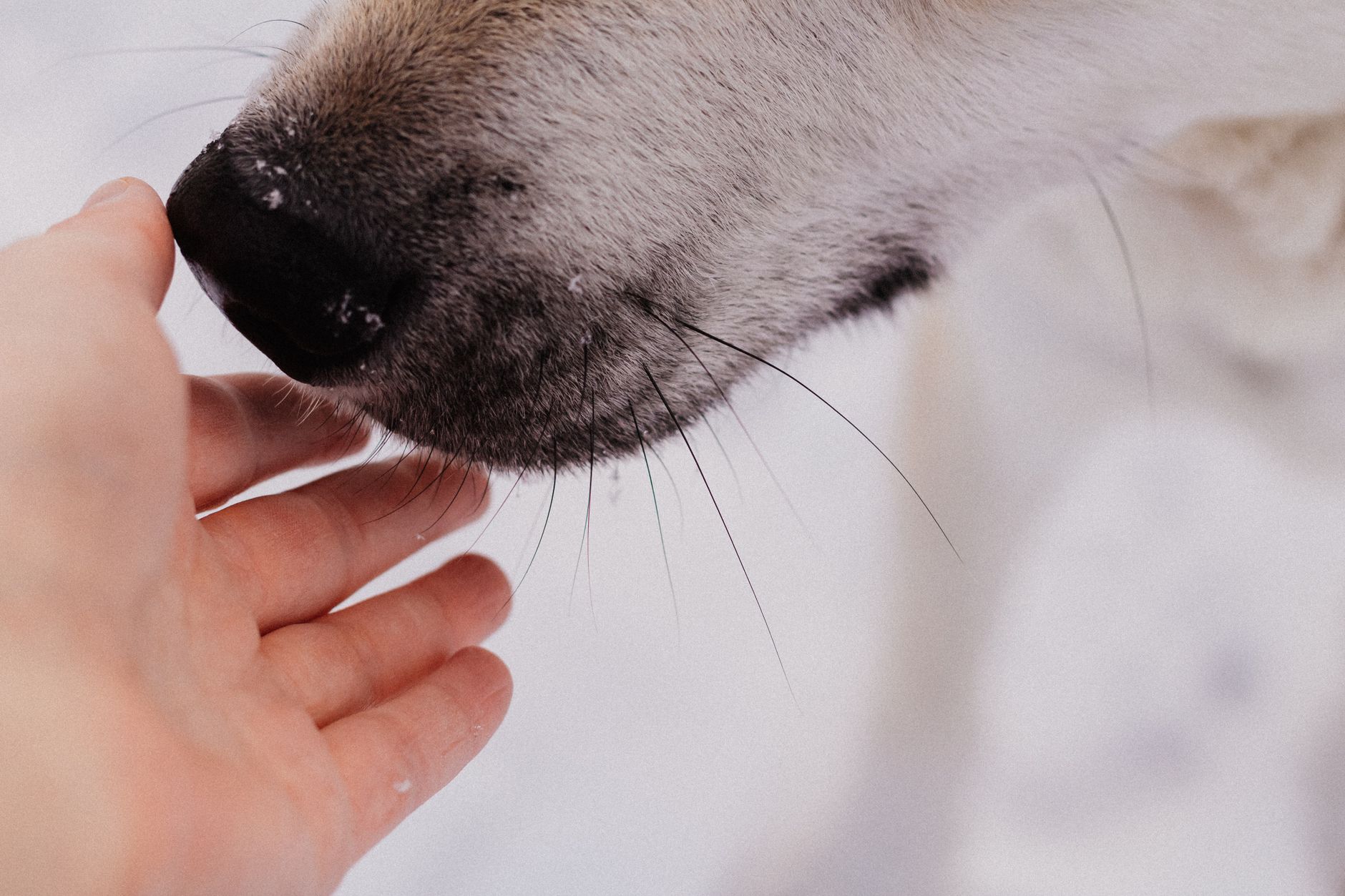
In a revelation that could redefine our understanding of human-canine relationships, scientists have unearthed evidence suggesting that humans and dogs began their age-old friendship over a shared meal of salmon. This remarkable finding was uncovered in the frosty terrains of Alaska, where archaeological remains have dated the human-canine camaraderie back to 12,000 years ago, a full 2,000 years earlier than previously documented in the Americas.
The discovery, led by researchers from the University of Arizona, involved the examination of ancient bones and artefacts. The study, published in the journal Science Advances, highlights how early humans, residing in what is now modern-day Alaska, shared their salmon catches with the ancestors of today’s domestic dogs. This act of sharing, seemingly simple, might have been the cornerstone of a relationship that has since evolved into one of humanity’s most cherished bonds.
For decades, scholars have wondered about the origins of the human-dog relationship. The new findings not only push back the timeline but also suggest that the mutual benefits of companionship and shared resources were key in establishing these early bonds. The sharing of salmon likely provided nutritional benefits to the canines, while the humans gained loyal hunting partners.
The Role of Salmon in Early Societies
Salmon, abundant in the rivers of Alaska, was a crucial resource for early settlers. Its significance extended beyond human consumption, influencing social and survival strategies. The act of sharing such a vital resource with canines indicates a level of mutual understanding and cooperation that transcended mere survival.
Dr. Rebecca Johnson, a leading archaeologist on the project, explained, "The sharing of food is often the first step in forming social bonds. This study shows that even in ancient times, humans recognised the value of dogs not just as hunting aides but as companions."
Implications for Understanding Human-Animal Bonds
This discovery reshapes our understanding of how human-animal relationships developed. It provides concrete evidence that food sharing was a pivotal factor in the domestication process, reinforcing the idea that mutual benefit drives domestication. As we continue to uncover more about our shared past with animals, such insights can inform current conservation and domestication practices.
The story of humans and dogs, it seems, is as much about survival as it is about companionship. What began with a simple act of sharing a salmon catch has burgeoned into a relationship that is as multifaceted as it is enduring.