Ancient Deity’s True Identity Unveiled by Science
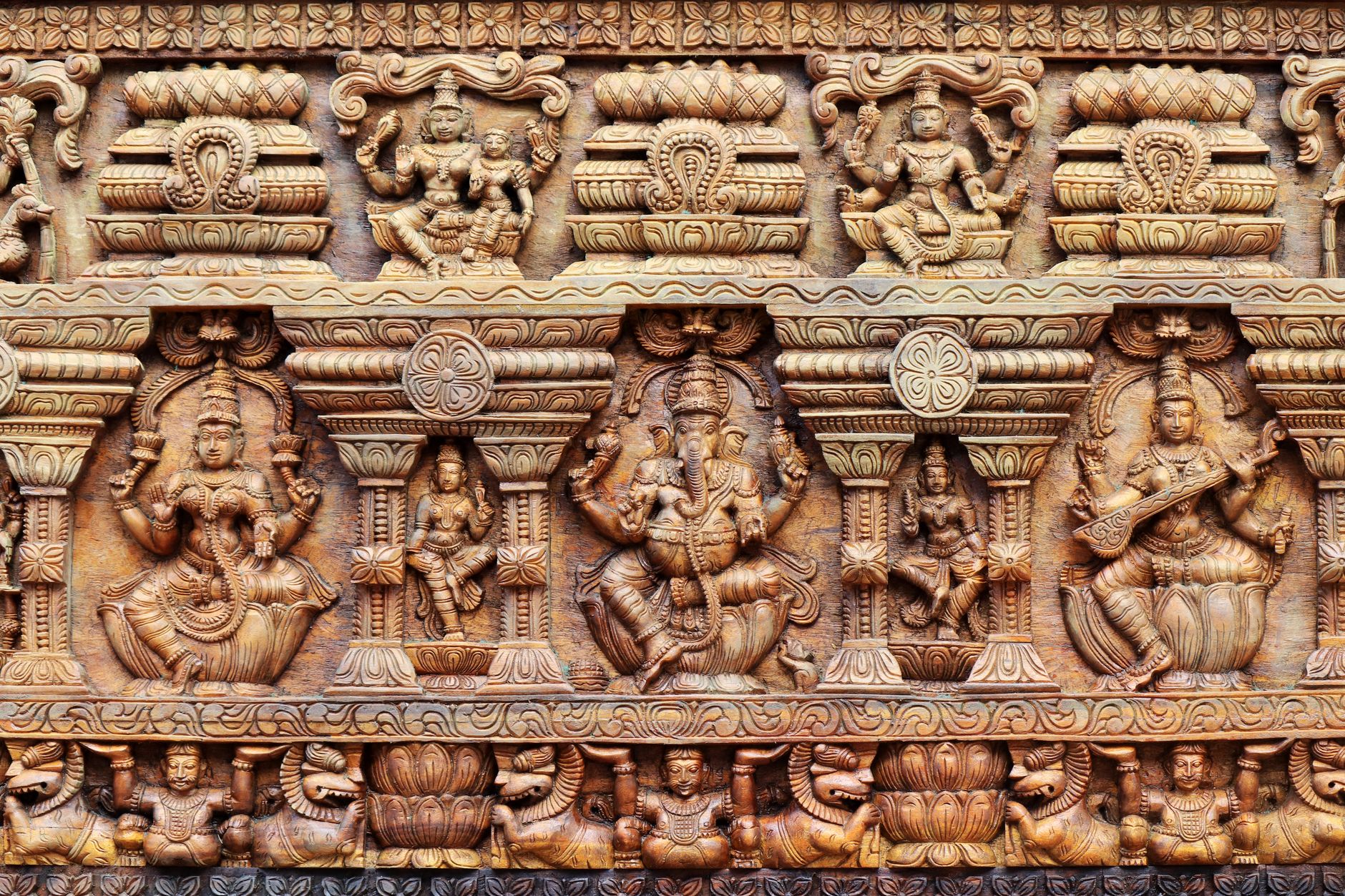
For over nine centuries, a statue in Dhar, Madhya Pradesh stood as a testament to historical oversight. Mistakenly identified as the Hindu goddess Saraswati, this 12th-century sculpture has now been correctly recognised as Gayatri, thanks to the diligent efforts of scientists employing modern technologies.
For generations, scholars revered the stone figure as Saraswati, the embodiment of wisdom and knowledge, her missing veena—a classical instrument—lending credence to this belief. However, recent digital analysis and scientific scrutiny have challenged this long-accepted view, revealing the true identity of the deity.
The breakthrough came when experts employed cutting-edge digital imaging and spectral analysis techniques. These methods allowed them to reconstruct features and attributes that had eroded over centuries. The absence of the veena, initially seen as a mere loss, now stands as a critical indicator that the statue was misattributed.
The Significance of the Discovery
This revelation has implications far beyond the realm of archaeology. It invites a re-evaluation of cultural narratives and religious practices that have been built around the misidentification. Gayatri, associated with the Gayatri Mantra, holds a significant place in Hindu traditions, distinct from Saraswati.
Historians and theologians are now tasked with revisiting texts and practices influenced by this oversight. The discovery also underscores the potential of technology in revisiting and revising historical records.
While such misidentifications are not uncommon, the case of the Dhar statue highlights the dynamic nature of history—a reminder that what we accept as truth today may evolve with new evidence and perspectives. As we continue to harness technology in the pursuit of knowledge, we open doors to the past that were once thought closed forever.