Annual NHS Checks Urged for Women with PMOS
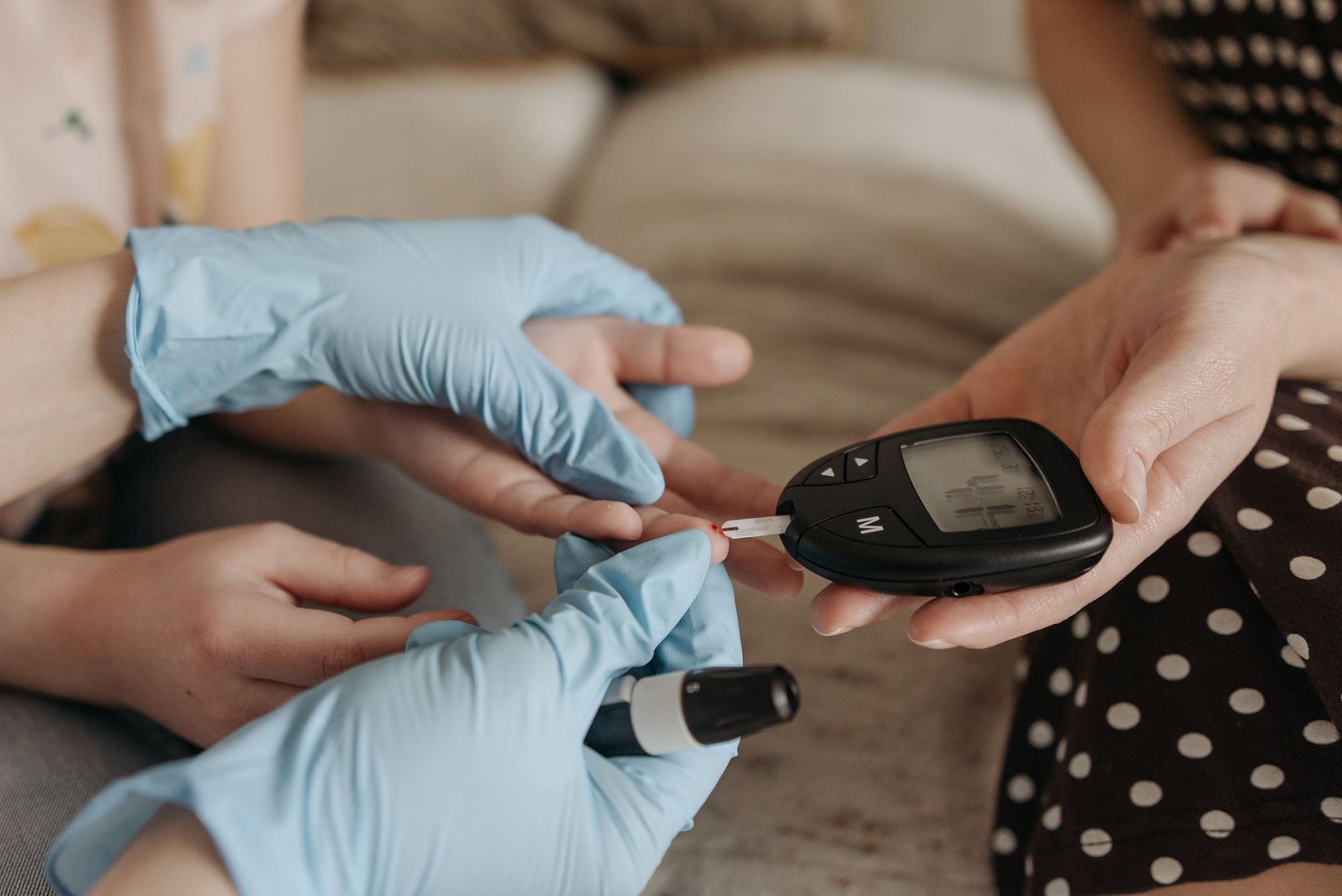
In a significant move to address the often-overlooked health issues faced by women with polyendocrine metabolic ovarian syndrome (PMOS), a health watchdog has recommended annual NHS check-ups. The advice aims to ensure that the complex condition, which is linked to a host of serious health problems, does not go unnoticed.
PMOS, a condition that affects a woman's hormonal balance, can lead to severe complications if left unchecked. It is closely associated with insulin resistance, type 2 diabetes, high blood pressure, and even uterine cancer. Furthermore, women with PMOS often face challenges related to fertility, adding to the emotional and physical burden of the condition.
Why Annual Checks Matter
The call for yearly health checks is grounded in the recognition that early detection and management can significantly mitigate the long-term impact of PMOS. Regular monitoring allows healthcare professionals to spot potential issues early, improving the chances of effective intervention. As the symptoms of PMOS can vary widely among sufferers, personalised care is essential.
Dr. Sarah Thompson, an endocrinologist, emphasised the importance of these checks. "By catching these health issues early, we can not only improve quality of life but also prevent many of the serious complications associated with PMOS," she noted.
Broader Implications for Women's Health
This recommendation also sheds light on the broader issues of women's health, which often remain under-discussed. Many women suffer in silence, unaware that their symptoms could point to an underlying condition like PMOS. By encouraging routine checks, the NHS could play a pivotal role in changing this narrative.
The advice has been welcomed by health advocates, who see it as a step forward in tackling a condition that has long been sidelined. They argue that awareness and education around PMOS should be heightened, not just among healthcare providers, but within society at large.
Ultimately, the decision to implement annual checks could mark a turning point in the management of PMOS, offering hope to countless women affected by its wide-ranging effects.