Apple Sets the Cost of AI Innovation on Consumer Devices
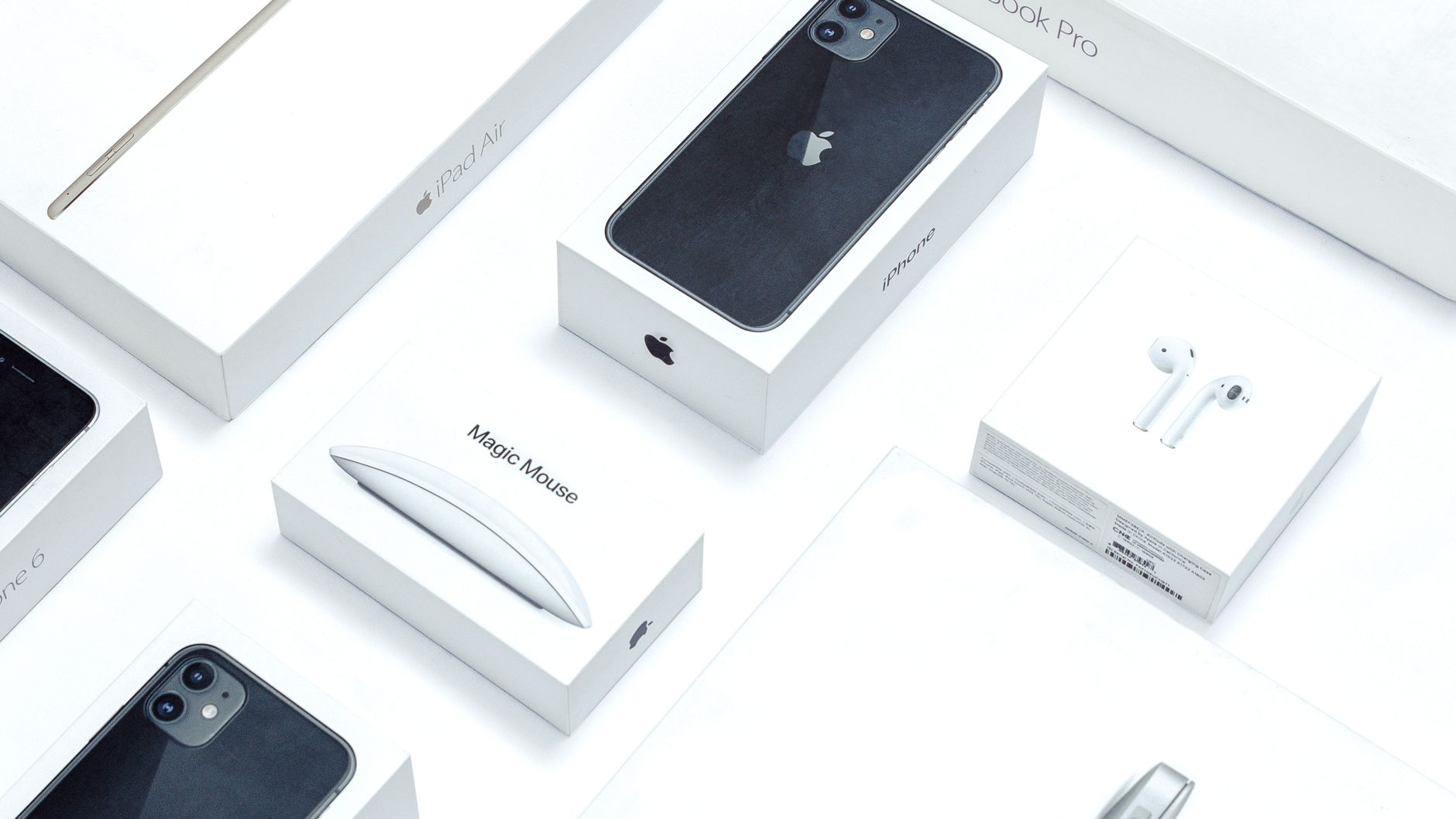
In a world where artificial intelligence is taking centre stage, Apple has made a striking announcement that shifts the AI narrative from corporate data centres to the consumer's living room. The tech giant has decided to increase prices on several of its flagship products, including MacBooks and iPads, citing the skyrocketing costs of memory chips, driven by the insatiable demand from AI data centres.
This move, while not unprecedented in the technology sector, is significant for its direct impact on consumers who might have otherwise remained blissfully unaware of AI's intricacies. The base model of the MacBook Pro now comes with a hefty price tag of $1,999, marking a $300 increase, while other devices like iPads and Apple TVs have seen similar hikes.
It is not just Apple feeling the pinch. Across the industry, prices are on the rise. The Xbox, for instance, has seen a near 25 percent increase, and Nothing, a consumer electronics company, scrapped an entire phone launch in response to similar pressures. However, Apple remains one of the most prominent companies to openly attribute these changes to AI.
The Economics of AI
The AI boom, for years, was a tale of mammoth data centres and abstract technological advancements. Yet now, its repercussions are visible in the tangible form of price tags on everyday gadgets. The high demand for AI capabilities has led to a surge in the need for high-performance memory chips, thus inflating costs which are then passed on to consumers.
For Apple, a company renowned for its innovation and premium pricing strategy, this move reflects both a challenge and an opportunity. While it underscores the company’s reliance on cutting-edge technology, it also presents a chance to educate consumers about the broader impacts of AI.
The Consumer's Burden
For the average consumer, this translates into a direct financial burden. The AI revolution, often touted as a transformative force for industries, is now reaching into the pockets of those who never asked to be part of it. Whether this heralds a new era of tech consumerism, where the costs of innovation are borne more directly by the public, remains to be seen.
In the meantime, as consumers adjust to these new pricing realities, the conversation around AI's role in society continues to evolve. Apple's decision may indeed be one of the first clear indications of how AI is reshaping not just technologies but the very economics of consumerism itself.