Australia's Uranium Pact with India: A New Chapter in Energy Ties
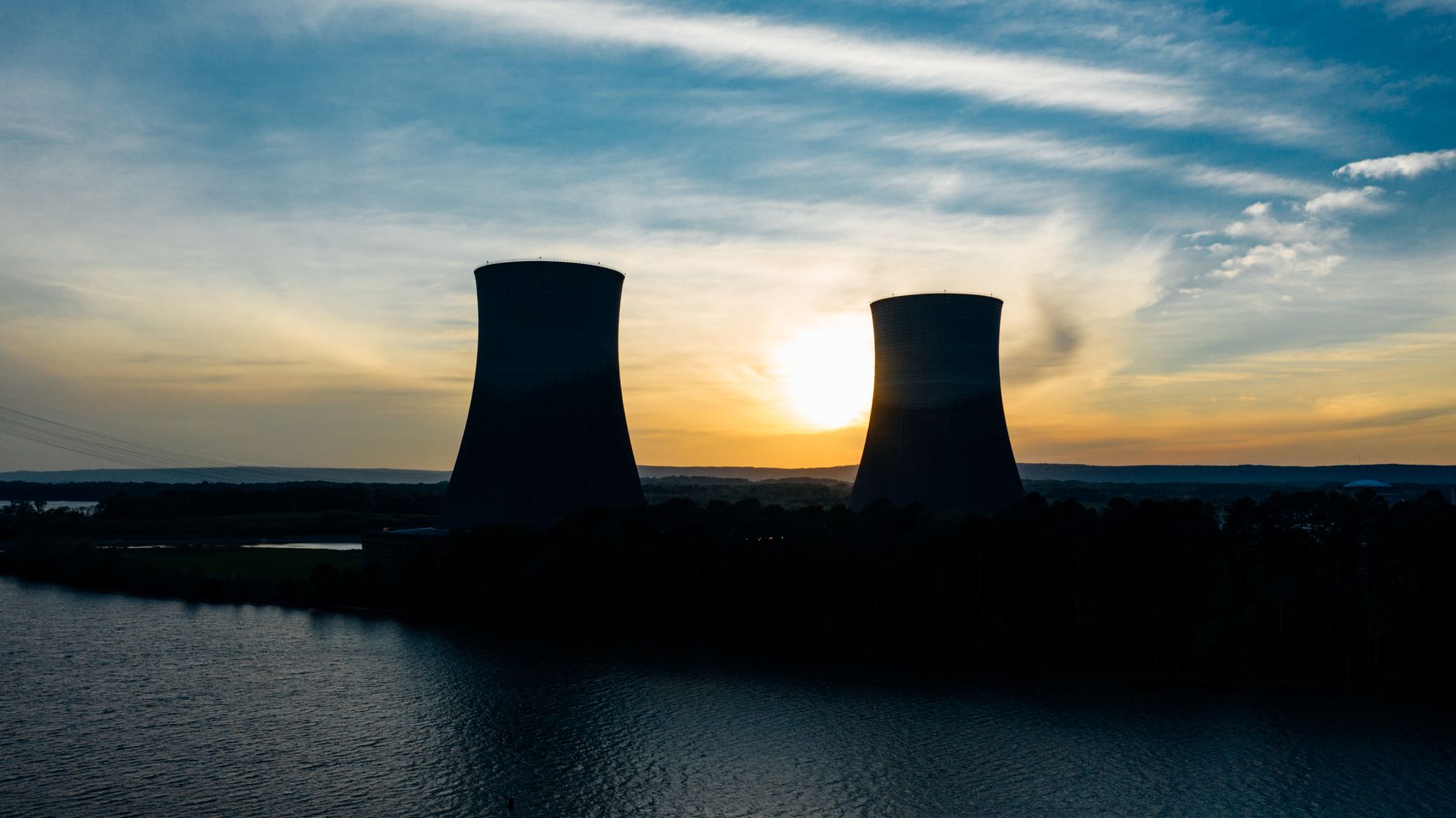
In an agreement that could redefine energy cooperation between two major democracies, Australia has agreed to supply uranium to India, addressing a long-standing gap in India's nuclear fuel supply chain. Announced during Prime Minister Narendra Modi's visit to Melbourne, the deal is seen as a cornerstone in India's ambitious plans to scale up its nuclear power capacity to 100 gigawatts by 2047.
India's quest for clean energy is no secret. As the world's third-largest emitter of carbon dioxide, transitioning to cleaner sources of energy is imperative. Nuclear energy, with its low carbon footprint, is a crucial part of this strategy. However, India's nuclear programme has often been hampered by fuel shortages, which this new agreement aims to alleviate. The arrangement ensures a steady supply of Australian uranium under strict international safeguards, thus reinforcing mutual trust and transparency.
Implications for Bilateral Relations
The agreement also marks a significant advancement in Indo-Australian relations, which have traditionally been cordial but somewhat underdeveloped in strategic frameworks. Defence and maritime cooperation have gained momentum in recent years, and this uranium deal further cements the partnership.
Australia, possessing around a third of the world's uranium reserves, stands to benefit economically from this deal. It not only opens up a lucrative market but also aligns with Australia's strategic interests in supporting democratic allies in their energy transitions. For India, the deal is a significant step towards energy security and diversification of its nuclear fuel sources.
Challenges and Opportunities
While the deal is promising, it is not without challenges. The implementation of stringent international safeguards will be crucial in ensuring that the uranium is used solely for peaceful purposes. Moreover, the geopolitical implications cannot be ignored, as nuclear energy remains a sensitive topic globally.
Nonetheless, the opportunity to enhance energy security and contribute to global clean energy goals provides a strong incentive for both nations to make this partnership work. As the world grapples with climate change, such bilateral agreements offer a glimmer of hope for a sustainable future.