Banda: The Sweltering Heart of Uttar Pradesh
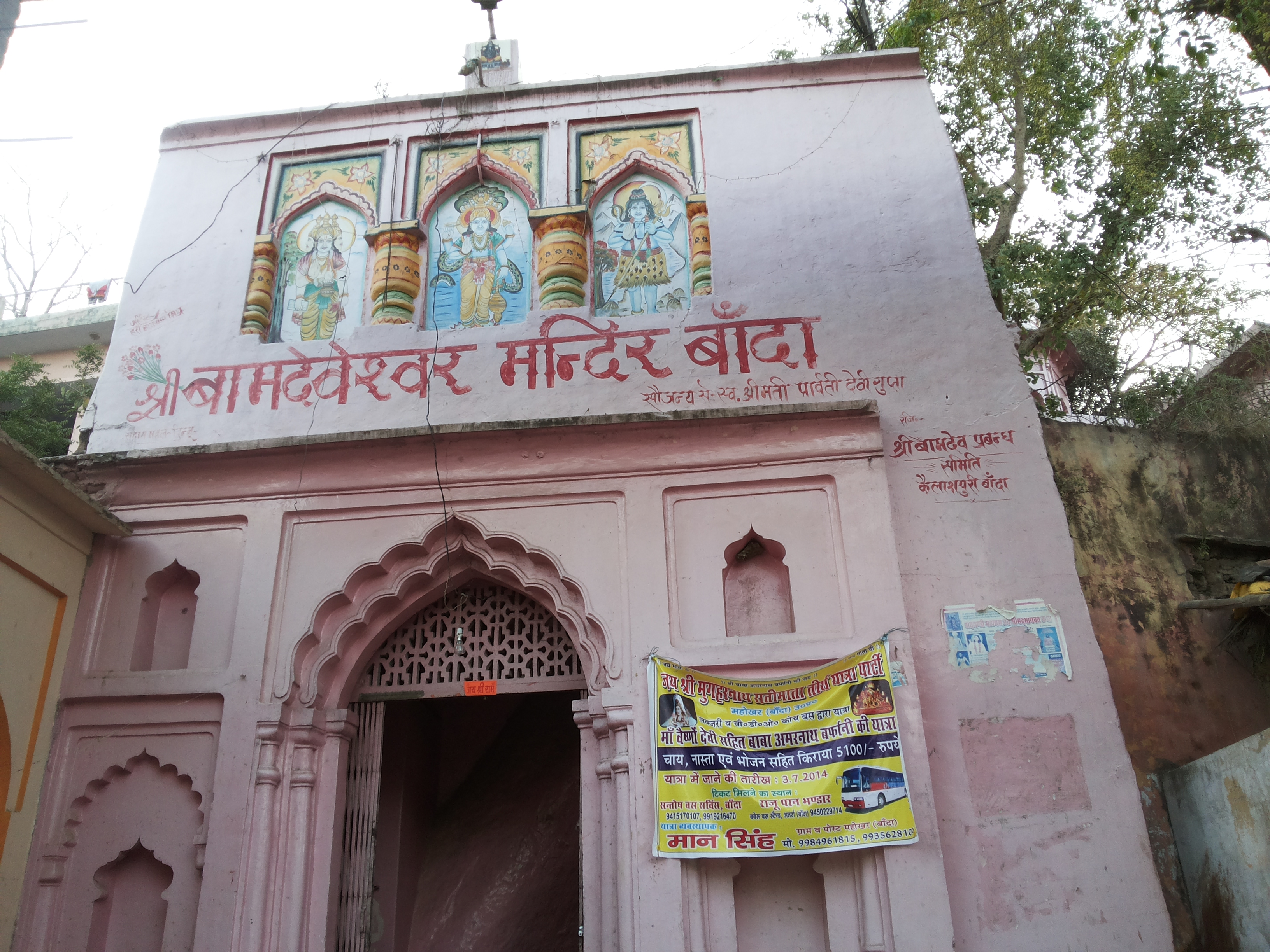
In the dusty heart of Uttar Pradesh, the city of Banda has claimed an unenviable title: the world's hottest city. On a sweltering day in late April, temperatures soared to a staggering 46.2°C, outstripping every other city on the planet.
This unprecedented spike is not merely a local anomaly. It is part of a broader trend across India, where all of the top 50 hottest cities were found. The interior heat belt, stretching through Uttar Pradesh, Madhya Pradesh, Maharashtra, and Rajasthan, is experiencing an early and intense bout of summer heat.
Climate experts attribute this rise in temperatures to a combination of factors. Rapid urbanisation and industrialisation have exacerbated the urban heat island effect, while deforestation and the loss of green cover have further intensified the situation. Furthermore, global climate change continues to push mercury levels higher, with India bearing a significant brunt.
For the residents of Banda, enduring these extreme conditions has become a grim reality. Water shortages are commonplace, and the relentless heat disrupts daily life, affecting everything from work productivity to health. Vulnerable groups, especially the elderly and children, are most at risk, prompting local authorities to issue advisories and initiate relief measures.
Global Implications
The situation in Banda is a stark reminder of the urgent need to address climate change on both local and global scales. As temperatures continue to rise, so too does the urgency for sustainable development policies and climate resilience planning. India, with its vast population and diverse geography, faces a formidable challenge in balancing economic growth with environmental sustainability.
As Banda grapples with its scorching reality, it serves as a harbinger for many other regions across the globe. The story of this small city in Uttar Pradesh is a microcosm of a global challenge that demands immediate attention and action.