Bareilly Teachers' Fodder Collection Order Sparks Outrage
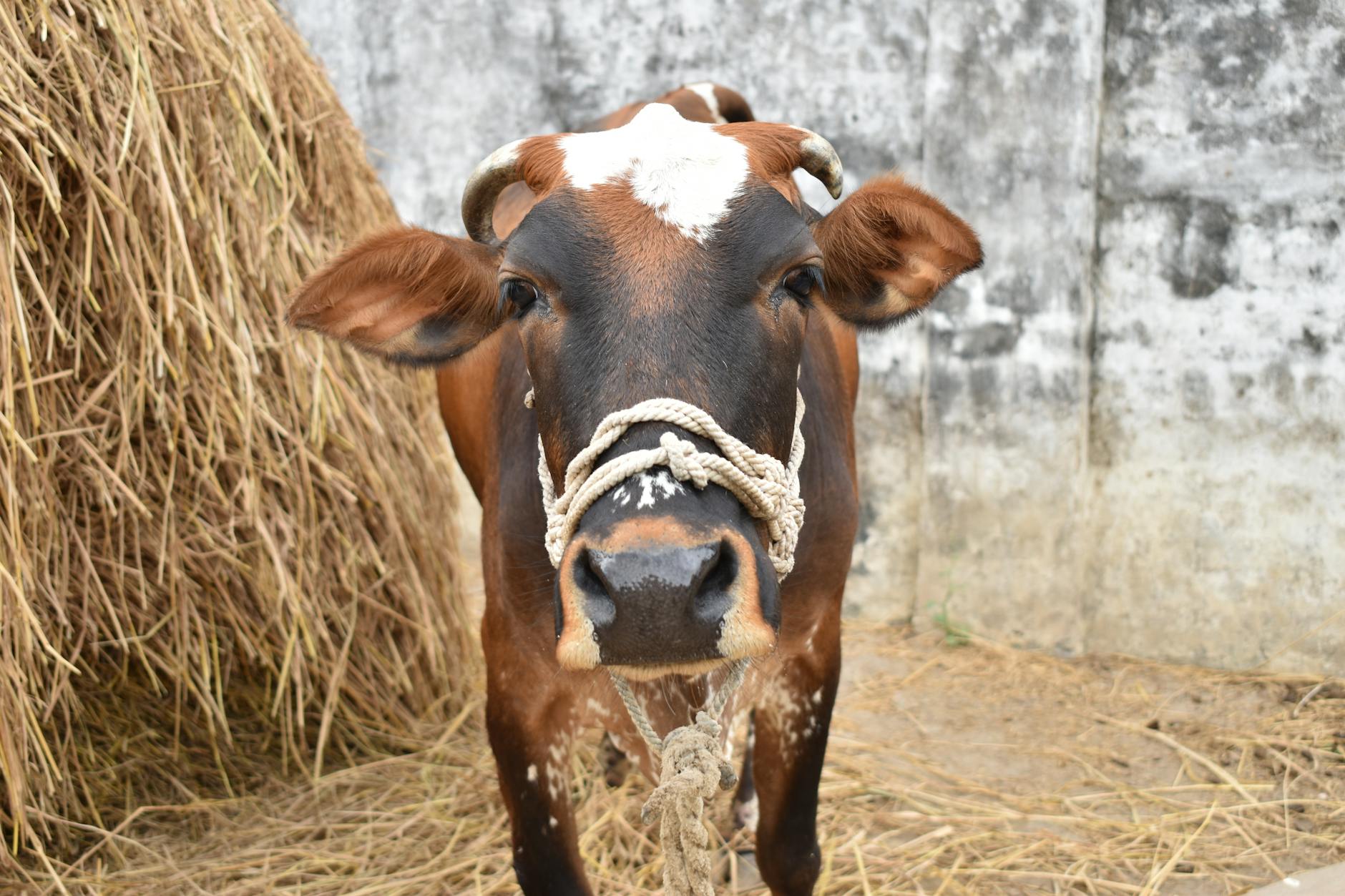
In the heartland of Uttar Pradesh, an eyebrow-raising directive has thrust Bareilly's education officers into an unexpected role. Ordered to collect 1,500 quintals of straw for stray cattle, Block Education Officers (BEOs) find themselves grappling with a task far removed from their educational mandate.
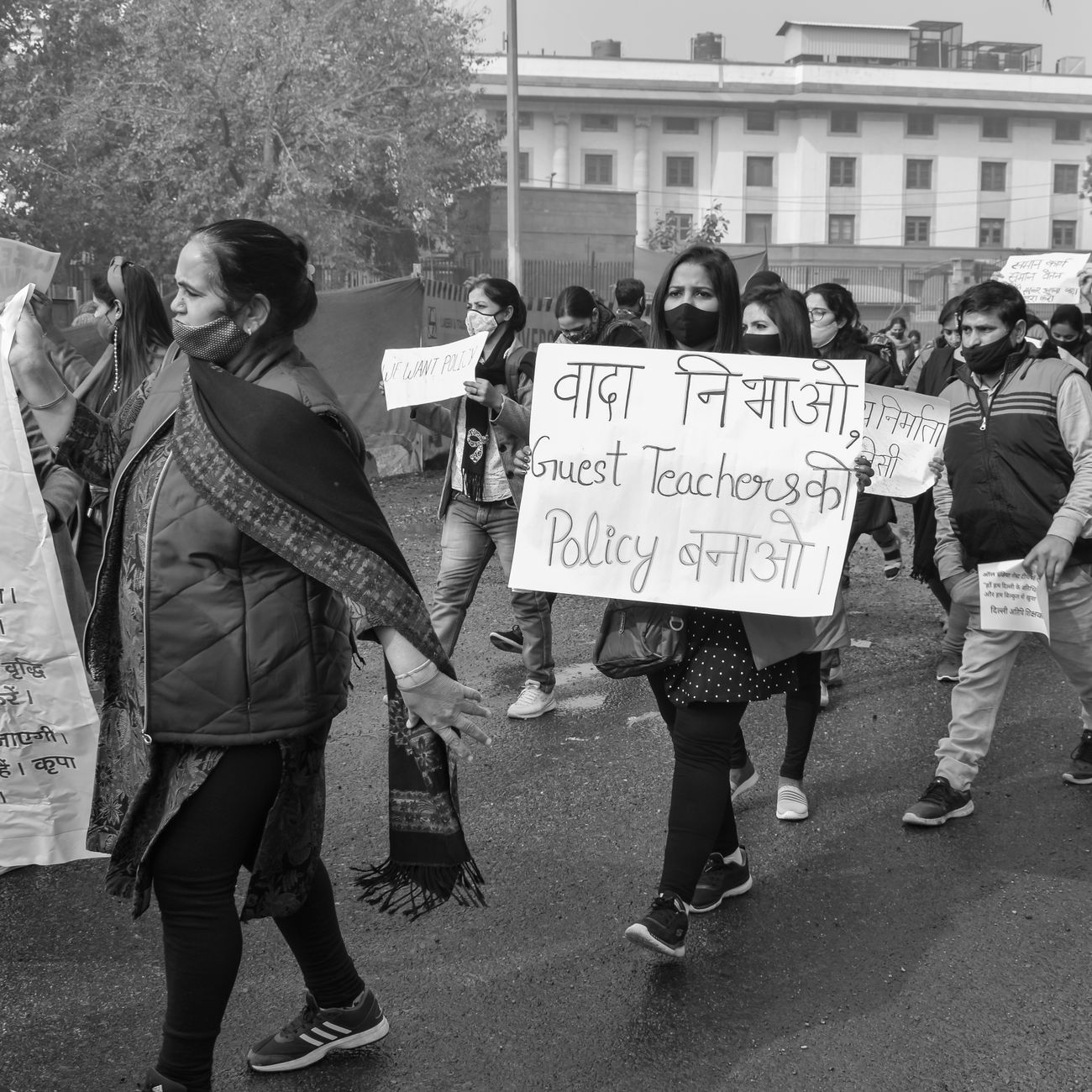
The instruction, issued by Basic Shiksha Adhikari (BSA), aims to support local cow shelters, yet it has ignited a storm of protest among educators. "Our primary role is to enhance the quality of education, not source fodder," remarked one disgruntled officer, echoing the sentiments of many.
Education or Agriculture?
The directive, emerging amidst ongoing challenges in the education sector, has been criticised for diverting attention from pressing educational needs. Teachers and officials argue that such tasks detract from their core responsibilities, especially when the education system is crying out for reform and investment.
While the local administration defends the order as a necessary response to an immediate need, critics say it highlights a troubling misalignment of priorities. "We're being asked to play farmer when we should be focusing on teaching," said another education officer, requesting anonymity.
Public Response
The public's reaction has been equally vocal. Parents and community leaders have expressed concern that the education of their children is being sidelined. "If teachers are busy with straw, who will teach our children?" asked a worried parent.
The scenario paints a broader picture of the challenges faced by educators in rural India, where resources are often stretched thin and responsibilities blur. The directive, while well-intentioned, seems to underscore a systemic issue where education is frequently placed on the back burner.
As the controversy lingers, it remains to be seen whether the Bareilly administration will reconsider its approach. For now, educators continue to balance their dual roles, hoping for a resolution that honours their primary commitment to teaching.