Bengal's Uneven Development: Agriculture Thrives as Infrastructure Falters
In a state known for its rich cultural heritage and vibrant history, West Bengal now presents a tale of two halves. A report titled 'State of India's Environment 2026: In Figures' has thrown light on the stark contrasts in the state’s development indices. While agriculture and health sectors have seen commendable advancements, environmental management and infrastructure tell a different story.
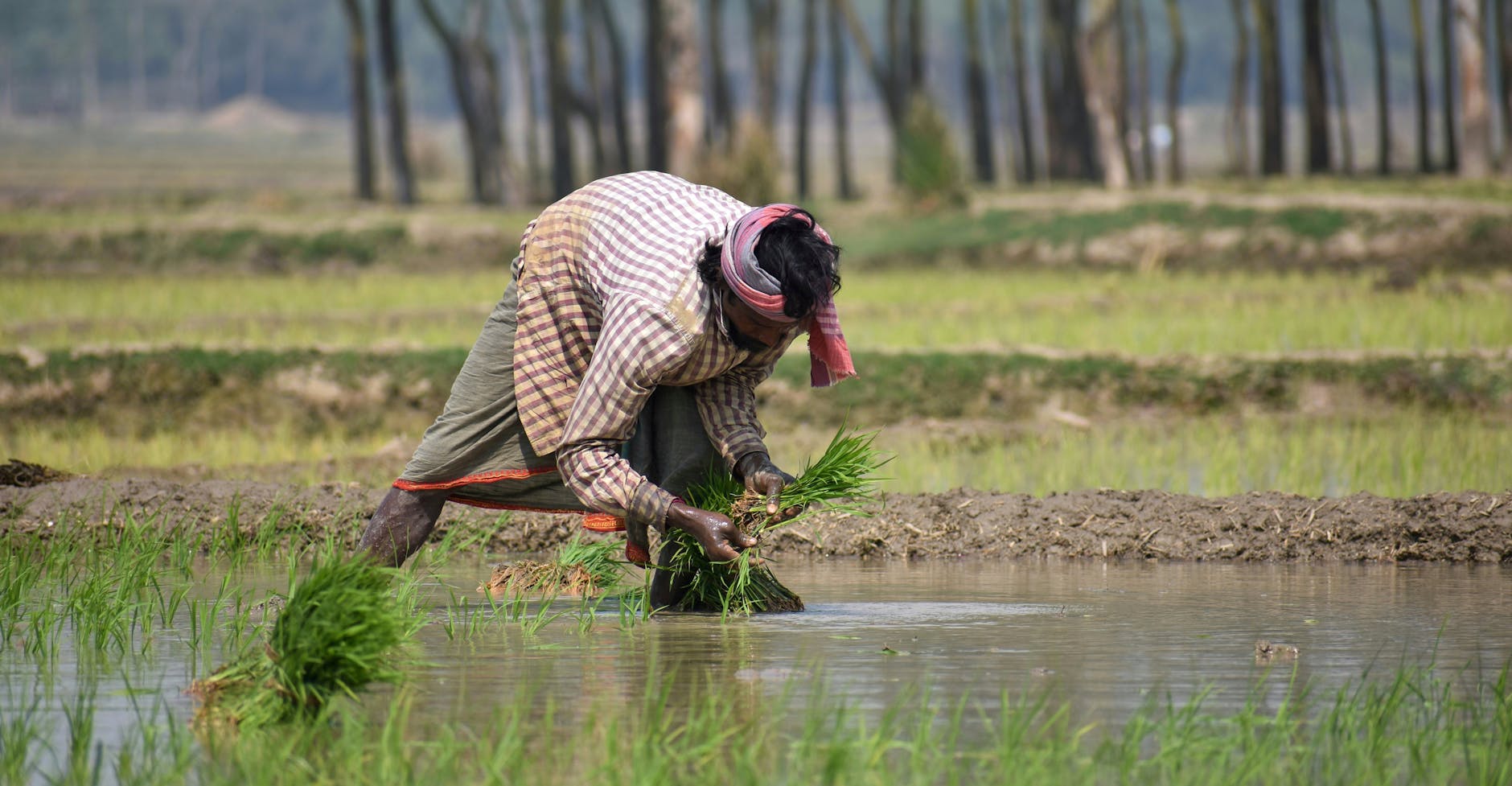
The report, compiled by the Centre for Science and Environment (CSE), positions Bengal at a respectable sixth place nationwide in agriculture and land use. The state has made significant strides in crop production and land management, contributing positively to its agrarian economy. However, the story veers off course when one inspects the environmental and infrastructural frontiers.
Environmental Concerns
Despite its agricultural success, Bengal has scored poorly in environmental management, placing it towards the lower end of the rankings. The state's challenges in this area are manifold, including industrial pollution, deforestation, and inadequate waste management systems. These issues are compounded by a growing urban population, which places additional strain on natural resources.
Experts argue that without serious intervention, Bengal's environmental degradation could offset its agricultural gains. The state must prioritise sustainable practices to ensure long-term ecological balance and economic stability.
Infrastructure: An Achilles' Heel
Equally concerning is West Bengal’s position in public infrastructure, where it languishes near the bottom. The lack of robust infrastructure is a significant impediment to the state’s overall development. It affects everything from healthcare delivery to educational access, hindering human development indices.
The report highlights undernutrition and low female workforce participation as key issues, exacerbated by inadequate public facilities. Improving infrastructure is crucial for Bengal to harness its full economic potential and improve the quality of life for its residents.
In conclusion, while West Bengal can take pride in its agricultural and health accomplishments, the pressing need for a balanced approach to development cannot be overstated. By addressing the environmental and infrastructural deficiencies, the state could pave the way for holistic growth, ensuring prosperity that is as equitable as it is sustainable.