Bengaluru Business Corridor: A New Chapter in Urban Planning
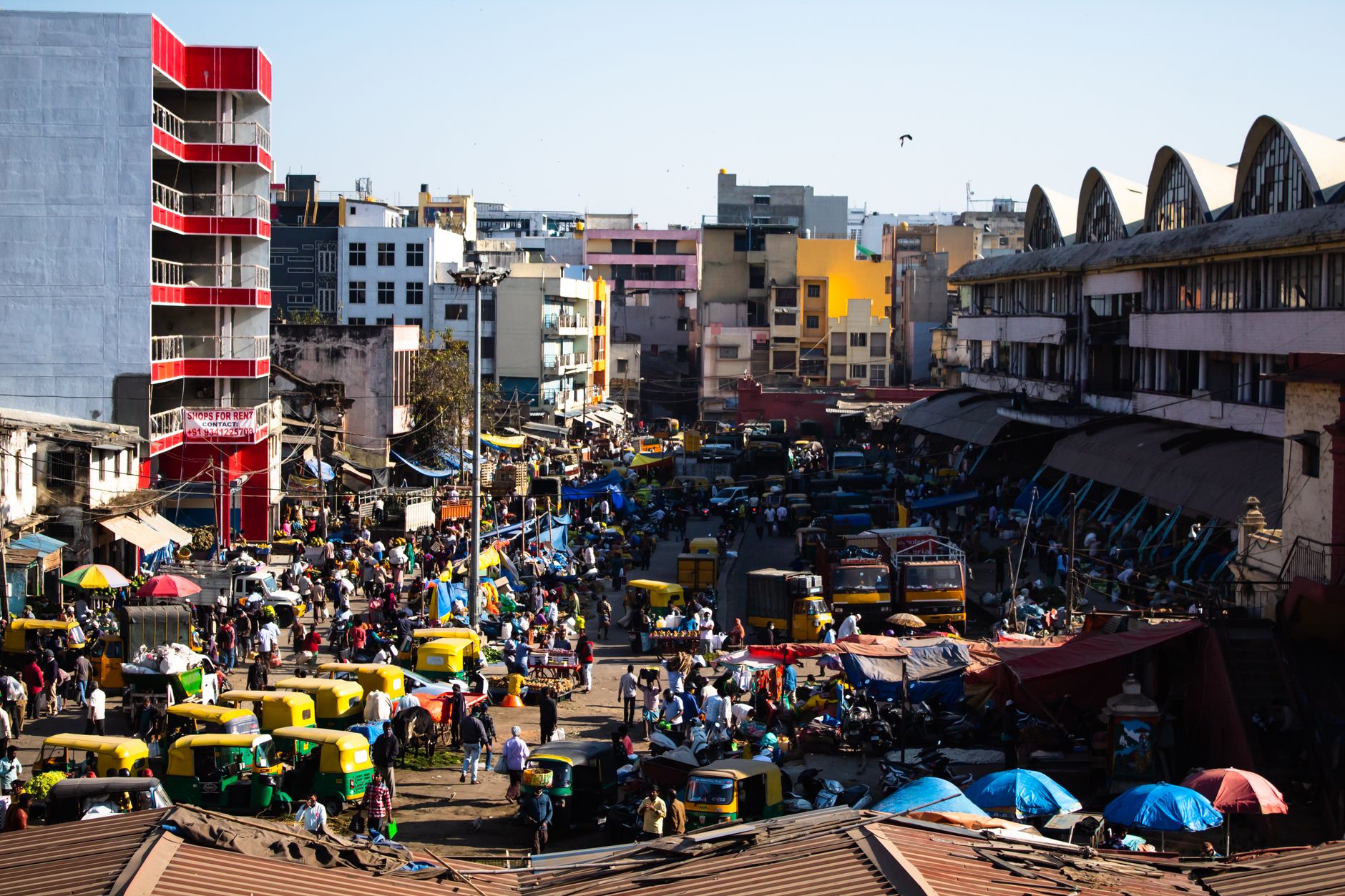
In a city renowned for its traffic snarls, the Bengaluru Business Corridor project is nothing short of a beacon of hope. The Bangalore Development Authority (BDA) has finally decided to breathe new life into this ambitious project after nearly two decades of dormancy. The revised plan, which has just been put to tender, promises not only to reshape the city's periphery but also to alleviate the chronic congestion for which Bengaluru is notorious.
A Legacy of Delays
Originally conceived in 2007, the vision for a 73-kilometre, 100-metre-wide expressway has languished in planning purgatory. Dogged by land acquisition hurdles and shifting governmental priorities, the project had seemingly become a footnote in the annals of urban planning. However, under the new proposal, the corridor will take on a more compact form, akin to the Bengaluru–Mysuru Expressway, but no less ambitious in its scope.
The revised design scales down the corridor to a 52-km stretch, strategically streamlined to maximise efficiency while minimising land acquisition disputes. This is particularly pertinent as the original plan had faced significant resistance from landowners, affecting a major portion of its proposed path.
Innovative Compensation Strategy
One of the pivotal elements of the new plan is its innovative approach to land compensation. The BDA has introduced creative compensation options to appease the 1,900 families that will be affected by the project. This move aims to expedite the acquisition process and mitigate the socio-economic impacts on displaced families. The strategy is seen as a progressive step towards balancing urban development with social responsibility.
With the Karnataka government's approval firmly in place, the corridor's completion is anticipated to cut the city's traffic burden by 40%. This potential reduction in congestion could herald a new era of urban mobility, making daily commutes less of a Herculean task for the city's residents.
The Road Ahead
As Bengaluru braces for this transformation, the focus will inevitably be on the BDA's ability to execute the project efficiently. The success of the Bengaluru Business Corridor could well serve as a template for other burgeoning Indian cities grappling with similar urban challenges. Yet, for now, the city watches with bated breath, hopeful that this time, the execution will match the ambition.