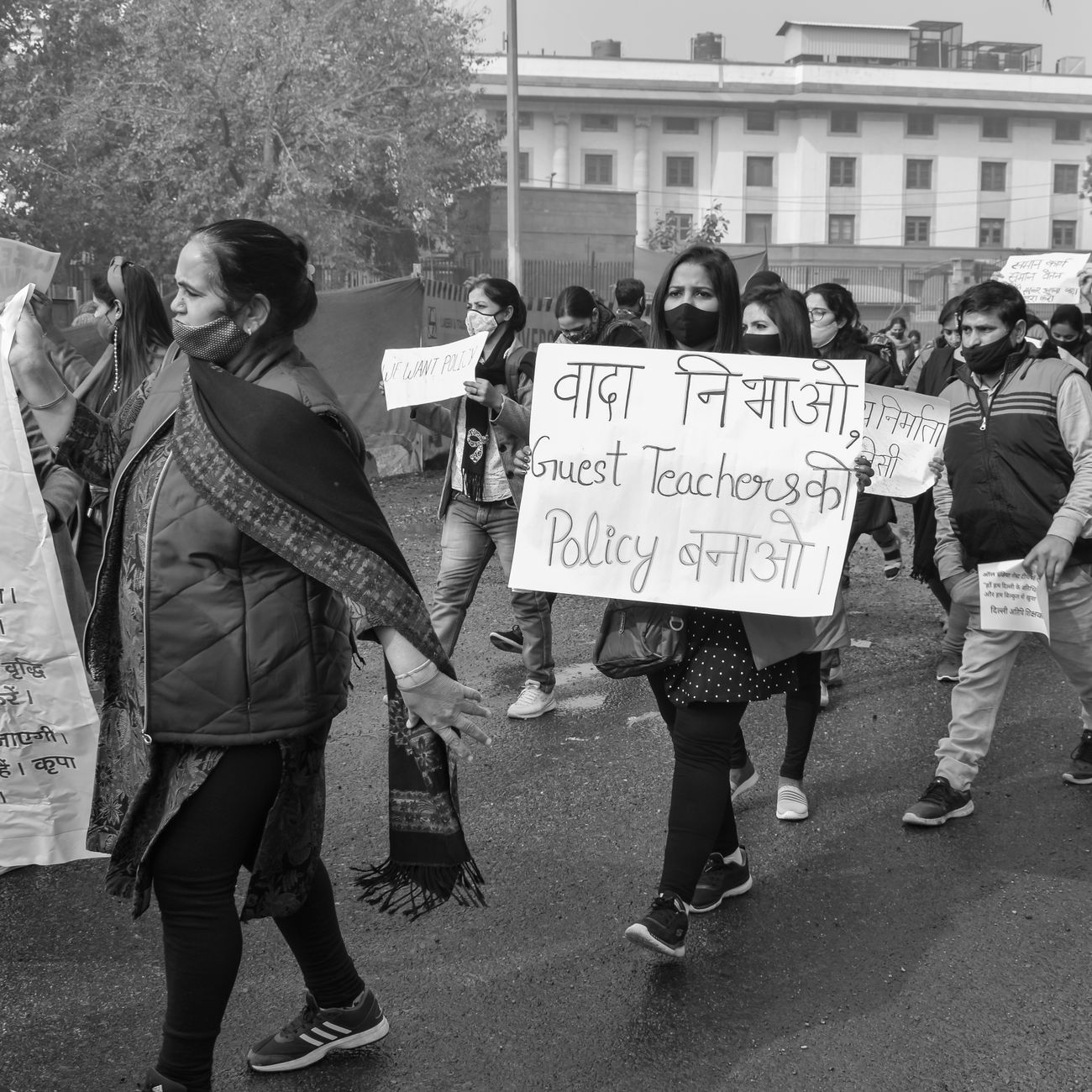
Bengaluru Students Challenge India's Education Priorities
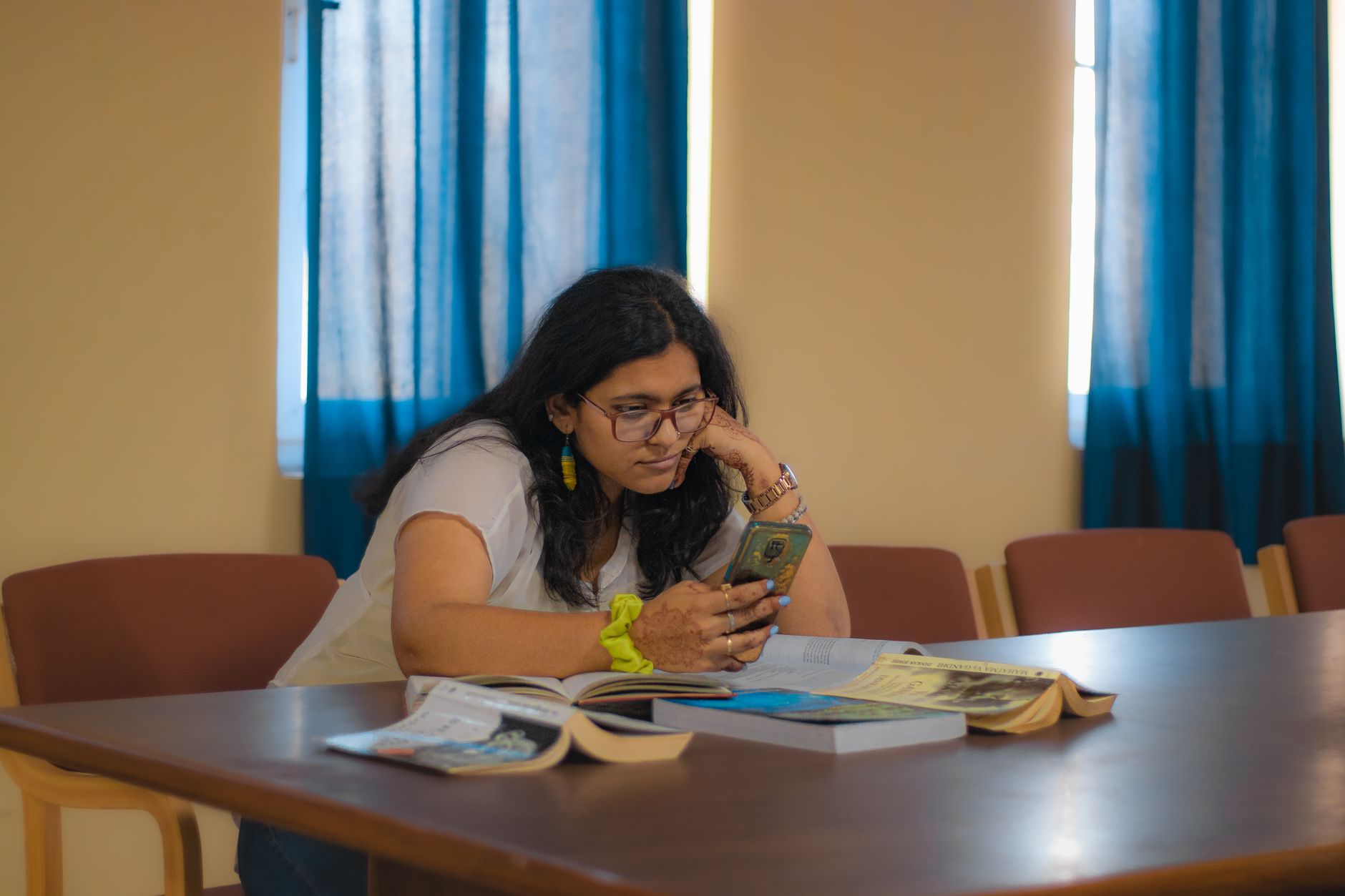
In the bustling tech hub of Bengaluru, a new wave of student activism is taking shape, challenging the long-held belief that a university degree is the ultimate key to success. Students are increasingly questioning whether the traditional path of academia truly equips them for the demands of today's ever-evolving job market.
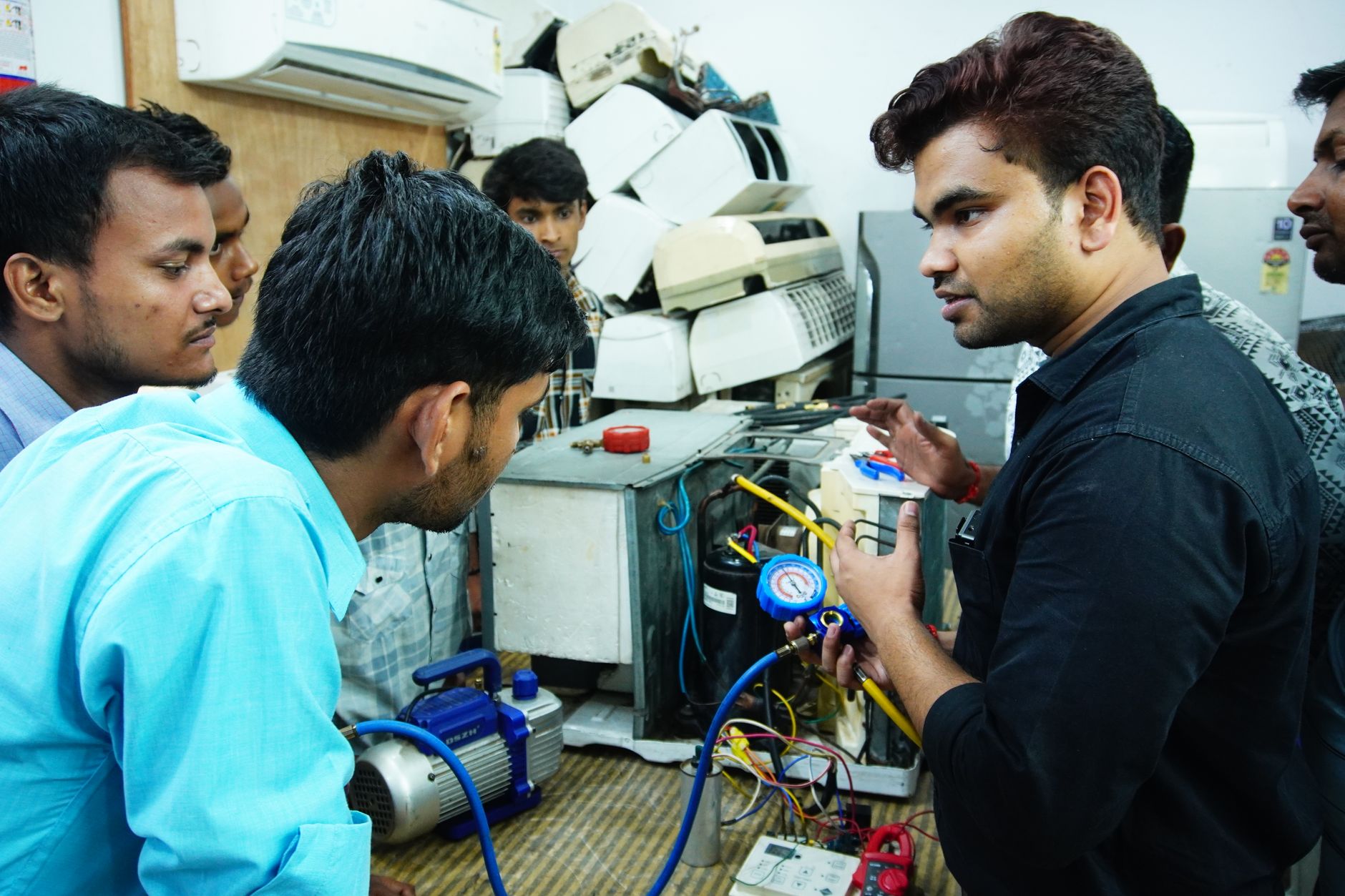
Once considered the pinnacle of educational attainment, degrees are now being weighed against the practical skills they offer, or rather, the lack thereof. With the rise of digital industries and the gig economy, there's a growing sentiment that hands-on skills and adaptability are what truly matter in securing employment.
The Changing Job Market
India's job market is undergoing a transformation, driven by technology and innovation. Employers are no longer merely seeking candidates with impressive academic credentials; they are on the hunt for individuals who can demonstrate problem-solving abilities and practical know-how.
This shift is particularly pronounced in sectors like IT, where programming skills, analytics, and experience with cutting-edge technologies often outweigh a pristine academic record. This has left many students pondering whether their time in lecture halls is as valuable as it once seemed.
Implications for India's Education System
The questions raised by Bengaluru's students are part of a broader national conversation about the purpose and effectiveness of India's education system. Critics argue that the current system is overly focused on rote learning and memorisation, which does little to prepare students for real-world challenges.
Reforms are being called for, with suggestions to integrate more skill-based learning and internships into curriculums. As India seeks to position itself as a global leader in innovation, the need to adapt its education system to produce graduates who are both knowledgeable and skilled is becoming increasingly urgent.
As the debate continues, one thing is clear: the future of education in India may well depend on how effectively it can bridge the gap between academic knowledge and practical skills.