Bikaner's Maternal Health Crisis Lacks a Singular Explanation
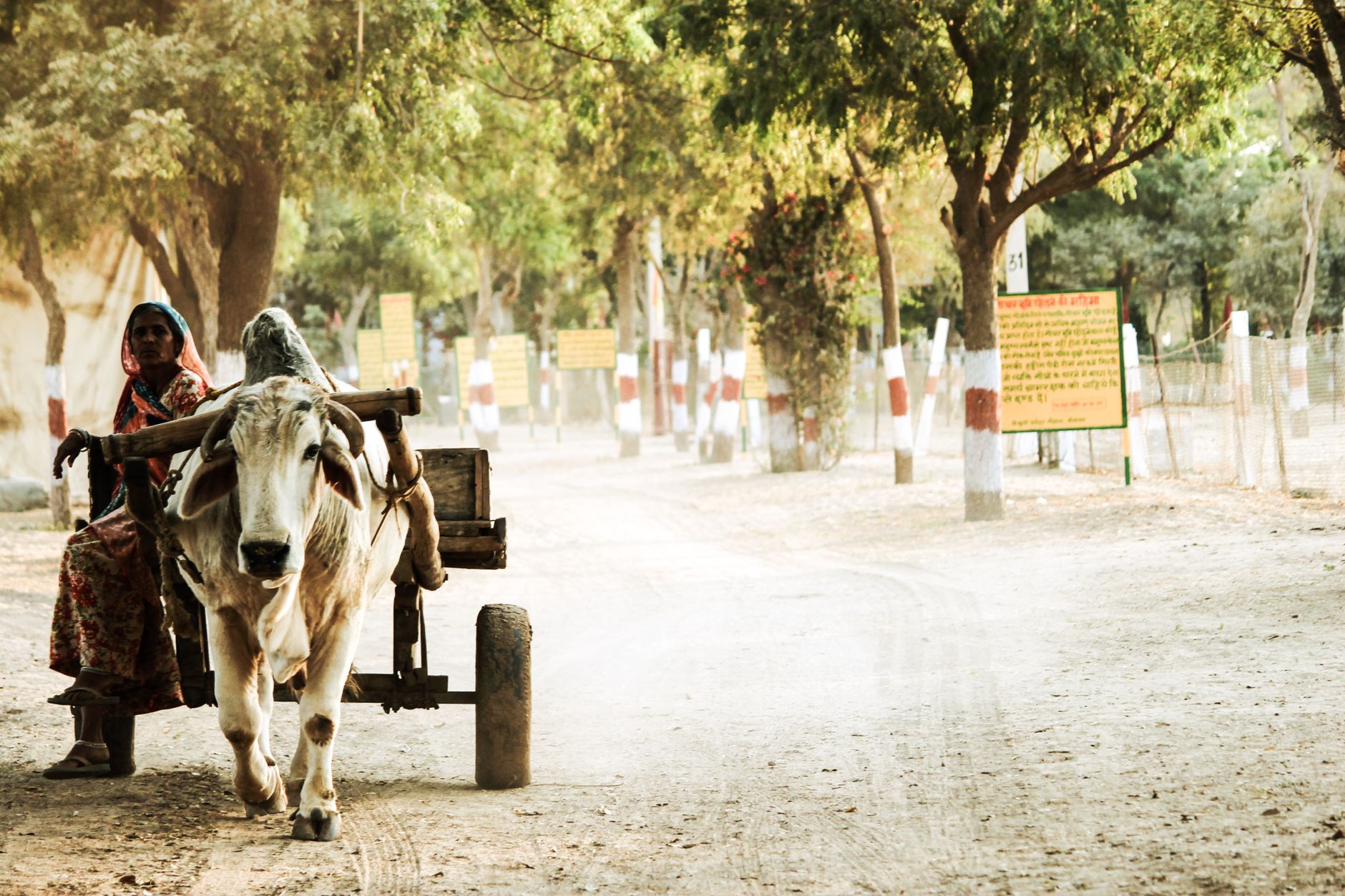
In the heart of Rajasthan, Bikaner is grappling with a maternal health predicament that defies easy categorisation. Recent investigations have revealed a crisis that lacks a singular cause or consistent pattern. This comes amidst rising concerns over maternal health across the state, yet officials maintain these are isolated incidents.
Rajasthan Health Minister Gajendra Singh Khimsar, speaking to NDTV, has been firm in his assertion that the maternal health issues in Bikaner, Kota, and Jodhpur do not form a coherent statewide crisis. 'Each case is independent and should be considered on its own merits,' he stated, keen to dispel notions of systemic failure.
The complexities surrounding maternal health are manifold. Factors range from socio-economic conditions to access to healthcare, and each region presents its own unique challenges. In Bikaner, healthcare infrastructure struggles to meet the needs of an expanding population, a problem exacerbated by limited resources and personnel.
Challenges in Healthcare Access
The lack of a definitive pattern in Bikaner's maternal health crisis highlights the difficulties in addressing systemic healthcare issues. Rural areas, in particular, face hurdles such as inadequate transportation, which severely limits access to timely and adequate medical care.
Furthermore, cultural barriers and a lack of education about maternal health exacerbate the situation. Many women are unable to seek the help they need due to societal norms or misinformation about available services. Minister Khimsar's insistence on isolated cases must also be seen in light of these broader socio-cultural dynamics.
Need for a Nuanced Approach
Experts argue that understanding the crisis requires more than just identifying symptoms; it demands a comprehensive approach that addresses underlying causes. This means improving infrastructure, increasing healthcare funding, and launching educational initiatives to raise awareness about maternal health.
While the minister's stance might seem reassuring to some, it is clear that the road to resolving Bikaner's maternal health issues is paved with complexities that require careful and sustained attention. Only by acknowledging and addressing these multifaceted challenges can there be hope for meaningful improvement.