Birds in Ukraine Craft Nests from Military Fibre-Optic Cables
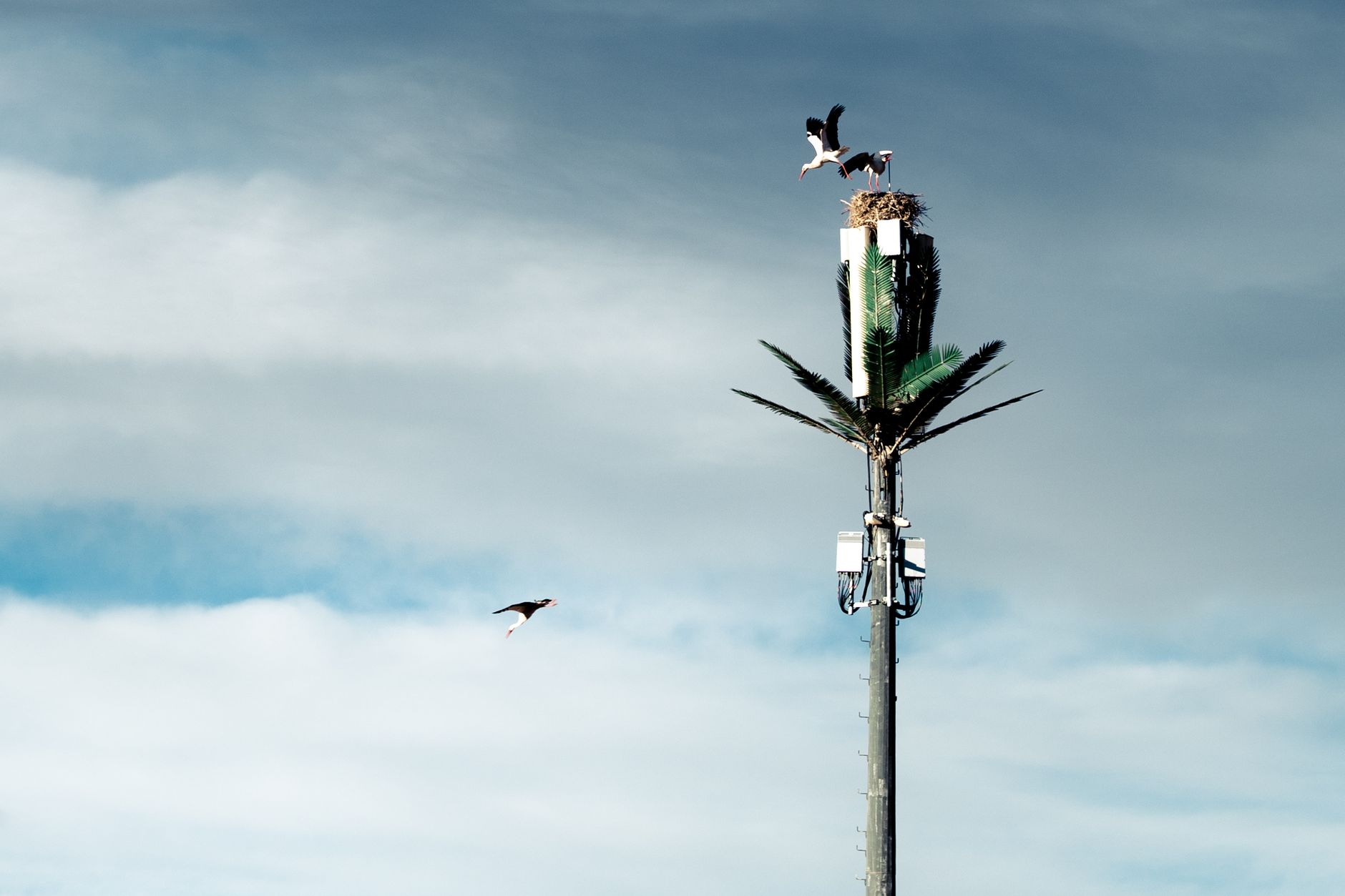
In a striking testament to nature's resilience, birds in Ukraine have been observed constructing nests using discarded military fibre-optic cables. These cables, initially intended to guide drones amidst the electronic warfare between Russian and Ukrainian forces, are now serving a peculiar new purpose.
The nests, an eclectic mix of traditional twigs and the ultrathin cables, stand as poignant symbols of how war reshapes the environment. This phenomenon highlights the unintended consequences of modern military technology, as once vital battlefield assets become part of the natural habitat.
Technological Warfare's Unseen Legacy
The use of fibre-optic cables in military operations is designed to ensure communications remain unscathed by electronic jamming. Both sides in the conflict have adopted these cables to maintain control over drones, crucial for reconnaissance and targeted strikes. However, the environmental footprint of this technology is becoming increasingly apparent as these remnants litter the landscape.
Ukraine's 1,200-kilometer front line is now a tapestry interwoven with these fibres, reflecting a new kind of ecological alteration. Birds, ever adapting, have incorporated these materials into their nests, a vivid illustration of life adapting to adversity.
An Unintended Habitat
While the immediate strategic benefits of fibre-optic cables are clear, their lasting environmental impact is less understood. The fact that wildlife is now utilising these materials signals a broader ecological shift. It raises questions about the long-term effects of military detritus on ecosystems and the unforeseen ways in which nature adapts.
As the conflict continues to evolve, so too does the landscape. The birds' nests serve as a reminder of the resilience of life amidst the harshest of circumstances, and the intricate ways in which nature and human activity are entwined.