BrahMos Missile: India's Quest for Hypersonic Dominance
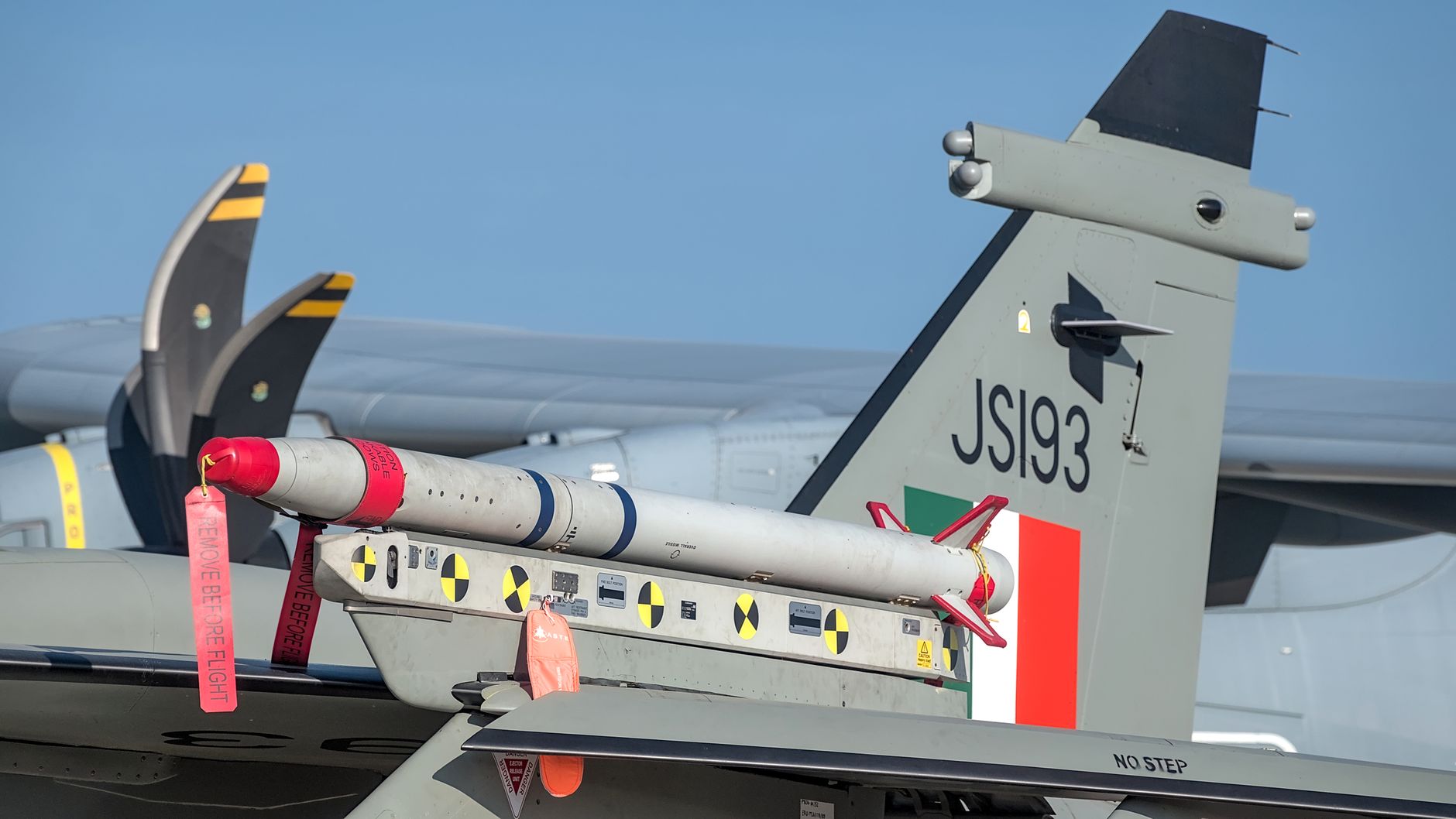
In the annals of defence technology, the BrahMos missile holds a formidable place. Celebrating its 25th anniversary, this Indo-Russian collaboration is not merely a relic of its time but a dynamic force that's shaping future warfare strategies. As BrahMos Aerospace eyes the horizon, the focus is on hypersonic capabilities, promising a quantum leap in missile technology.
Since India joined the Missile Technology Control Regime (MTCR) in 2016, the BrahMos missile has seen enhancements that extend its range and precision. What once struck targets at 290 kilometres now reaches 450 kilometres, with future iterations aiming for 800 kilometres and beyond. This evolution reflects India's strategic intent to conduct standoff precision strikes, a crucial component of modern warfare.
Towards Hypersonic Horizons
The development of the BrahMos-II, based on Russia's 3M22 Zircon, represents India’s ambitious leap towards hypersonic technology. This next-generation missile is expected to travel at speeds exceeding Mach 5, presenting a formidable challenge to missile defence systems worldwide. Atul Rane, CEO of BrahMos Aerospace, has highlighted the potential of this technology to redefine India's defence posture.
Former President APJ Abdul Kalam's vision for a robust cruise missile programme laid the groundwork for these advancements. His foresight and Dr A Sivathanu Pillai's leadership have catalysed innovations that now place India at the vanguard of missile technology.
A Strategic Arsenal
BrahMos' extended range capabilities significantly bolster India's ability to neutralise strategic targets from afar. Integrated with other indigenous systems like the Pralay tactical ballistic missile and the Nirbhay subsonic cruise missile, BrahMos forms the backbone of a potential Integrated Rocket Force. This concept, under active consideration, could transform India's defence strategy, offering a comprehensive deterrent against adversaries.
As the BrahMos missile programme looks to the future, its journey is emblematic of India's broader aspirations. It is not merely about extending reach or speed; it's about asserting technological independence and strategic sovereignty.