Brain Wars: Neuralink's Implants vs BrainCo's Wearables

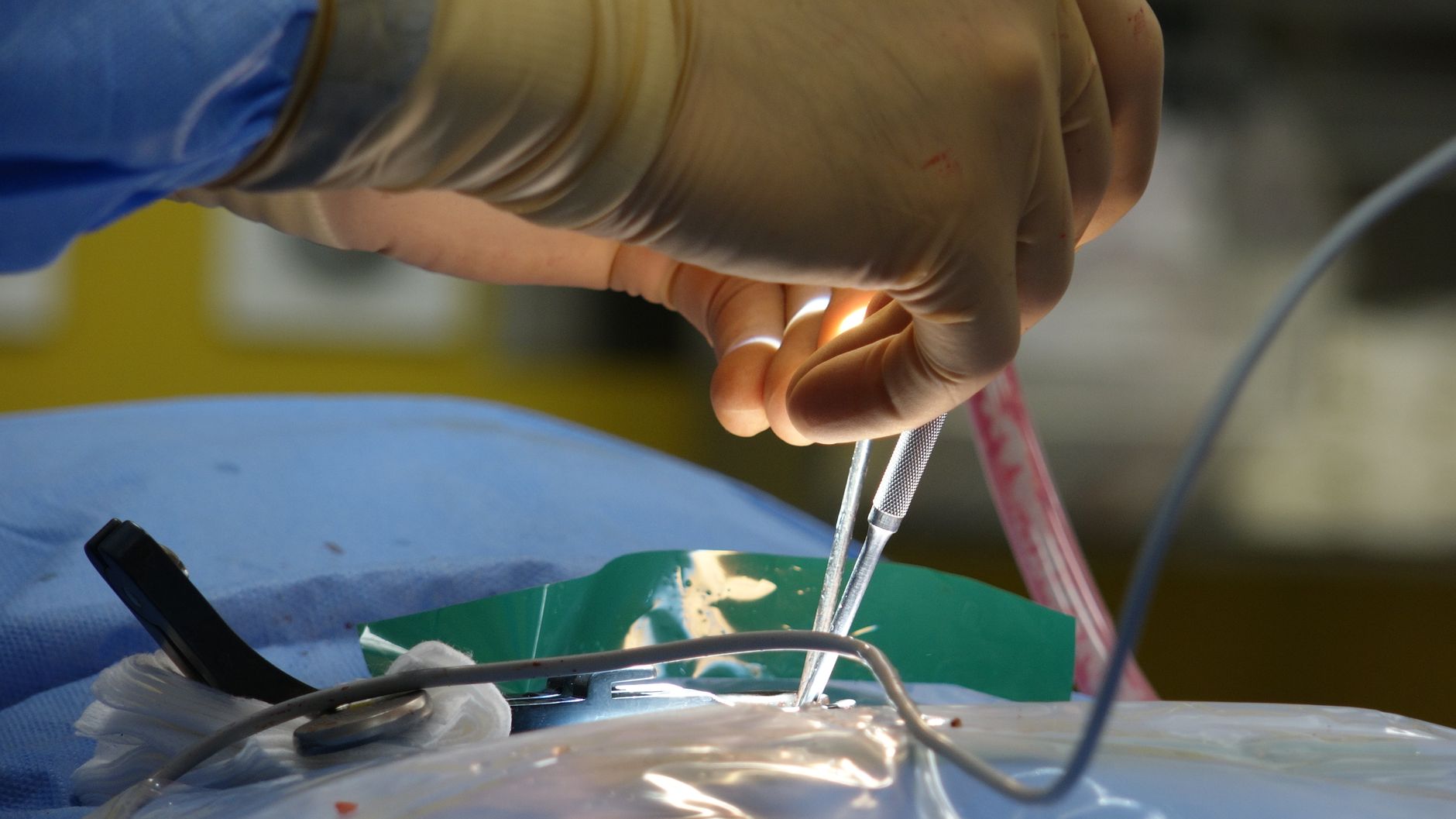
Elon Musk's latest venture, Neuralink, has captured the imagination of tech enthusiasts worldwide by venturing into the realm of direct brain-machine interfaces. The company recently made headlines with a demonstration involving pigs, showcasing its progress in implant technology that drills into the human skull. This audacious approach aims to establish a seamless connection between the human brain and computers, potentially revolutionising the way we interact with technology.
Across the Pacific, however, a quieter but equally ambitious project is unfolding. BrainCo, a Chinese company, is betting on the future of brain technology with wearables. Unlike Neuralink's invasive implants, BrainCo's devices sit comfortably atop the user's head, measuring brain activity without the need for surgery. This non-invasive method offers a more accessible entry point for those hesitant about having their skulls drilled.
The Diverging Paths of Brain Tech
Neuralink's approach is not without its challenges. The process involves penetrating the dura mater, a tough protective membrane beneath the skull, a procedure that, despite being minimally invasive, carries inherent risks. Yet, Musk's involvement and the futuristic promise of a direct mind-machine interface have propelled Neuralink's profile to staggering heights.
In stark contrast, BrainCo has chosen a path that prioritises user comfort and convenience. Their wearable technology, already in use in various educational and professional settings, focuses on enhancing cognitive abilities and concentration through real-time brainwave analysis. By opting for a non-invasive solution, BrainCo aims to democratise access to brain-enhancing technology.
The Implications of Technological Choices
The debate between invasive and non-invasive brain technology is not merely academic. It touches on profound questions about the future of human augmentation. Neuralink's vision, if realised, could lead to unprecedented advancements in medical treatments, potentially curing neurological disorders and even facilitating telepathic communication. However, the prospect of drilling into patients' skulls raises ethical and safety concerns that cannot be ignored.
Meanwhile, BrainCo's wearables, while less dramatic, offer immediate applications in daily life, from improving focus to monitoring mental health. The company's strategy reflects a pragmatic approach, one that seeks to integrate seamlessly into the existing technological ecosystem.
As these two giants of brain technology chart their courses, the world watches with bated breath. Whether the future lies in wearable devices or embedded implants remains to be seen, but one thing is certain: the race is on, and the stakes are nothing short of transformative.