Bridging the Healthcare Gap: India's Rural-Urban Divide
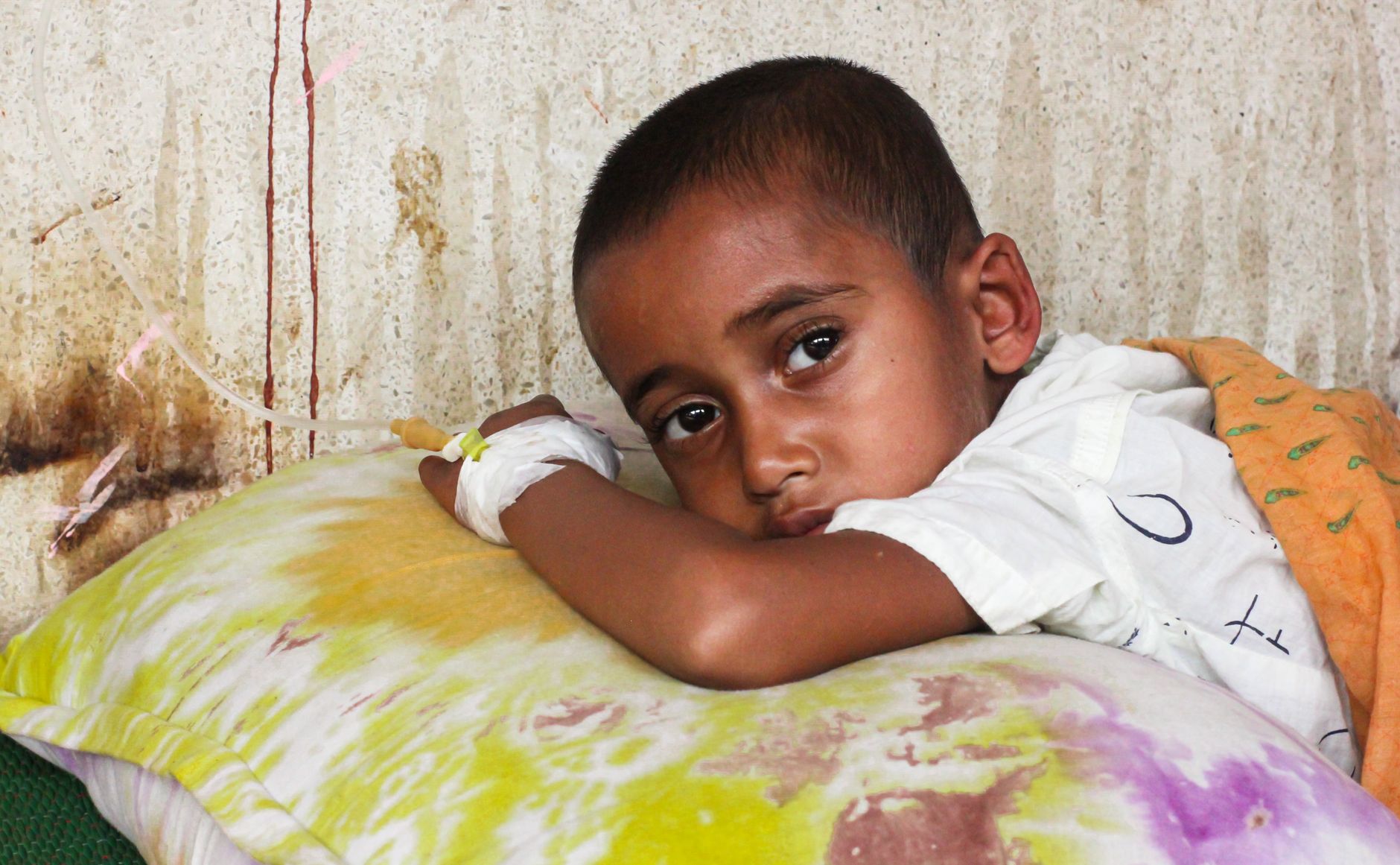
The bustling streets of Mumbai and Delhi echo with the chatter of hurried pedestrians, and the skyline is adorned with towering hospitals flaunting cutting-edge technology. Yet, venture a few hundred kilometres away, and one encounters a starkly different reality: the rural heartland of India, where healthcare is a luxury, not a given.
India's rural-urban health divide is a tale of two worlds. In rural regions, where over half the population resides, medical facilities are often rudimentary. Clinics are few and far between, and qualified doctors are a rarity. This disparity is not merely a matter of geography but one of socio-economic neglect.
Structural Challenges and Economic Constraints
At the core of this disparity lies a web of structural challenges. Rural India grapples with poverty, which exacerbates health issues. For many families, a single medical emergency can spiral into financial ruin. The lack of adequate health financing at the regional level compounds these woes, with states like Uttar Pradesh and Bihar struggling to allocate sufficient resources to healthcare.
The agrarian economy of rural India further complicates matters. The cyclical nature of agricultural income means that health expenses often take a backseat. In Gujarat's taluks, where agriculture is a primary livelihood, the correlation between poverty and health is glaring. Without regular income, healthcare becomes an intermittent concern, attended to only when critical.
Impact on Well-being and Economic Growth
The repercussions of this divide are profound. Poor health inhibits productivity, keeping families trapped in a cycle of poverty. It also stifles economic growth, as a healthy workforce is pivotal to any thriving economy. Moreover, the unequal distribution of healthcare services fosters a sense of disenfranchisement among rural populations, further widening the socio-economic chasm.
Addressing this divide requires a multi-faceted approach. Policy interventions must focus on improving healthcare infrastructure and accessibility in rural areas. Enhanced health financing, coupled with community-based health programmes, can empower rural populations. Bridging this gap is not just about equity; it is about fostering a healthier, more inclusive India.