Broken Promises: South Africa's Coal Belt Suffers Health Crisis
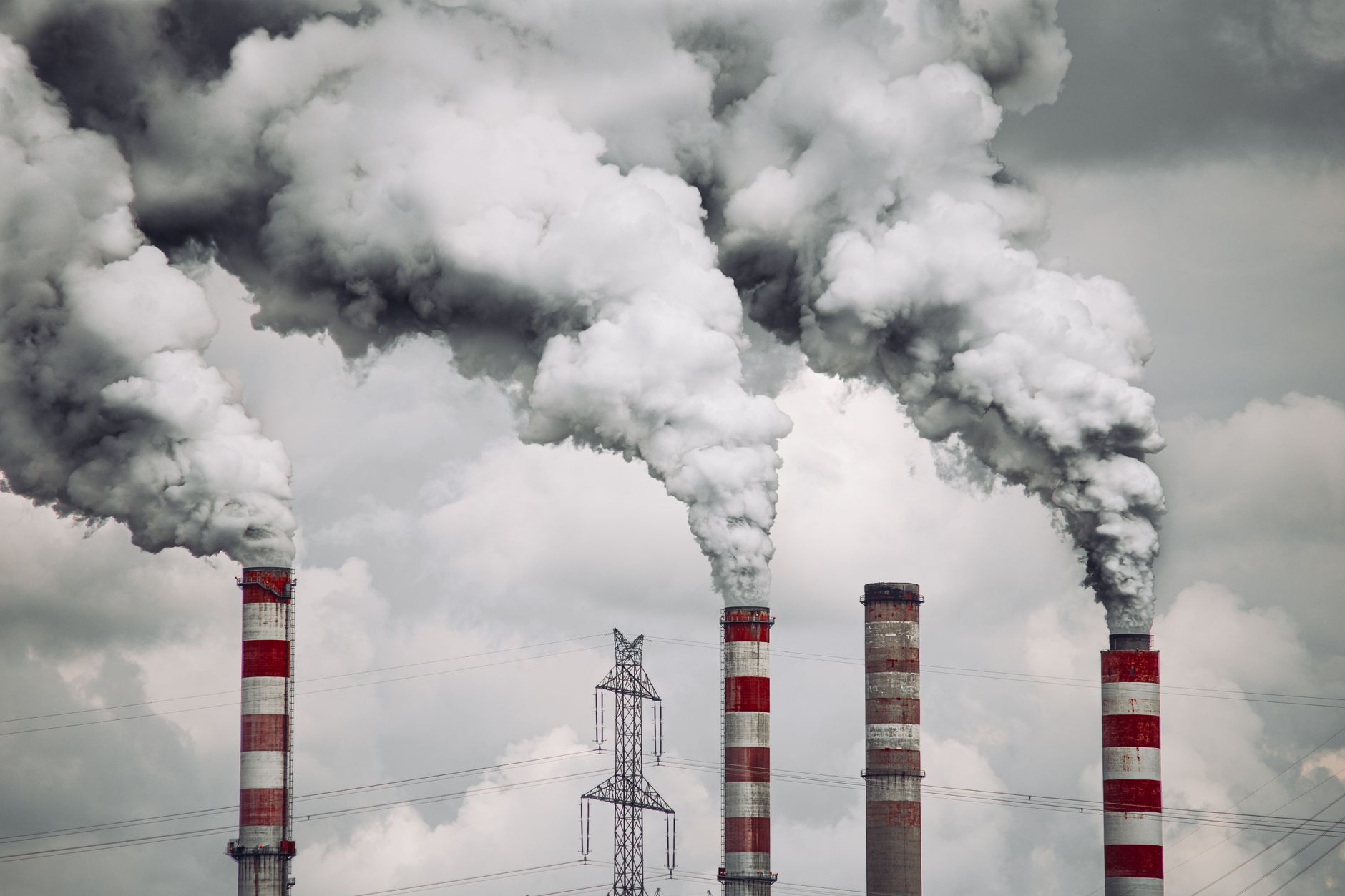
In the heart of South Africa’s coal belt, the air hangs heavy with the soot of broken promises. For years, residents have been assured of cleaner air, yet the reality remains a choking haze. The coal-fired power stations that dot the landscape produce more than half of the country’s electricity, but at a grave cost to public health.
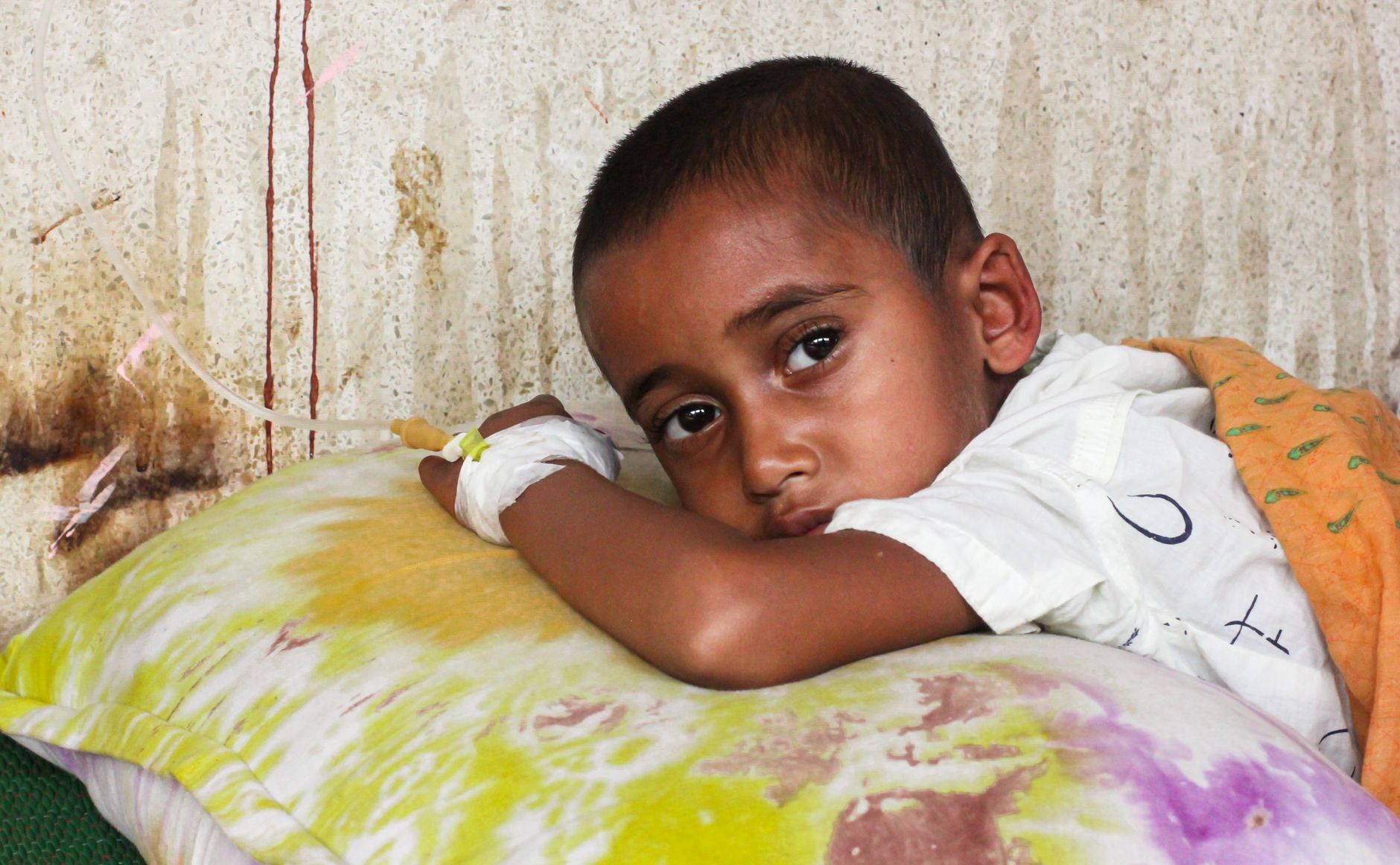
For families living in the shadow of these industrial giants, respiratory ailments are an unwelcome norm. Asthma, bronchitis, and other pollution-related conditions afflict adults and children alike, turning everyday life into a struggle for breath. The irony is stark: while coal keeps the lights on for millions, it dims the prospects of those who call this region home.
International pressure has mounted on South Africa to transition to cleaner energy. However, the economic reality is daunting. Coal not only fuels the nation but also employs 90,000 people, making it a politically sensitive issue. Moreover, Europe's recent return to coal in the face of a gas crisis only complicates the narrative of environmental responsibility.
The closure of the Komati power station, after decades of service, signals a potential shift. Yet, many residents remain sceptical, fearing that without significant investment in clean energy infrastructure, such actions are merely symbolic.
The government is caught in a difficult balancing act, trying to appease international critics while maintaining domestic stability. As debates rage on, the air in the coal belt remains a tangible reminder of the cost of inaction.
The health of South Africa's coal belt residents hangs in the balance, as promises of cleaner air continue to evaporate into the ether. What remains is a pressing need for a sustainable solution that honours both the environment and the livelihoods of those who depend on it.