Can Hibernation Propel Humans to Mars?
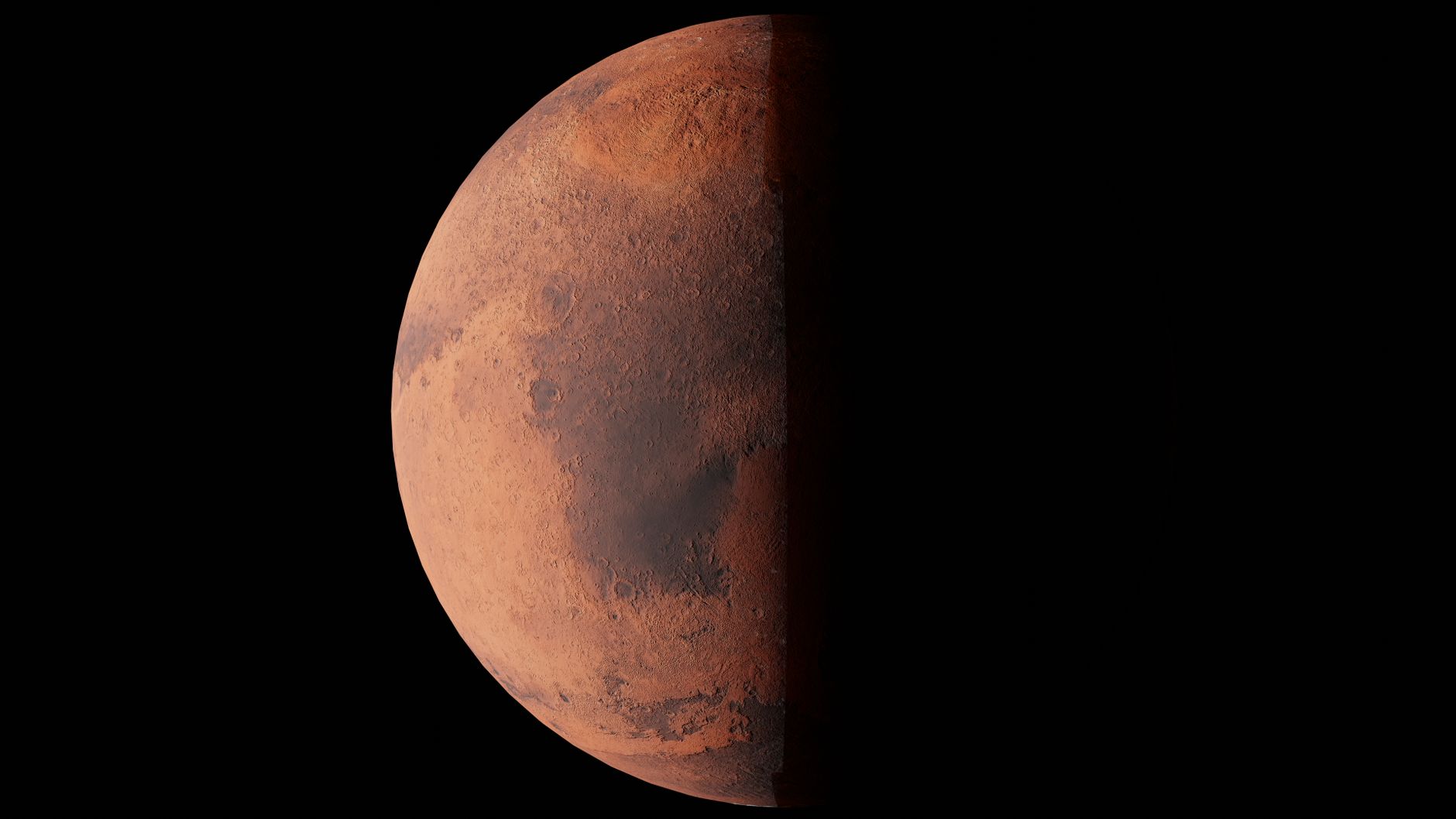
Astronauts embarking on the perilous journey to Mars may one day find solace in the ancient biological mystery of hibernation. As scientists toil in laboratories across the globe, the dream of sending humans to the Red Planet becomes increasingly plausible through the prospect of induced torpor.
Though the concept seems plucked from the pages of a science fiction novel, the European Space Agency (ESA) is leading the charge in investigating how hibernation could revolutionise space travel. By placing astronauts into a state akin to hibernation, researchers hope to address the formidable challenges posed by long-duration missions.
The Science of Sleep
Animals have long captivated scientists with their ability to endure harsh winters through hibernation, drastically slowing their metabolism, heart rate, and body temperature. Emulating this biological feat in humans could transform the logistics of space travel. Theoretically, a crew in hibernation would require fewer life-support resources, thus reducing the spacecraft's size by a third and cutting mission costs.
ESA's proposed design includes hibernation pods, where astronauts would be placed in torpor for the majority of their journey. This state of reduced physiological activity might not only conserve resources but also protect astronauts from the psychological toll of isolation and confinement.
Challenges and Prospects
Despite the allure, human hibernation is fraught with scientific and ethical hurdles. The physiological impact of long-term torpor remains uncertain, and the technology to safely induce and reverse this state is still in its infancy. Moreover, ethical considerations regarding the well-being and safety of astronauts persist.
Nevertheless, the potential benefits are significant. With NASA and other space agencies aiming for human exploration of Mars within the next two decades, the race is on to refine this technique. If successful, hibernation could become a cornerstone of humanity's interplanetary future, enabling us to reach Mars and, perhaps one day, even further.