Cattle Markets Thrive Amid Bakrid Festivities Despite Surging Prices
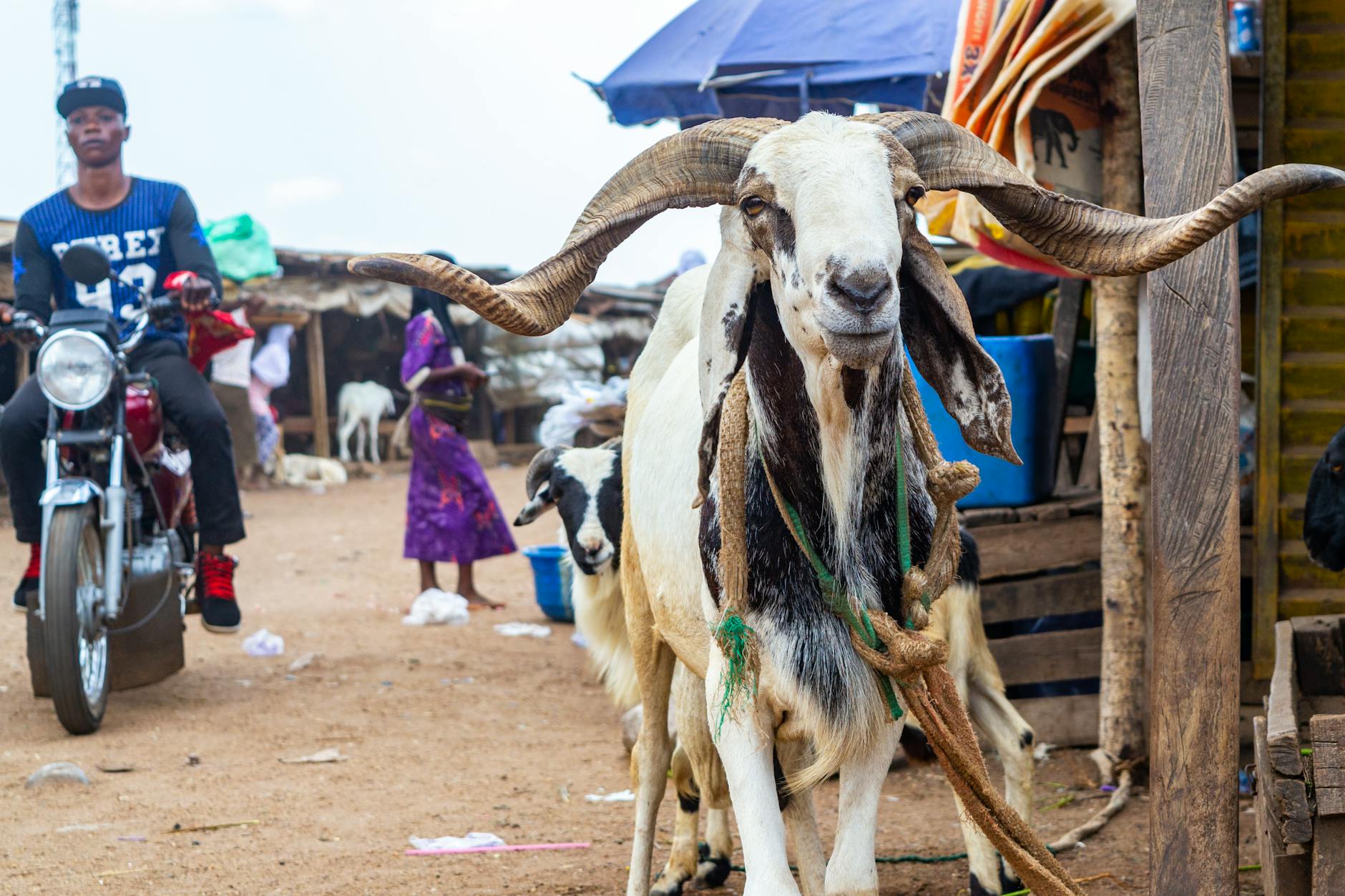
As the anticipation of Bakrid looms over the country, bustling activity returns to the cattle markets. In Melappalayam, Tirunelveli, traders have been reporting brisk business, with sales peaking just days before the festival. Despite the surge in goat prices—reported to have increased by 20% to 40%—markets are abuzz with the annual pre-Bakrid rush.
Bakrid, or Eid-ul-Adha, is a time of profound cultural and religious significance for Muslims worldwide. It commemorates the willingness of Ibrahim to sacrifice his son as an act of obedience to God, and it is marked by the sacrifice of animals, typically goats or sheep, as a symbolic gesture. Consequently, the weeks leading up to the festival see livestock markets across India spring to life with traders and buyers negotiating fervently.
However, this year, the economic reality is biting harder than usual. Many middle-class families find themselves grappling with the financial demands of purchasing sacrificial animals amidst inflated prices. "It's a tradition we uphold, regardless of the cost," says Ahmed, a local resident, while inspecting a goat at the market. "But this year, it's certainly more challenging."
Markets, particularly in regions like Pune and Sangam City, have reported a similar trend. Despite logistical hurdles and regulatory changes that initially dampened business, the palpable excitement in the air is undeniable. Traders, while acknowledging the pressures, remain optimistic. "People always find a way to celebrate Bakrid," says Rafiq, a seasoned trader at the market. "The spirit of the festival drives us all."
As Bakrid approaches, the fervour in these markets serves as a testament to the enduring traditions and cultural fabric that define the celebration. The sights and sounds of bustling cattle markets are as intrinsic to the festival as the rituals themselves, reminding us of the deep-rooted heritage that continues to thrive even amidst modern challenges.