CBSE's Language Policy Controversy: Educational Experiment or Necessary Reform?

"Are we turning our children into experimental subjects?" This provocative question encapsulates the heated debate surrounding the Central Board of Secondary Education's (CBSE) recent policy change. The three-language policy, now compulsory for Class 9 students, requires them to study a trio of languages, with at least two being native Indian tongues.
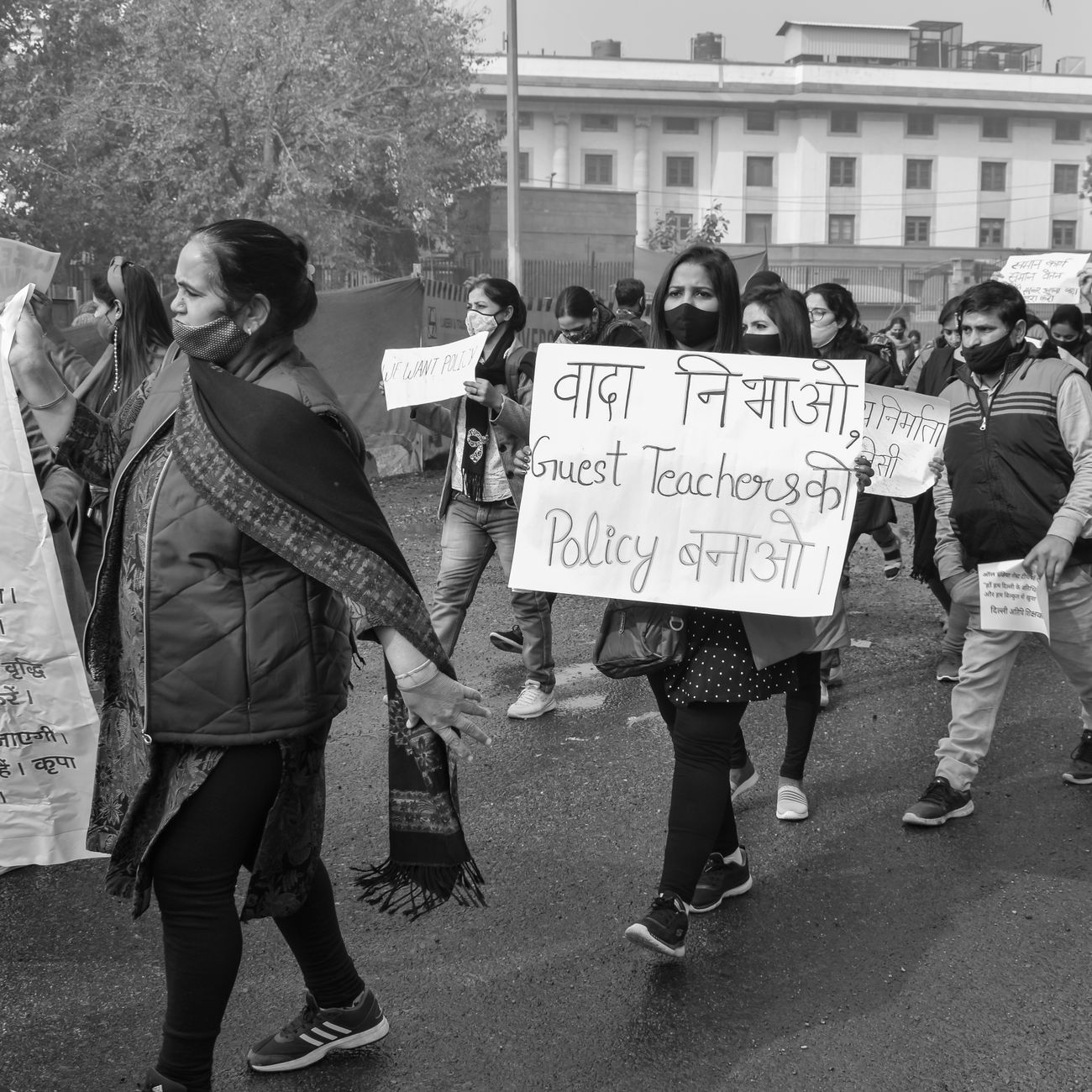
Proponents of the policy argue that it is a significant step towards fostering linguistic unity in a country as diverse as India. They believe it could bridge cultural gaps and enhance cognitive development among students. However, critics are not convinced. Many educators and parents worry about the feasibility of such a policy amidst a glaring shortage of qualified language teachers.
Resource Strain or Cultural Gain?
The policy's introduction has been met with mixed reactions. On one hand, it aims to promote multilingualism, a skill increasingly valued in the global job market. On the other hand, the implementation challenges are difficult to ignore. Schools, particularly in rural areas, are already grappling with limited resources. Adding new language teachers to the payroll could strain their budgets further.
Moreover, students and parents are concerned about the added academic pressure. "We are not against learning languages," says Anjali Kumar, a parent from Delhi, "but the current system seems unprepared for such a shift. The focus should be on quality, not quantity."
A Step Towards Inclusivity?
Supporters argue that the policy is a stride towards inclusivity, acknowledging India's rich linguistic heritage. "It's about time we embraced our cultural diversity," notes Dr. Rajesh Mehta, an educationist. "This policy encourages students to appreciate their heritage, which is often overshadowed by the dominance of English."
Yet, sceptics remain firm. Without a robust framework for teacher training and curriculum development, they argue, the policy could falter. The debate underscores a broader question: how does India balance modern educational demands with its cultural roots?
As the dialogue continues, the CBSE's three-language policy serves as a microcosm of India's educational challenges—caught at the intersection of tradition and modernity.