Centre Clarifies: No E20 Petrol Offer to Bhutan, Claims Dismissed
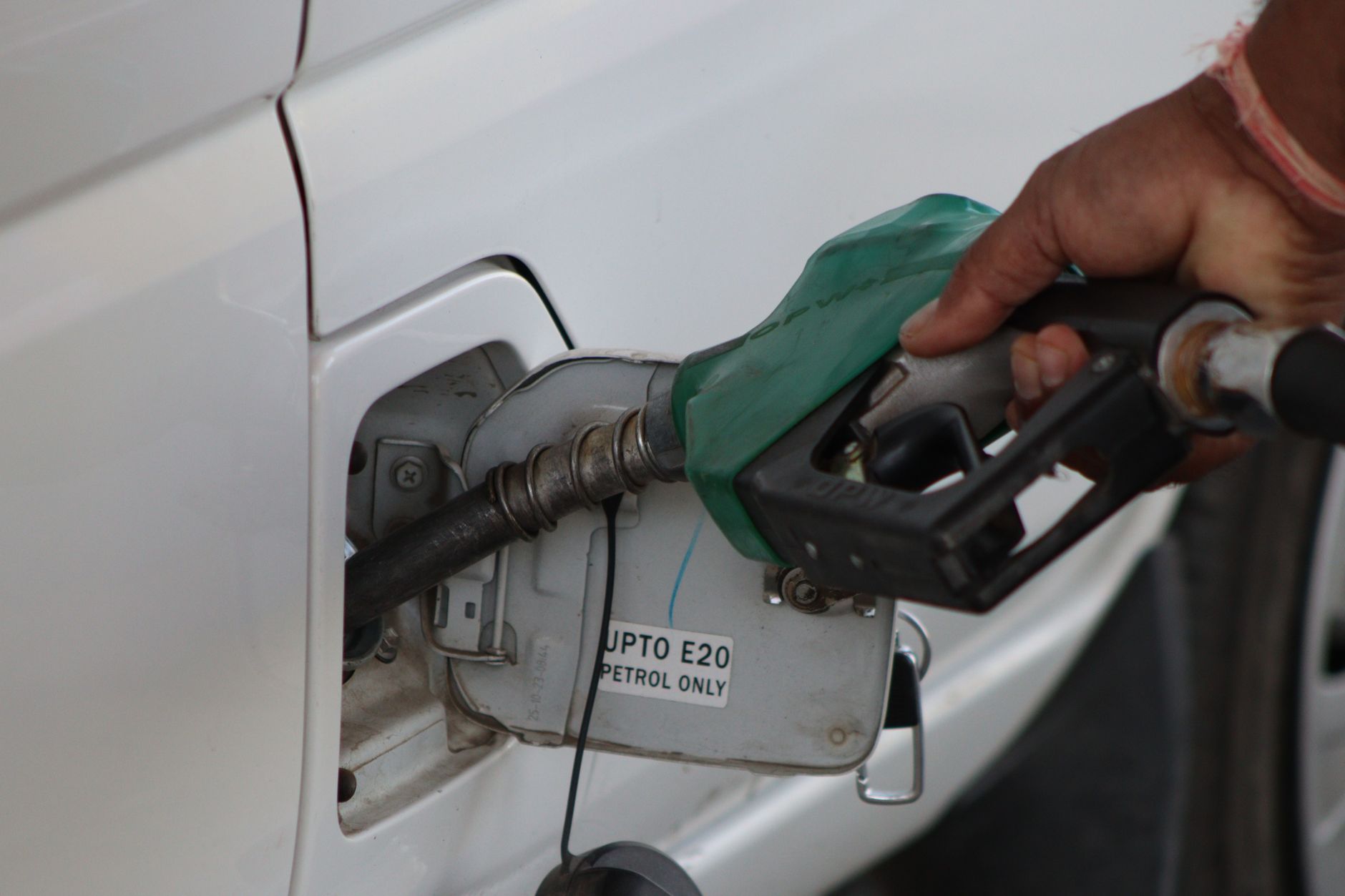
In an era where misinformation can spread like wildfire, the Indian government has stepped forward to quash the latest rumour on the international front. No offer to export E20 petrol to Bhutan was ever made, clarified the Ministry of Petroleum and Natural Gas. The assertion comes amidst claims that Bhutan had allegedly rejected an Indian proposal to import the ethanol-blended fuel.
The Ministry's statement was unequivocal. 'No such offer has been made by the Oil Marketing Companies (OMCs), and there is no proposal for export of E20 petrol to Bhutan,' it declared. This clarification aims to put an end to the speculations that have been circulating in some quarters.
India's Ethanol Ambitions
India's push for E20 petrol—a blend of 20% ethanol and 80% petrol—is part of a broader strategy to reduce carbon emissions and cut down on its reliance on imported crude oil. The initiative has been in the works for some time, with extensive testing conducted to ensure the fuel's reliability and performance in various conditions.
However, the rollout has not been without its sceptics. Concerns have been raised domestically about the compatibility of E20 with existing vehicles and the readiness of infrastructure to support the blend. Despite these challenges, the government remains committed to its ethanol blending programme, seeing it as a crucial step towards a more sustainable energy future.
The Curious Case of the Non-Offer
While the exact origins of the rumour remain unclear, it serves as a reminder of the complexities involved in international fuel trade and diplomacy. The Centre's swift response underscores the importance of maintaining clarity and accuracy in such matters, especially when national energy strategies are involved.
As for Bhutan, the small Himalayan kingdom has its own energy policies and priorities. While it shares a cordial relationship with India, particularly in the energy sector, there is no indication that it was approached with an E20 offer, nor that it declined one.
In a world where energy resources are increasingly becoming a topic of strategic importance, such incidents highlight the need for transparent communication. As India continues to forge its path towards greener energy, ensuring factual reporting and clear governmental communication will be key in managing both domestic and international perceptions.