ChatGPT's Health Ambitions: A Digital Doctor in Your Pocket?
Every week, a staggering 230 million people turn to ChatGPT for health advice, transforming the AI platform into an unlikely linchpin of digital healthcare. From deciphering baffling lab results to untangling insurance conundrums, this virtual assistant is stepping into roles traditionally held by medical professionals.
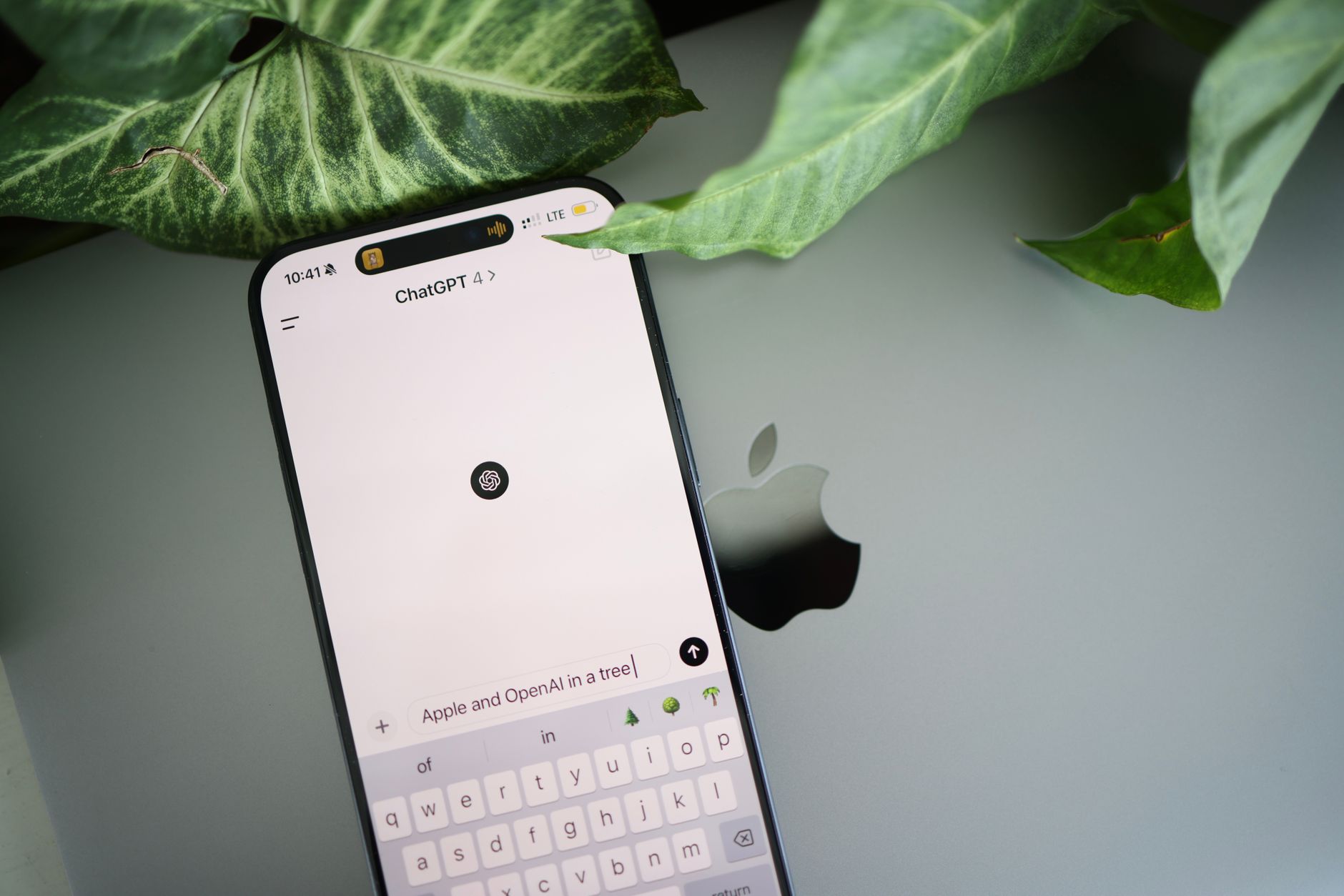
OpenAI, the creator of ChatGPT, has long been aware of this trend and is now betting further on the integration of health data. By linking with Apple Health, the chatbot aims to provide users with more personalised advice, leveraging movement, sleep, and activity patterns to enhance the accuracy of its responses. This development, while promising, does raise pertinent questions about privacy and the role of AI in healthcare.
Privacy in the Age of AI
The integration with Apple Health is designed with privacy at its core, assures OpenAI. The firm states that the data remains secure and is used solely to refine the advice given. Yet, as with any digital platform handling sensitive information, concerns about data breaches and misuse linger. OpenAI's challenge lies in balancing the potential of AI-driven health advice with the inherent risks of digital data storage.
The Future of Healthcare
ChatGPT's evolving role in healthcare reflects broader shifts in how individuals seek medical advice. With healthcare systems worldwide under strain, AI offers a convenient, albeit imperfect, alternative. However, as convenient as it is to have a digital assistant at one's fingertips, it is no substitute for professional medical consultations. The future may well see AI complementing rather than replacing traditional healthcare, offering initial advice and triage while guiding users towards appropriate medical care when needed.
As ChatGPT continues its foray into the health sector, it challenges both the boundaries of technology and the traditional healthcare model. Whether it can truly become a trusted digital confidant remains a question of both technological capability and public acceptance.