Cheetah Population in India Climbs to 53, Celebrated by Environment Minister
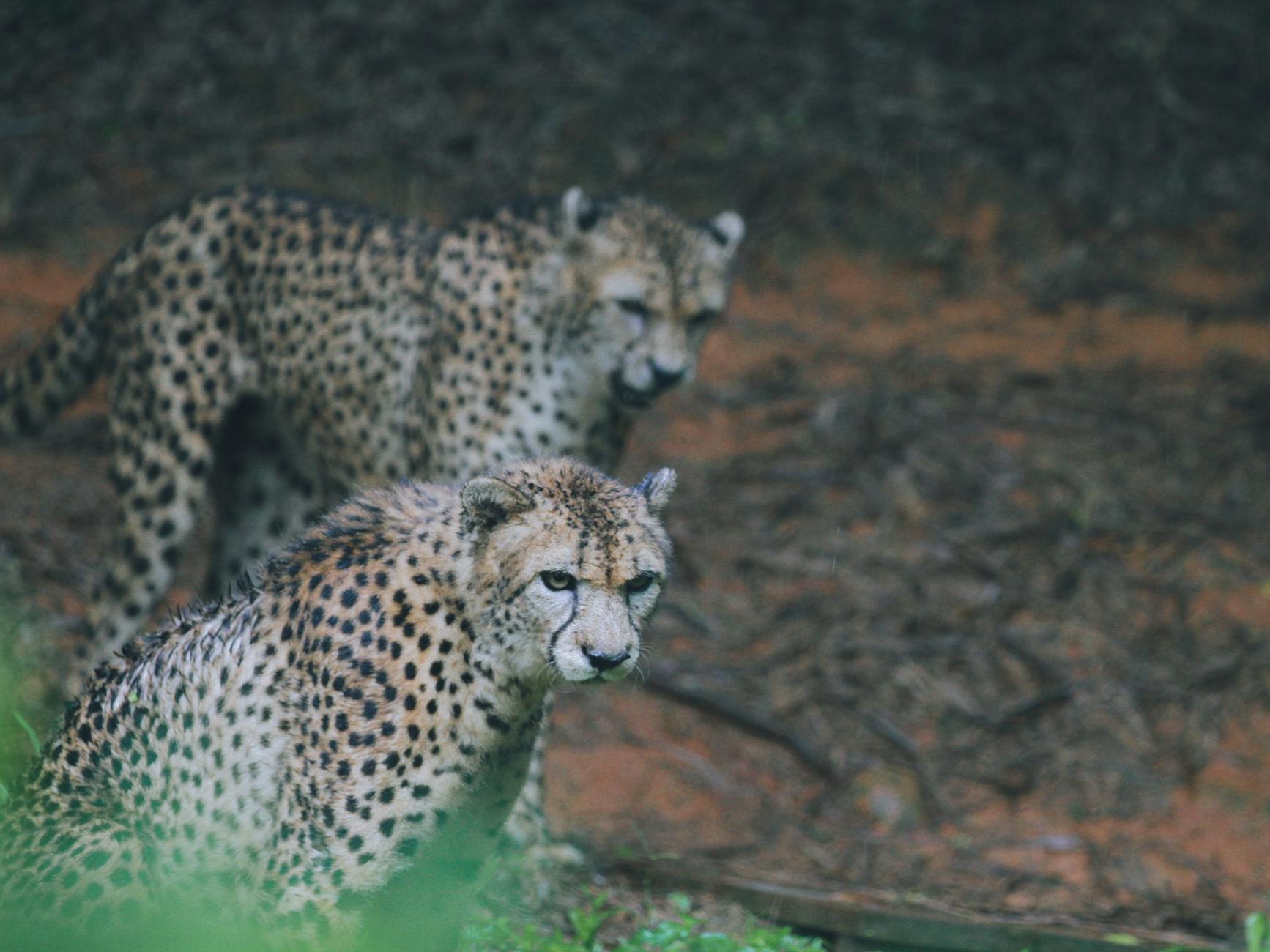
In a moment that resonates with triumph for India's conservation community, Environment Minister Bhupender Yadav has proudly announced that the country's cheetah population has reached a remarkable 53. This milestone, celebrated with great enthusiasm, highlights the success of Project Cheetah, an ambitious initiative to reintroduce cheetahs into their historical habitat in India.
Central to this achievement is Jwala, a Namibian cheetah, who has been a beacon of hope and progress. Having become a mother for the third time, Jwala's contribution cannot be overstated. Her latest litter of five cubs was born at the Kuno National Park, where an ongoing effort to foster a thriving cheetah population is underway. The park now boasts 33 Indian-born cubs, a testament to the dedication of veterinarians and field staff.
The reintroduction of cheetahs has been fraught with challenges. Once declared extinct in India in 1952 due to hunting and habitat loss, the species' return is a testament to perseverance. The initiative, which saw cheetahs translocated from Namibia in September 2022, aims not only to restore ecological balance but also to serve as a symbol of India's commitment to biodiversity.
Minister Yadav, in his statement, underscored the significance of this development. "It's a moment of great pride," he shared on X, formerly known as Twitter. His words echo across the conservation landscape, as efforts to protect these majestic creatures gain momentum. The successful breeding of cheetahs like Jwala is seen as an encouraging sign, offering hope for future generations of both cheetahs and conservationists alike.
As the cheetah population crosses the half-century mark, the focus now turns to ensuring the sustainability of these efforts. The project serves as a reminder of what meticulous planning and unwavering dedication can achieve. Yet, with this success comes the responsibility of maintaining and nurturing the growing population. The eyes of the global conservation community remain fixed on India, eager to learn from its journey of revitalising a species once thought lost to history.