Chew on This: How Mastication Boosts Brain Power
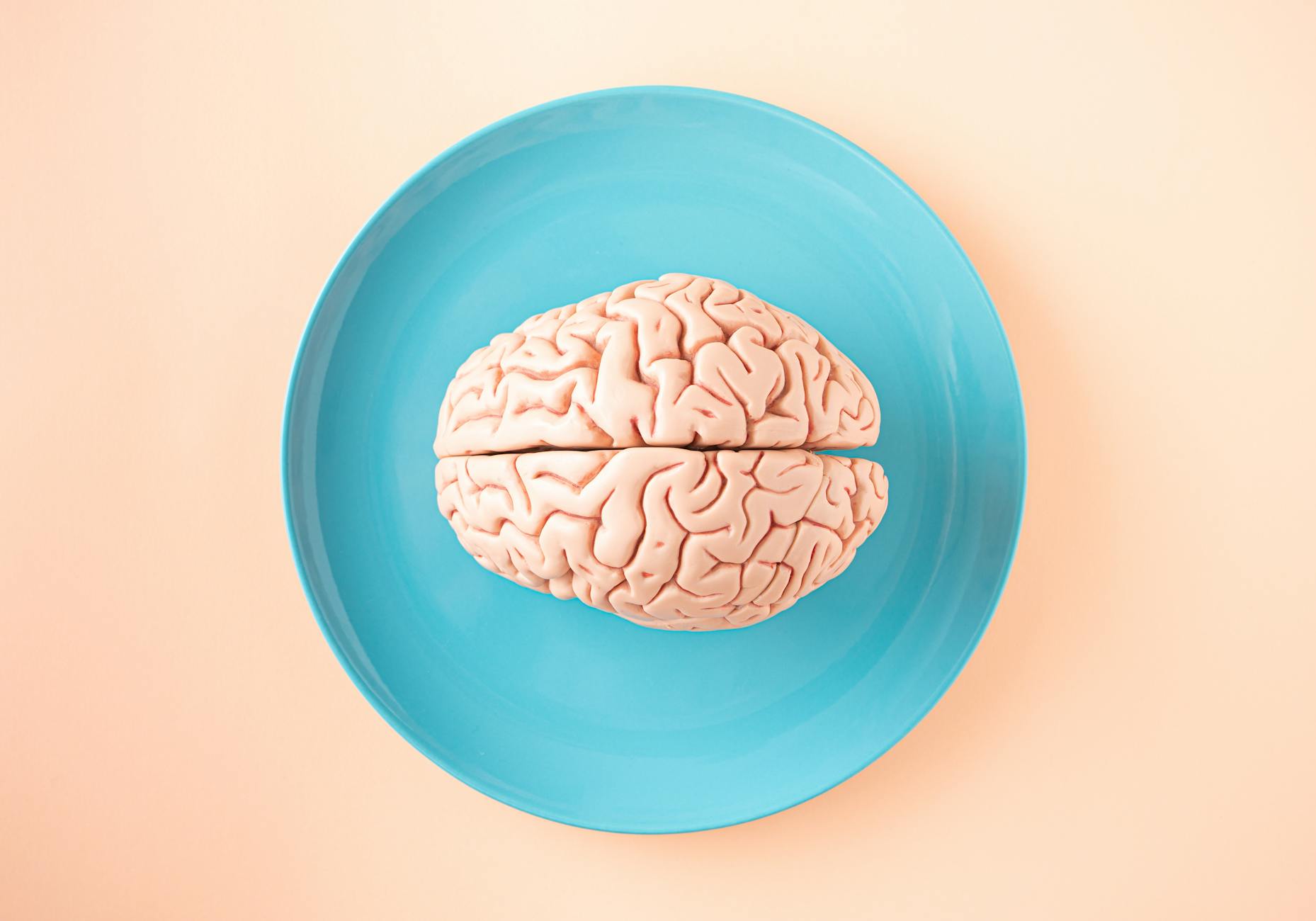
In a world where convenience often trumps tradition, the simple act of chewing might seem inconsequential. Yet, emerging research suggests that this mundane activity is far more significant than we might imagine. Particularly, the act of chewing moderately hard substances, such as gum, appears to serve as a hidden pump, enhancing blood flow to the brain.
The Unsung Hero of Mastication
According to Mats Trulsson, a proponent of this theory, chewing effectively stimulates blood circulation. 'It's akin to a pump,' he says, noting how the rhythmic action sends blood surging towards the brain. This increase in blood flow is not merely a physiological quirk; it translates into heightened alertness and improved cognitive function.
Historically, the development of tools and agriculture diminished our need for prolonged mastication. Yet, as researchers like Van Casteren point out, this reduction in chewing might have inadvertently deprived us of its cognitive benefits. The advent of processed foods has furthered this decline, but perhaps there's a case to be made for revitalising our jaw muscles.
Chewing Beyond Nutrition
Beyond sustenance, chewing offers a subtle but effective form of stress relief. Studies indicate that the act of chewing gum not only increases cerebral blood flow but also reduces cortisol levels, the hormone associated with stress. As noted by researcher Kuminski, this dual benefit can significantly improve focus and mental clarity.
So, while we may not need to gnaw on raw roots or unprocessed grains as our ancestors did, incorporating more chewing into our daily routine could be a simple, yet powerful way to boost brain power. As we continue to unravel the complexities of the human brain, perhaps it's time to reconsider the humble act of mastication and its potential role in cognitive health.