Chief Economist Advocates Trade Skills Over Traditional Degrees
In a bold departure from the norm, India's Chief Economic Advisor, V. Anantha Nageswaran, has called upon the youth to reconsider their career trajectories. Speaking at a recent economic forum, he declared that the once-revered MBA and software engineering pathways are losing their lustre. Instead, he argues, the spotlight should shift towards trades and professions that demand human ingenuity and physical presence.
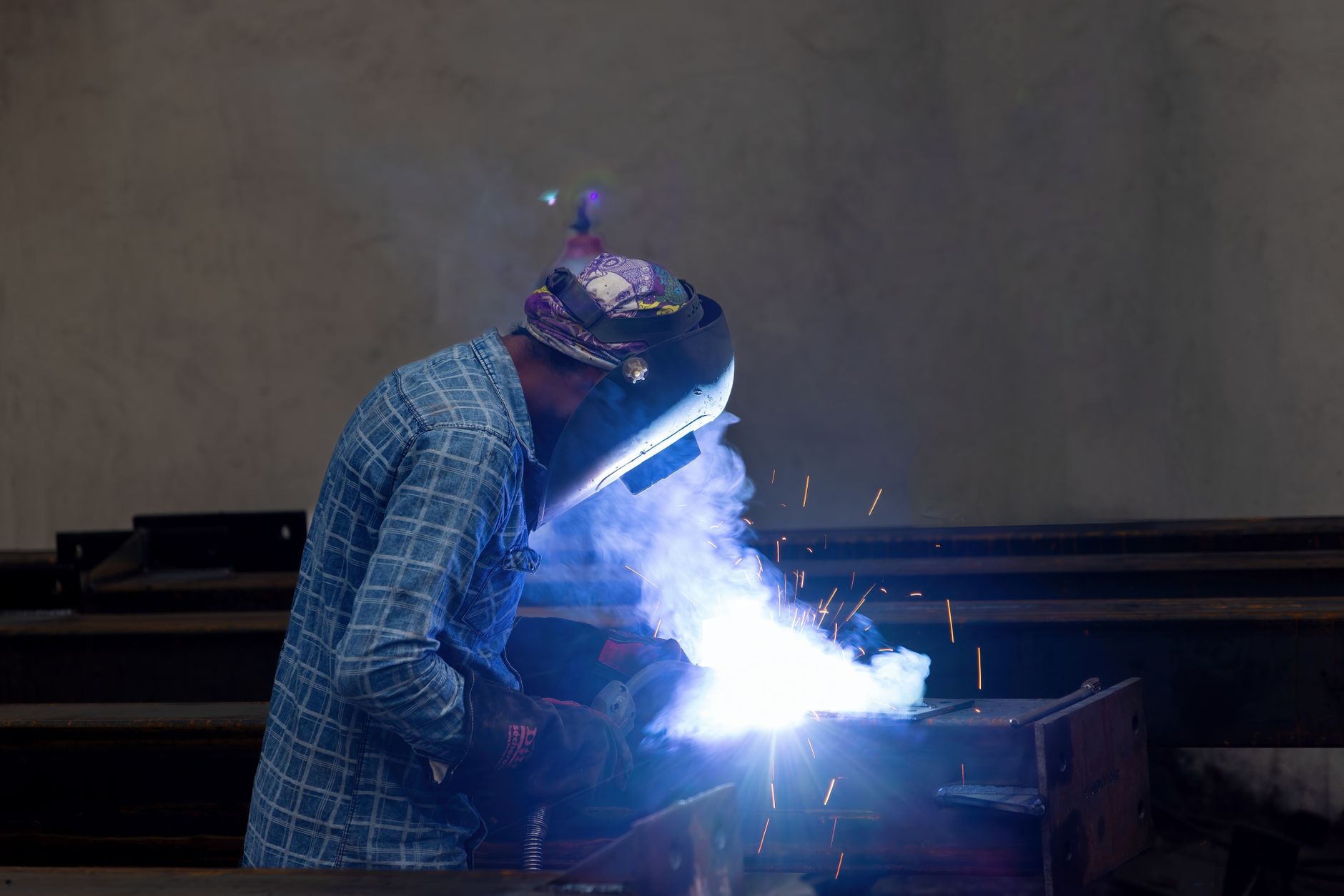
Nageswaran's remarks come amid a global shift towards automation, where machines increasingly undertake tasks once deemed the domain of humans. He suggests that the job market of the future will prize skills that are inherently human—welding, plumbing, and other trade skills that cannot be easily replicated by algorithms or robots.
This is not merely about economic pragmatism. The Chief Economic Advisor envisions a society where vocational skills are not seen as a fallback option, but as a legitimate and respected career choice. He highlights that such skills are crucial for the nation’s infrastructure development and can provide stable employment opportunities.
The Changing Face of Work
According to Nageswaran, the skills that will thrive are those resistant to the wave of automation. He called for educational reforms to align with this vision, suggesting that curricula should be designed to bolster practical skills alongside traditional academics.
The impact of these changes is already being felt in various sectors. Industries such as manufacturing and construction are experiencing a surge in demand for skilled labour. These sectors not only offer robust job prospects but also contribute significantly to GDP growth.
A Call for Societal Shift
Nageswaran's statements are a clarion call for a cultural shift in how we value different professions. By elevating the status of trade skills, there is potential to create a more balanced economy where diverse talents are appreciated and harnessed.
As India stands on the brink of a demographic dividend, the need to equip the workforce with relevant skills becomes even more pressing. The Chief Economic Advisor's vision, if realised, could indeed herald a new era where trade skills hold the key to both personal and national prosperity.