Chilled Bedrooms: A Recipe for Digestive Woes?
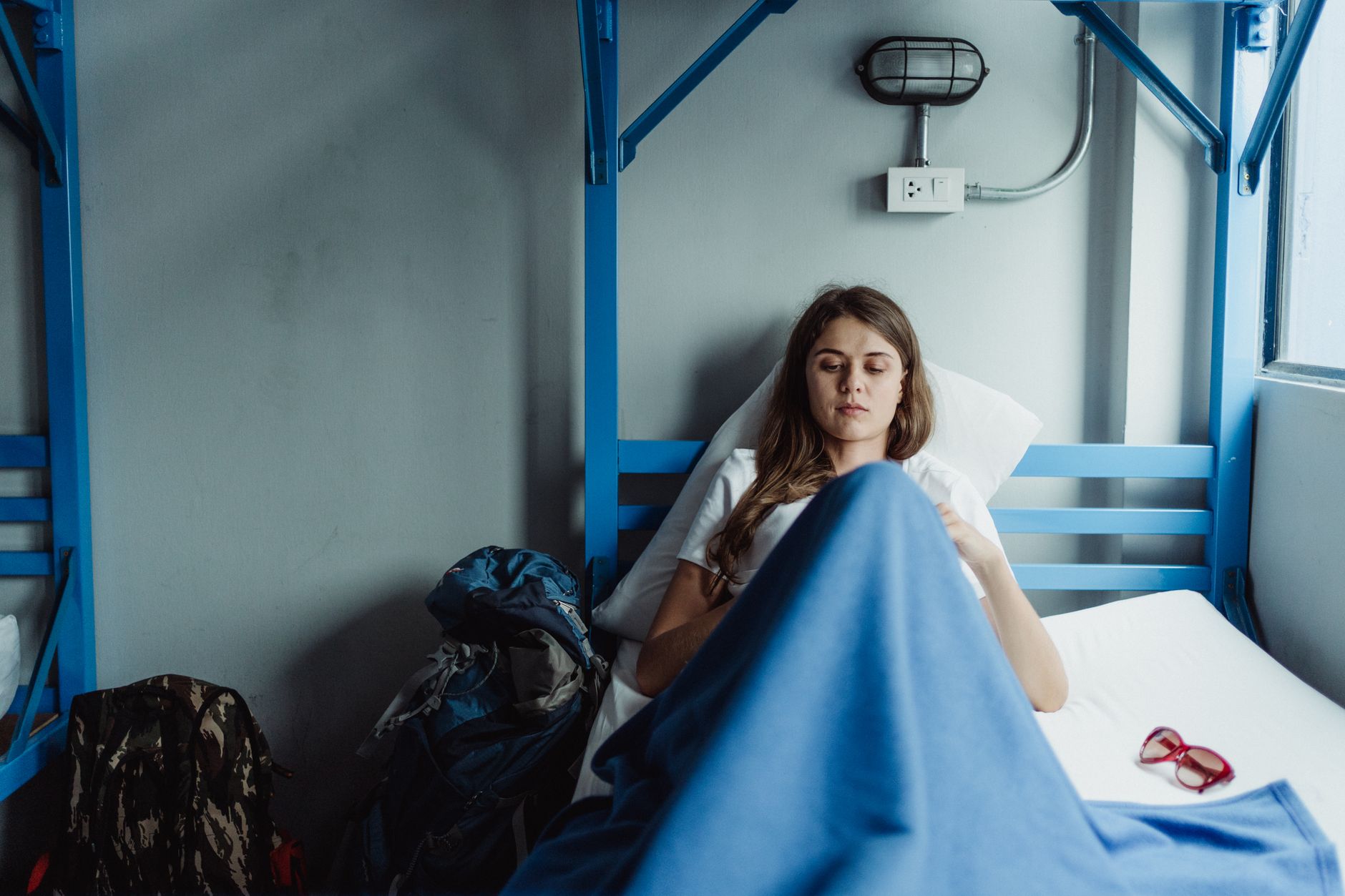
In the age of climate control and ever-efficient air conditioning, a cool bedroom might seem like a recipe for restful sleep. However, Dr Saurabh Sethi, a leading gastroenterologist, warns that this perceived comfort could come at a significant cost to your digestive health if indulged in immediately after a meal.
According to Dr Sethi, retreating to a highly chilled room post-dinner can interfere with the body's natural digestive processes. "The human body is not designed to digest food optimally under cold conditions," he explains. "A sudden drop in temperature can slow down digestion, potentially leading to discomfort and other gastrointestinal issues."
Digestive Distress
When the body is exposed to cold temperatures, it prioritises maintaining core warmth, which could detract from its ability to efficiently process the food you've just consumed. This physiological response may cause symptoms ranging from bloating and cramping to more severe digestive disturbances. "The stomach's muscular contractions, essential for digestion, could be impaired," Dr Sethi adds.
For many, the temptation to lower the thermostat is driven by the desire for a snug night's sleep, particularly during sweltering summer nights. However, Dr Sethi suggests a more measured approach, recommending that individuals allow some time for digestion before seeking the cool refuge of a chilled bedroom.
Moderation is Key
To mitigate the potential risks, Dr Sethi advises maintaining a moderate room temperature, ideally between 18 and 22 degrees Celsius, after meals. "This range supports the body's natural functions and aids effective digestion," he notes. Moreover, engaging in light activities such as a short walk after dinner can further enhance the digestive process.
While the pursuit of comfort in our sleeping quarters is understandable, it is vital to consider the broader implications for health. As Dr Sethi aptly puts it, "Good digestion is at the heart of overall well-being, and simple measures can go a long way in safeguarding it."