China Urged to Halt Food and Fertiliser Stockpiling Amid Global Crisis
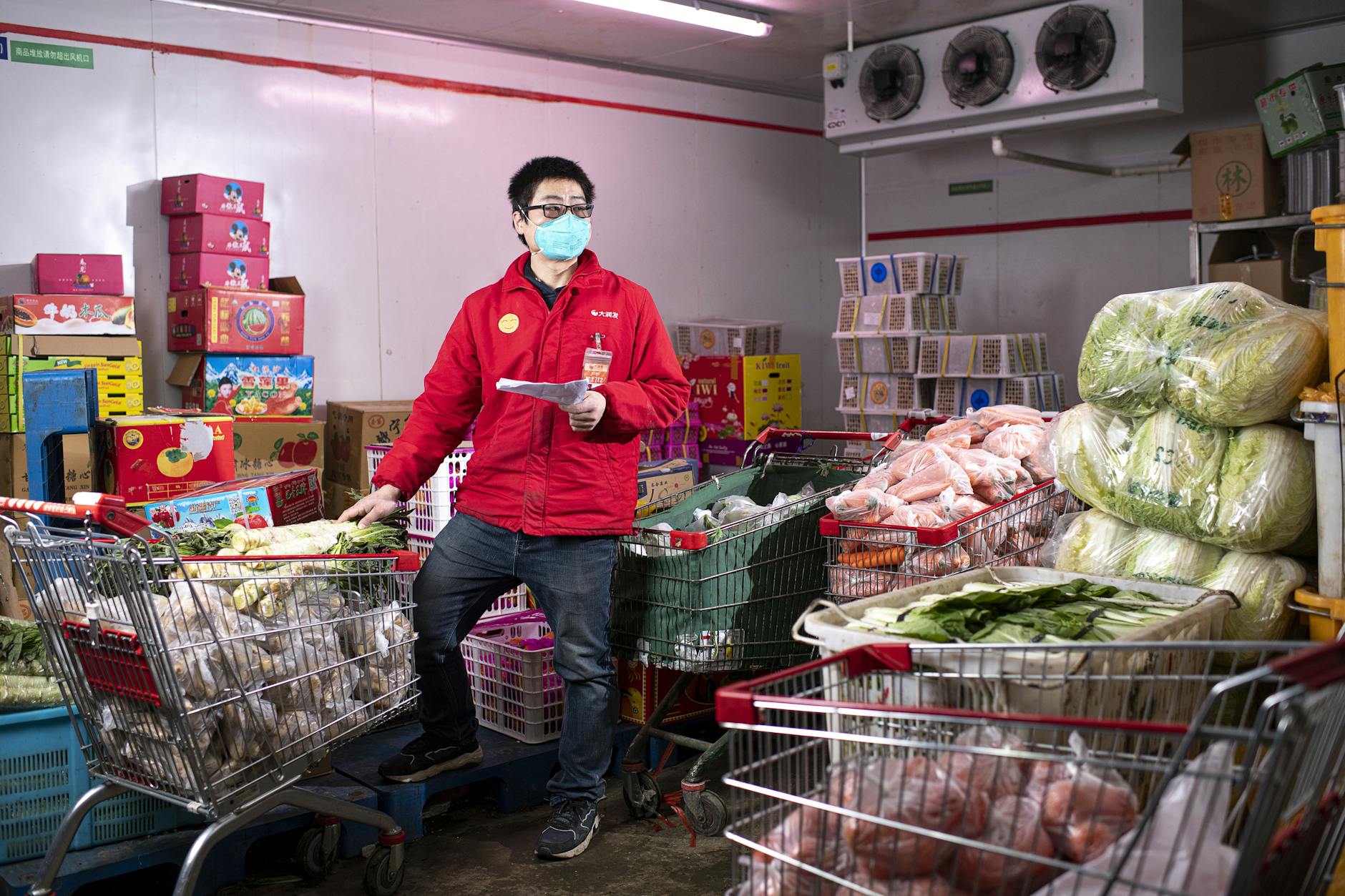
In a pointed critique of China's economic strategies, former World Bank President David Malpass has urged Beijing to cease its extensive hoarding of food and fertiliser. Speaking to the BBC, Malpass highlighted the detrimental impact of China's stockpiling on global markets, particularly in the context of the ongoing conflict in Iran, which has already strained global supply chains.
Malpass, a seasoned economist, argued that China's actions are artificially inflating prices, thereby exacerbating food insecurity in less affluent regions. The call for China to reconsider its policies comes at a time when the world is witnessing an unprecedented strain on resources, partly due to geopolitical tensions and partly due to environmental challenges.
Global Repercussions
The ramifications of China's stockpiling are far-reaching. By keeping vast reserves of essential commodities like food grains and fertilisers, China inadvertently drives up global prices. This not only affects the purchasing power of poorer nations but also threatens to destabilise already fragile economies.
According to Malpass, the current situation necessitates international cooperation and transparency in resource management. "China's economic policies have global implications," he remarked, emphasising the need for a more equitable distribution of resources.
Diplomatic Engagement
Malpass's comments come at a politically sensitive time, with US President Donald Trump and Chinese leader Xi Jinping scheduled to meet in Beijing. This meeting, watched closely by the international community, could potentially set the tone for future economic collaborations or confrontations between the two superpowers.
As the world watches, the hope is that diplomatic channels will foster a more balanced approach to resource management, alleviating the pressure on global supply chains and ensuring food security for all.