China's Bold Steps in Dust Storm Science Offer Global Relief
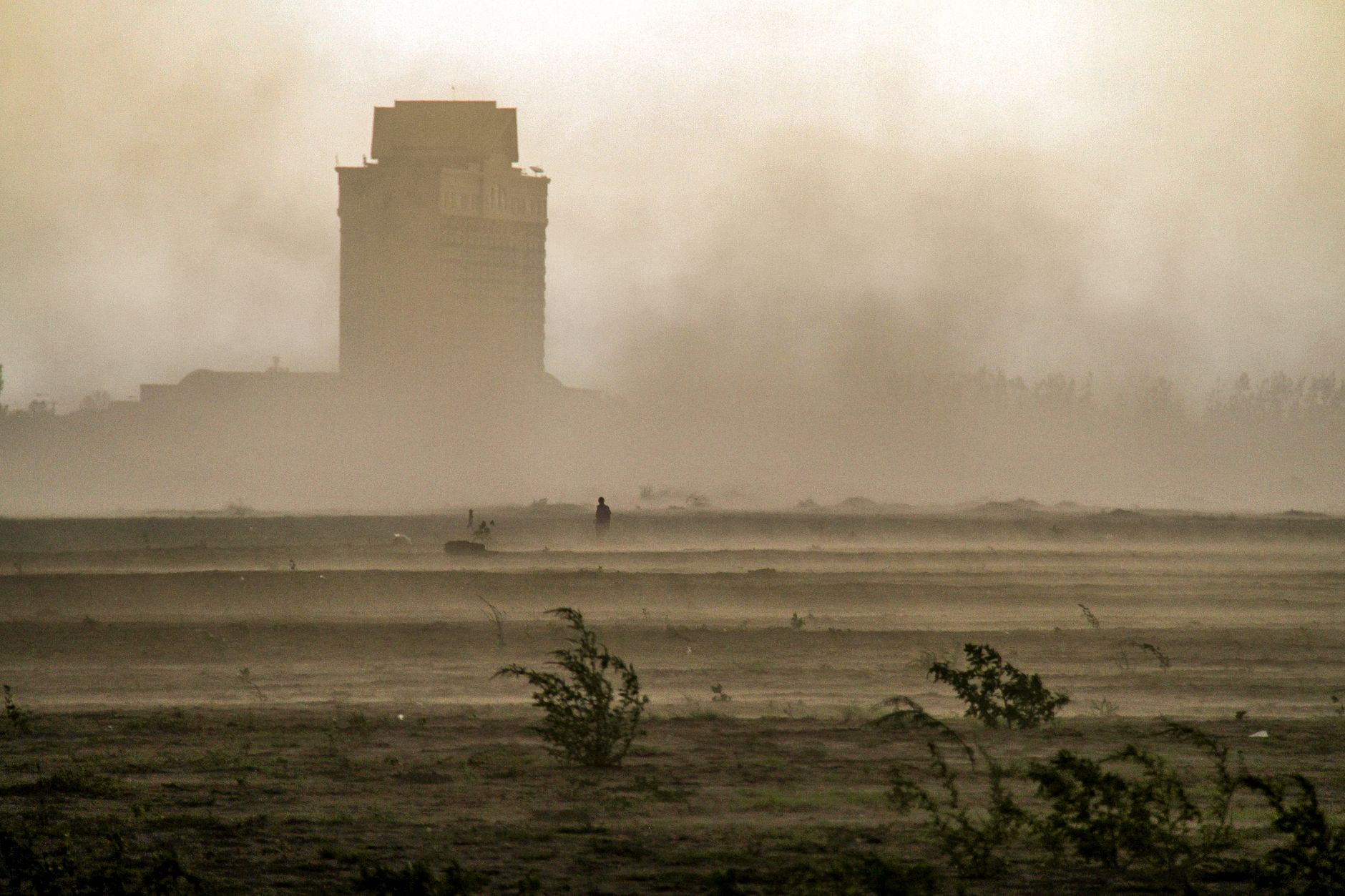
In an era where nature often reminds humanity of its formidable force, China is spearheading efforts to combat one of its more persistent challenges: sand and dust storms. These storms, which annually inject approximately 2 billion tonnes of particles into the atmosphere, affect over 150 countries, posing serious threats to public health, agriculture, and ecosystems.
China's recent endeavours, catalysed by the worst dust storm the nation has faced in a decade, are setting a new benchmark in science-based solutions. In April 2025, a massive dust plume from Mongolia swept across northern China, marking the country's most intense and prolonged dust storm in recent memory. This event has accelerated China's commitment to addressing these atmospheric upheavals.
The World Meteorological Organization's Sand and Dust Storm Warning Advisory and Assessment System (SDS-WAS) plays a pivotal role in this mission. By uniting global scientific centres, it enhances the precision of dust forecasting and introduces operational early warning services. China's collaboration with Germany, among other nations, underscores its dedication to a coordinated international response.
China's focus extends beyond mere observation. It is investing in cutting-edge technologies and research to foresee and mitigate the impacts of these storms. This includes the development of robust forecasting models and innovative early warning systems that aim to provide timely alerts, thereby safeguarding both human lives and the environment.
The broader implications of these efforts are significant. Sand and dust storms not only disrupt daily life but also hinder the attainment of 11 out of the 17 Sustainable Development Goals set by the United Nations. China's proactive stance offers a glimmer of hope in achieving these global objectives, particularly in the face of climate change and environmental degradation.
As the world grapples with the realities of environmental challenges, China's approach to sand and dust storms serves as a model for international cooperation and scientific innovation. The path forward may not be without its obstacles, but with such committed efforts, the future seems a shade brighter, albeit still dust-laden.