China's Classrooms Embrace AI: A Glimpse into the Future
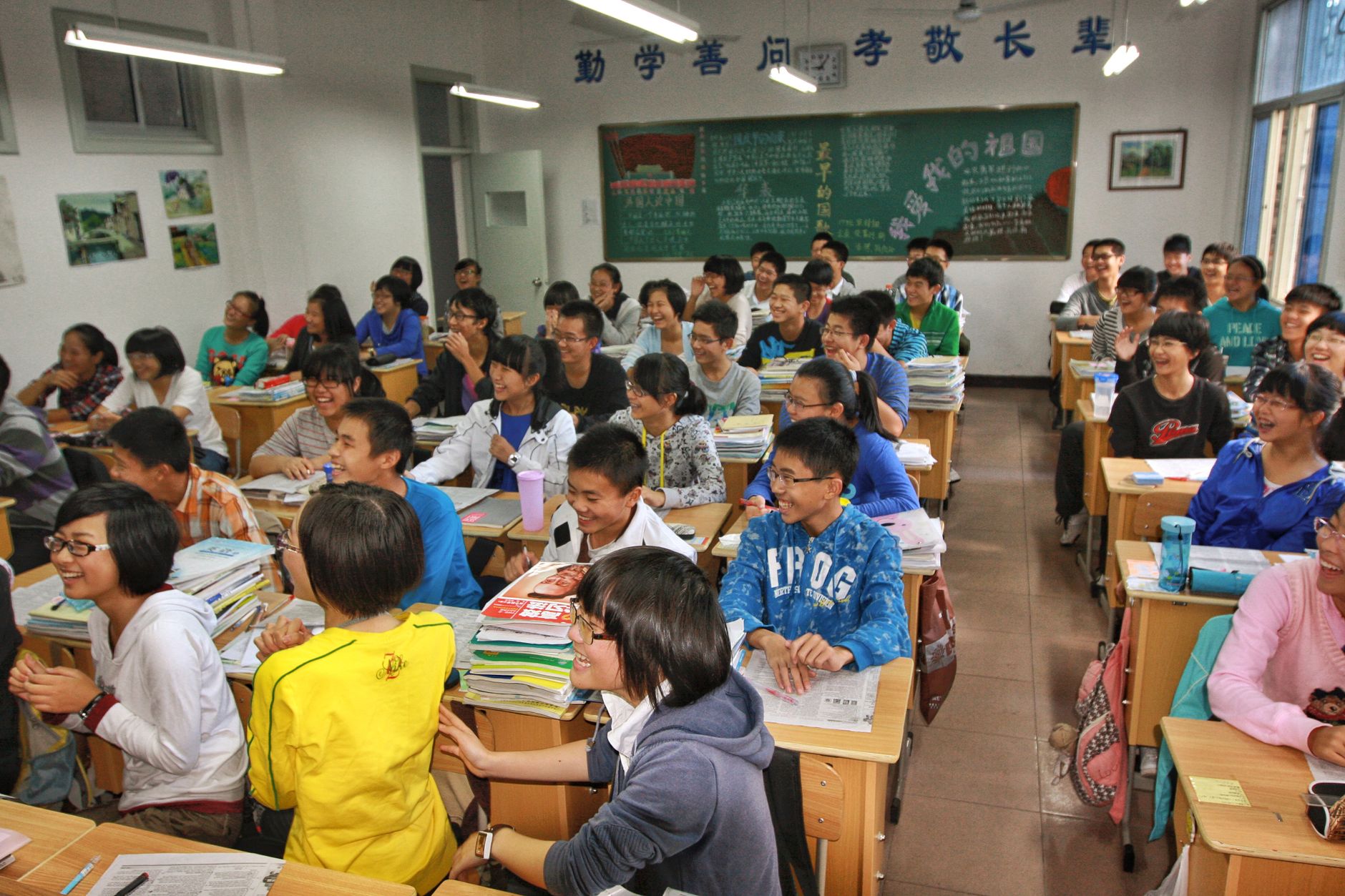
In a classroom in Hangzhou, as young children scribble away at their desks, unseen eyes watch over them. These are not the eyes of teachers, but rather sophisticated AI cameras, part of a sweeping initiative by China to integrate artificial intelligence into its education system. This move, driven by President Xi Jinping's strategic priorities, seeks to prepare the nation for a future dominated by technology.
Children in China now encounter AI as early as six years old, thanks to new guidelines from the Ministry of Education. The curriculum, which runs through all grade levels, aims to embed AI literacy from a young age. This isn't merely about using technology in classrooms; it's about cultivating a generation of students fluent in the language of AI.
One of the more intriguing aspects of this integration is the use of brain-wave tracking technology. Small devices perched upon students' heads monitor their concentration levels, transmitting data to teachers in real-time. While some may view this as intrusive, proponents argue it provides invaluable insights into student engagement, allowing educators to tailor their teaching methods accordingly.
Such measures are part of China's broader ambition to not just participate in, but to lead, the Fourth Industrial Revolution. By familiarising students with AI from an early age, China is laying the groundwork for a workforce capable of innovating and excelling in a technology-driven world. The government's emphasis on AI is mirrored by substantial investments in AI research and development, further underlining its commitment to this vision.
However, this rapid adoption of AI technology in education raises several questions. Concerns about privacy and the ethical implications of monitoring students so closely have been raised both domestically and internationally. Critics worry about the pressure this places on young students and the potential for misuse of data.
Yet, for many in China, the promise of AI in education is a compelling one. It represents an opportunity to bridge educational gaps, personalise learning, and equip students with the skills needed for future success. As the world watches, China's classrooms may well become the proving ground for the potential of AI in education.