China's Electromagnetic Rockets: A New Dawn for Space Travel
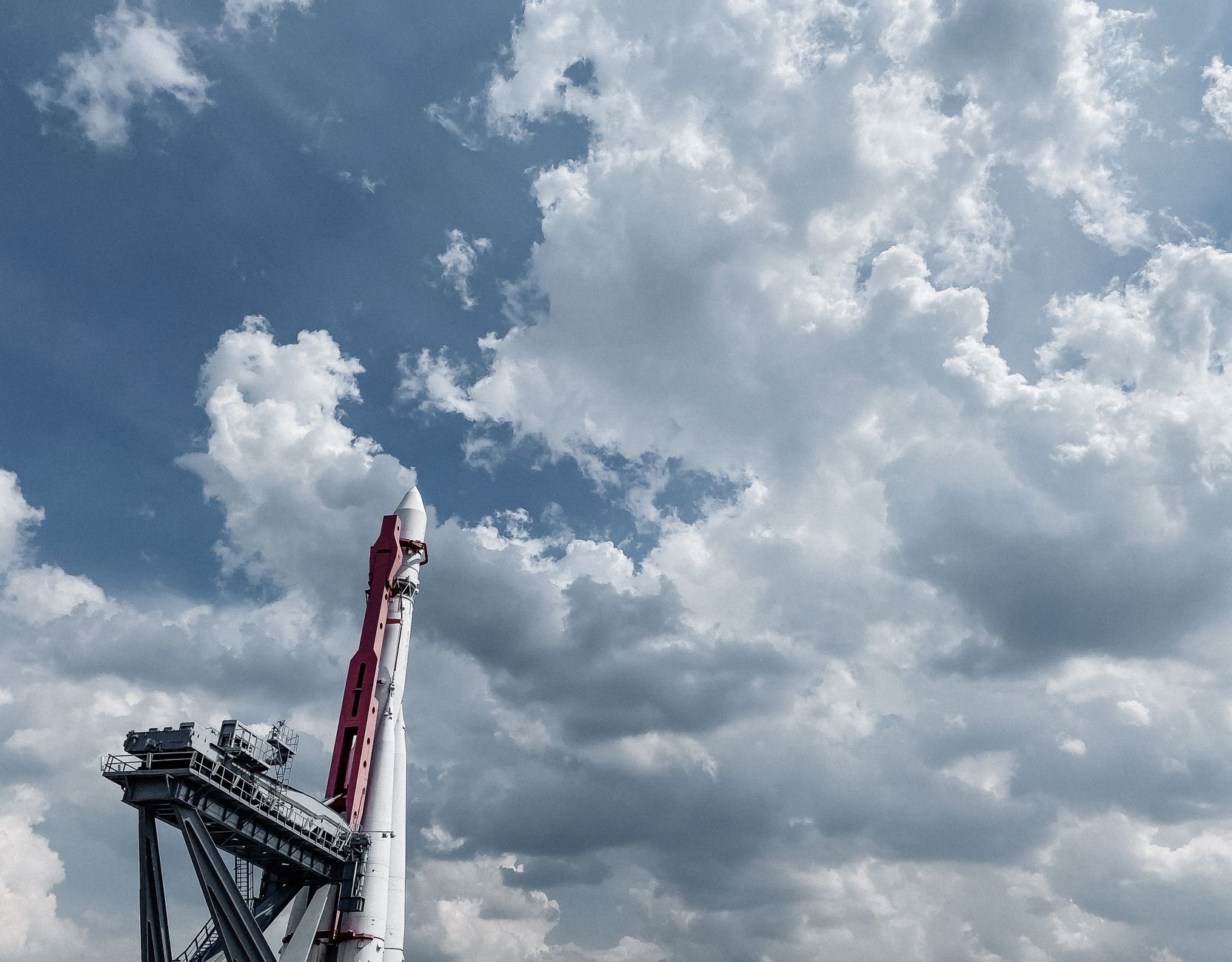
In the arid expanse of China's remote testing grounds, a small yet significant spark has set the stage for what could be a seismic shift in space exploration. The successful trial of a diminutive 1.4-metre rocket model on an electromagnetic launch track has captured the attention of the global space community. The test, conducted by China's Ziyang institute, serves as a precursor to a bold vision: utilising electromagnetic technology to propel rockets into orbit.
This method, reminiscent of the magnetic levitation trains that silently glide across tracks, promises to reduce the weighty burden of chemical propellants. The concept is simple yet ingenious: replace the fiery, fuel-hungry launch with a swift acceleration using electromagnetic forces. By 2028, China's Galactic Energy aims to have a maglev rocket launch pad operational, signalling a potential revolution in how we access space.
The implications of this technological advance are vast. Traditional rocket launches are expensive, largely due to the enormous quantities of fuel required and the subsequent environmental impact. Electromagnetic launches could offer a greener alternative, reducing carbon footprints while doubling the payload capacity. This dual advantage not only makes it economically appealing but also environmentally responsible.
Competing with Global Giants
China's foray into electromagnetic rocket technology is more than an engineering marvel; it's a strategic manoeuvre to cement its position in the fiercely competitive arena of space exploration. As SpaceX continues to dominate headlines with its reusable rockets, China's innovation offers a different path to the same destination: effective and sustainable space travel.
There are, of course, technical hurdles to overcome. The initial applications of this technology might be limited to launching small satellites or serving as an auxiliary to traditional rockets. However, the potential for development is immense. If perfected, electromagnetic catapults could one day launch cargoes without the need for conventional rockets, transforming the logistics of space transport.
A New Era in Space Exploration?
While the world watches, China is quietly pushing the boundaries of what's possible. The successful implementation of this technology could redefine the economics of reaching orbit and place China at the forefront of space exploration innovations. It is a testament to human ingenuity and a reminder that the race for the stars is far from over. As the details of this project unfold, the global community will be keenly observing whether this bold venture can deliver on its promises.