China's Secret Oil Lifeline: The Network Behind Iranian Crude
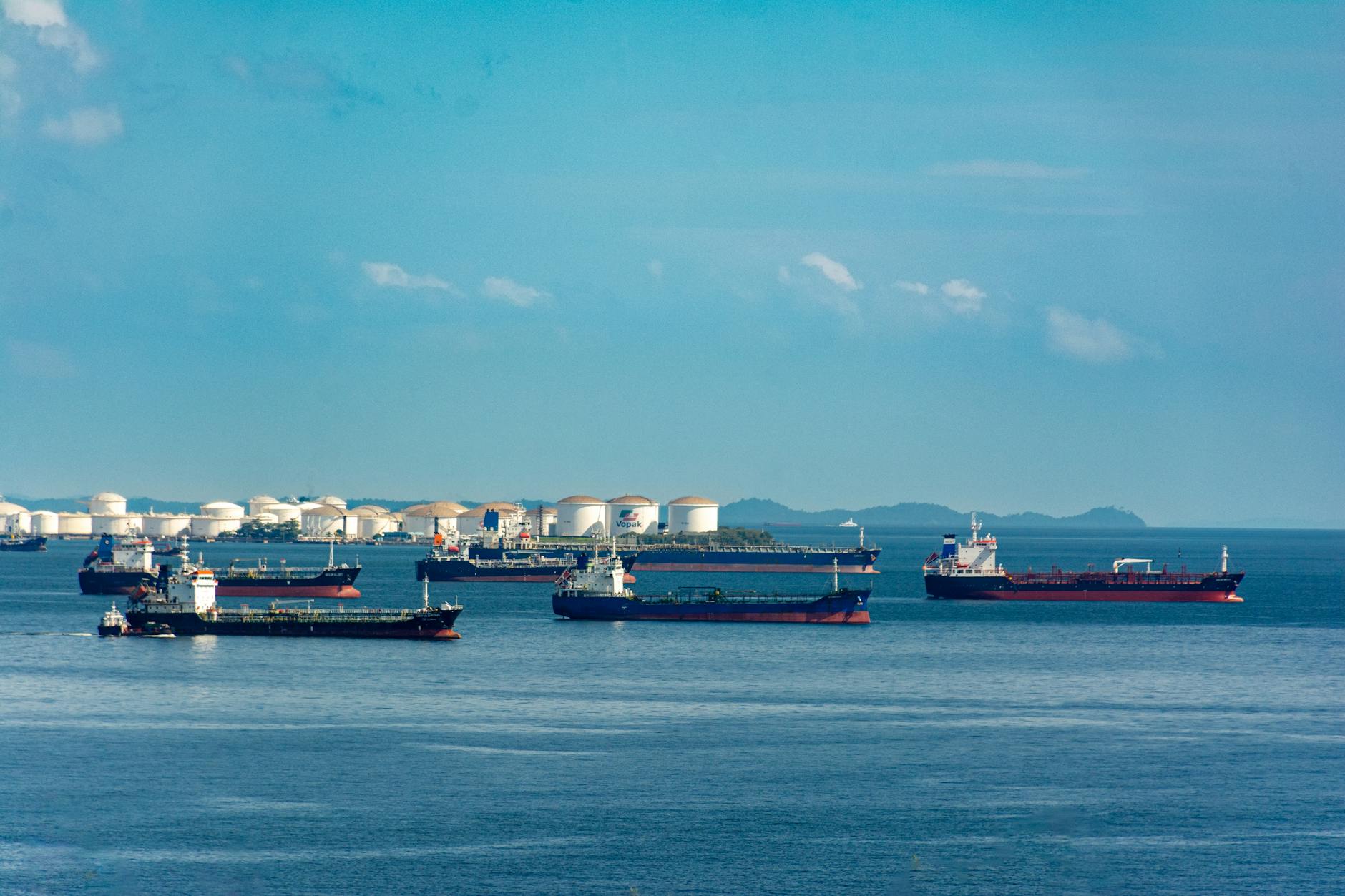
In the shadowy world of international oil trade, a complex network quietly keeps Iranian crude flowing into China, despite stringent US sanctions. This clandestine operation is orchestrated through a combination of 'shadow fleets' and 'teapot refineries', underscoring China's adeptness at navigating geopolitical pressures.
The term 'shadow fleet' refers to a fleet of ships that discreetly transport Iranian oil. These vessels often engage in ship-to-ship transfers, a tactic that obscures their true origins and destination from prying eyes. Once the oil reaches Chinese shores, it is processed by the so-called 'teapot refineries'. These small, independent refineries, operating with Beijing's tacit approval, transform the crude into petrol, diesel, and petrochemicals vital for China's economy.
The Economic and Geopolitical Implications
This covert trade is not merely a commercial arrangement but a geopolitical strategy. By maintaining a steady flow of Iranian oil, China not only garners economic benefits but also strengthens its ties with Iran, a nation often at odds with the United States. The financial lifeline provided to Iran through these transactions supports its economy and, by extension, its military capabilities, an aspect that adds layers to the already complex Middle Eastern geopolitics.
For China, the stakes are equally high. As the world's second-largest economy, its energy demands are colossal. By tapping into Iran's oil reserves, China secures a critical energy supply while defying US sanctions, thus asserting its own geopolitical stance and diminishing American influence in the region.
A Challenge to US Sanctions
Despite Washington's persistent efforts to curtail Iran's oil exports, this shadow network has proven resilient. The estimated tens of billions of dollars that flow annually through this route bolster Iran's economy, showcasing the limitations of US sanctions when faced with determined adversaries.
This intricate web of oil trade not only highlights the ingenuity of those involved but also presents a significant challenge to US foreign policy. As China continues to manoeuvre within the global order, the question remains: how will the United States respond to this quiet yet potent defiance?