Chinese A.I. Innovators Narrow the Gap with American Firms
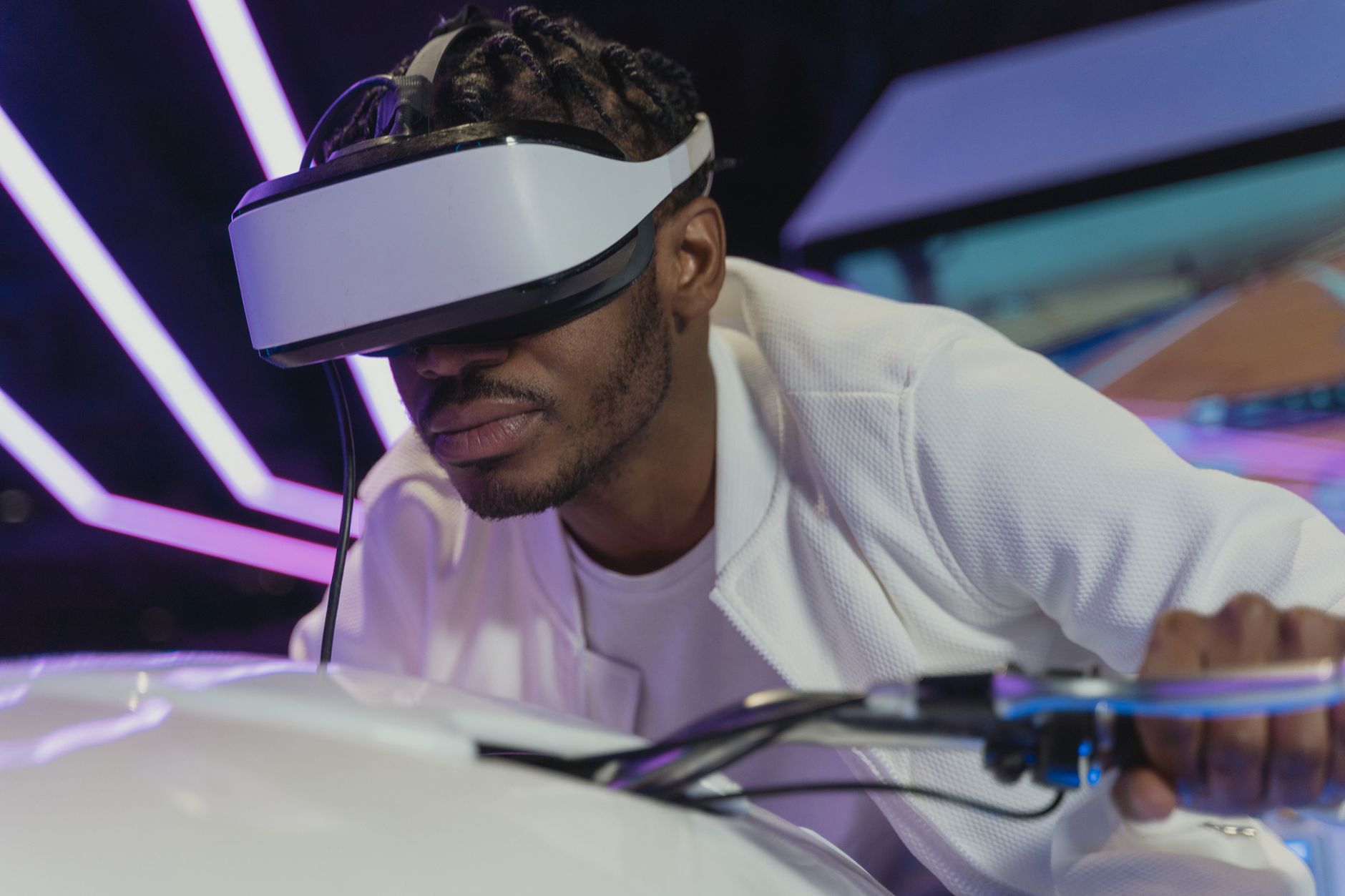
In the bustling corridors of Silicon Valley, a new narrative is taking shape. Once the undisputed leaders in artificial intelligence, American firms now find themselves in a race against time as their Chinese counterparts rapidly catch up. The swiftness of this progression has raised eyebrows and alarms across the tech industry.
For years, American companies have been the torchbearers of innovation, particularly in A.I. However, the rise of Chinese firms has been nothing short of meteoric. Leveraging their government's support and a vast pool of data, these companies have been able to replicate and, in some cases, innovate upon American technologies with remarkable speed.
The Art of Imitation
The phenomenon of Chinese 'copycat' culture is not new. From consumer electronics to fashion, imitation has long been a facet of the Chinese economic model. Yet, in the realm of A.I., this approach is taking on a new dimension. The ability of Chinese firms to not only mimic but also enhance existing technologies has put them in a strong position.
In recent years, Chinese tech giants such as Baidu, Tencent, and Alibaba have invested heavily in artificial intelligence research and development. Their focus ranges from facial recognition technology to autonomous vehicles, areas where they are now seen as serious contenders.
A Global Impact
The implications of this shift are significant. As Chinese companies close in on their American rivals, the potential for A.I. innovations to influence global markets grows. This development could reshape the competitive landscape, urging American companies to adapt swiftly or risk being outpaced.
While some argue that competition will spur further innovation, others worry about the security implications of such rapid advancement. The delicate balance between collaboration and competition in the A.I. sector is now more crucial than ever.
In conclusion, as the race in artificial intelligence heats up, American companies may need to rethink their strategies to maintain their edge. Meanwhile, the world watches as a new chapter in this technological saga unfolds, one where the lines between leader and follower are increasingly blurred.