Chinese Scientists Pioneer Semi-Cloning in Zebrafish
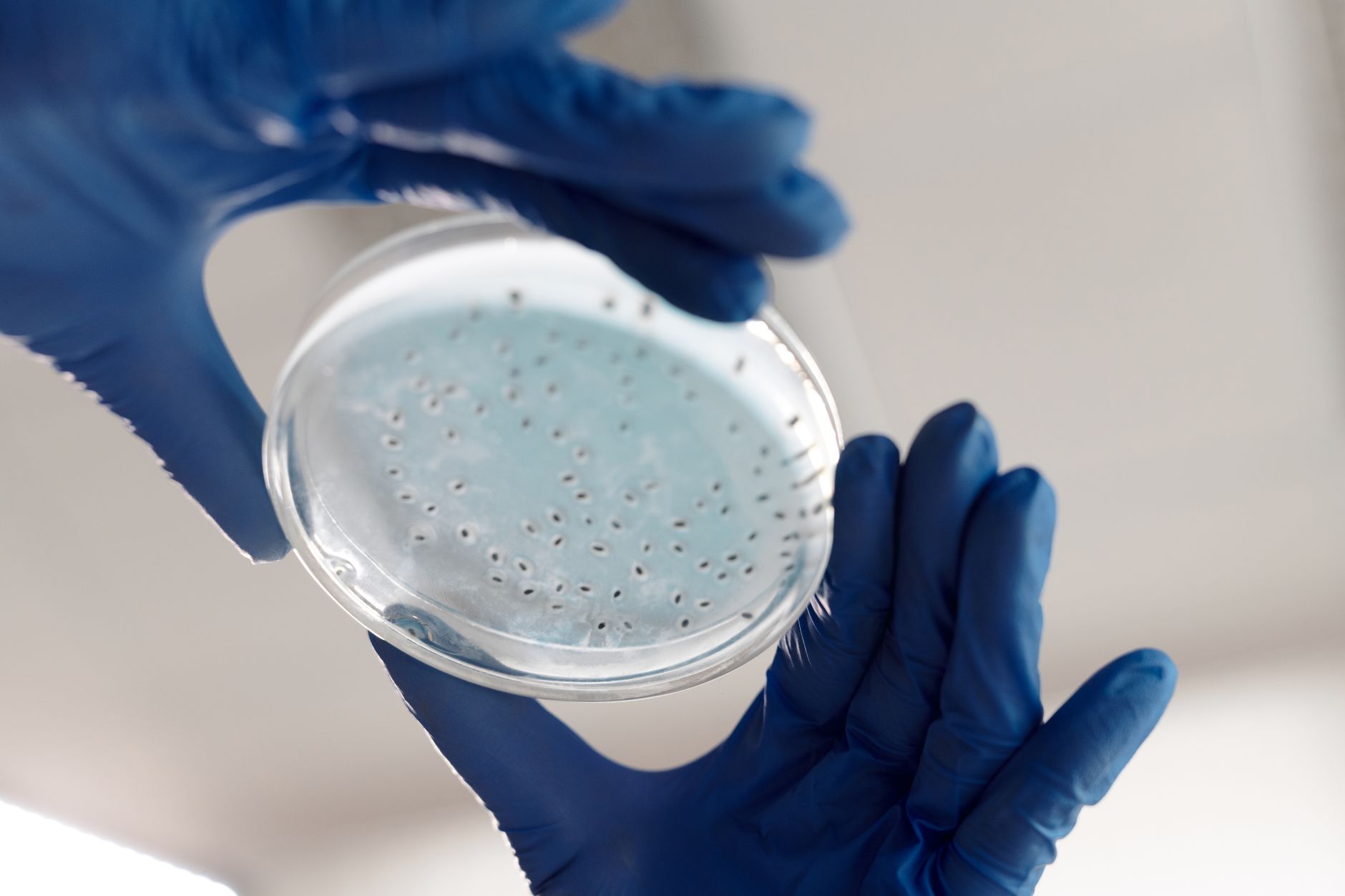
In a development that might well change the face of genetic research, Chinese scientists have introduced a novel semi-cloning technology using zebrafish. This was detailed in a recent publication in the journal Cell Research, marking a milestone in the field of genomics.
The technology, based on haploid blastocyst cell nuclear transfer, promises to create zebrafish with uniform genetic traits. Such uniformity could be vital for researchers seeking to understand gene functions and interactions without the variability that naturally occurs in populations.
Historically, zebrafish have been a stalwart of scientific research. They are an ideal model organism due to their transparent embryos and rapid development. In 2007, scientists at Fudan University employed these fish to detect oestrogen pollution, a testament to the species’ versatility in research applications.
Implications of the Breakthrough
The implications of this new technology are manifold. For one, it could significantly enhance studies related to genetic diseases, allowing for more precise modelling of human conditions. Furthermore, creating zebrafish with consistent traits could streamline research processes, reducing the time and costs associated with genetic studies.
This development also underscores China's growing influence in the global scientific community. The country has consistently pushed the boundaries of genetic research, with this latest advancement serving as yet another example of its innovative prowess.
Looking Ahead
While the initial focus is on zebrafish, the principles underpinning this technology could, in the future, be applied to other species. This opens up exciting possibilities for broader applications, potentially extending to agriculture and medicine.
As the scientific world digests this news, the full impact of the technology remains to be seen. However, one thing is clear: this breakthrough has the capacity to significantly alter the trajectory of genetic research, offering new tools and methodologies for scientists worldwide.