Cholera Outbreak in Nigeria Claims Lives Amid Health System Woes
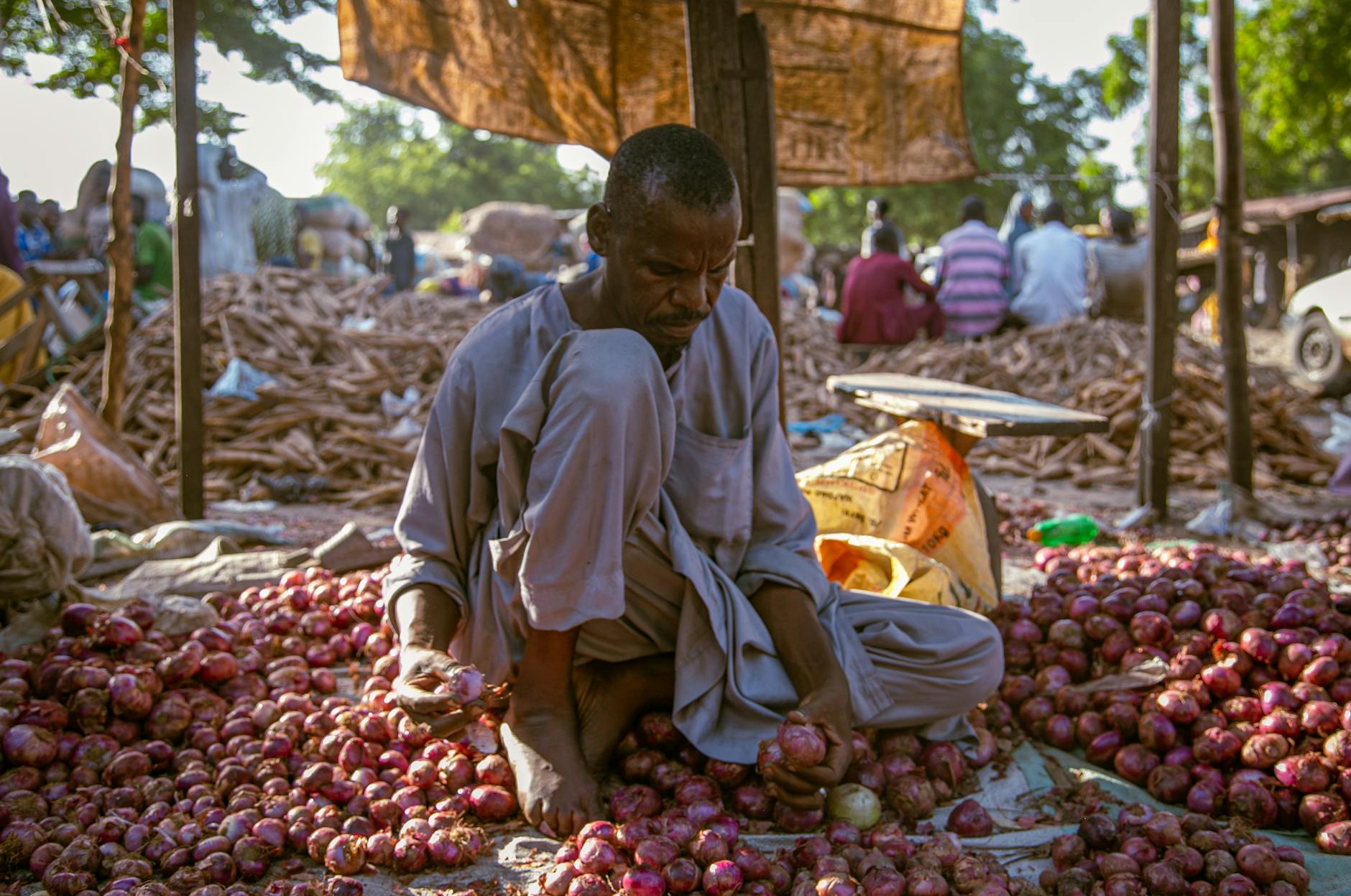
In the sweltering heat of northeastern Nigeria, a silent killer has taken hold, leaving devastation in its wake. The cholera outbreak in Borno State has claimed 74 lives, with more than 7,800 cases reported since early May. The epidemic, fuelled by recent flooding, has overwhelmed local health facilities, leaving them struggling to cope with the influx of patients.
Cholera, a waterborne disease, thrives in environments where sanitation is poor and clean water is scarce. In Borno State, recent floods have exacerbated these conditions, damaging sanitation facilities and contaminating water sources. The result is a perfect breeding ground for the cholera bacterium, which can cause severe dehydration and death within hours if not treated promptly.
The crisis highlights the fragility of Nigeria's health infrastructure, particularly in regions plagued by conflict and poverty. Health workers, already stretched thin, are working tirelessly to manage the crisis, distributing oral rehydration solutions and antibiotics to those affected. Médecins Sans Frontières and other humanitarian organisations have mobilised resources, but the scale of the outbreak has made containment efforts challenging.
Efforts to Contain the Outbreak
Authorities have launched a vaccination campaign to curb the spread of the disease, targeting high-risk areas where the infection rate is highest. However, logistical challenges and insecurity in the region have hampered these efforts. Many areas remain inaccessible, leaving vulnerable populations without much-needed medical assistance.
The situation is further complicated by the ongoing conflict in the region, which has displaced millions and crippled the local government's ability to respond effectively. The need for international aid is pressing, as local resources are insufficient to address the crisis adequately.
Long-Term Solutions Required
While immediate relief efforts focus on treating the sick and halting the outbreak, long-term solutions are essential to prevent future epidemics. Investment in infrastructure, including sanitation facilities and clean water supply, is crucial. Education campaigns to promote hygiene practices can also play a vital role in reducing the incidence of waterborne diseases.
As health officials in Borno State continue their fight against cholera, the outbreak serves as a stark reminder of the vulnerabilities faced by communities in conflict-ridden areas. The international community must not only respond to the current crisis but also support sustainable development efforts to build resilient health systems for the future.