Cityscapes and Their Invisible Impact on Public Health
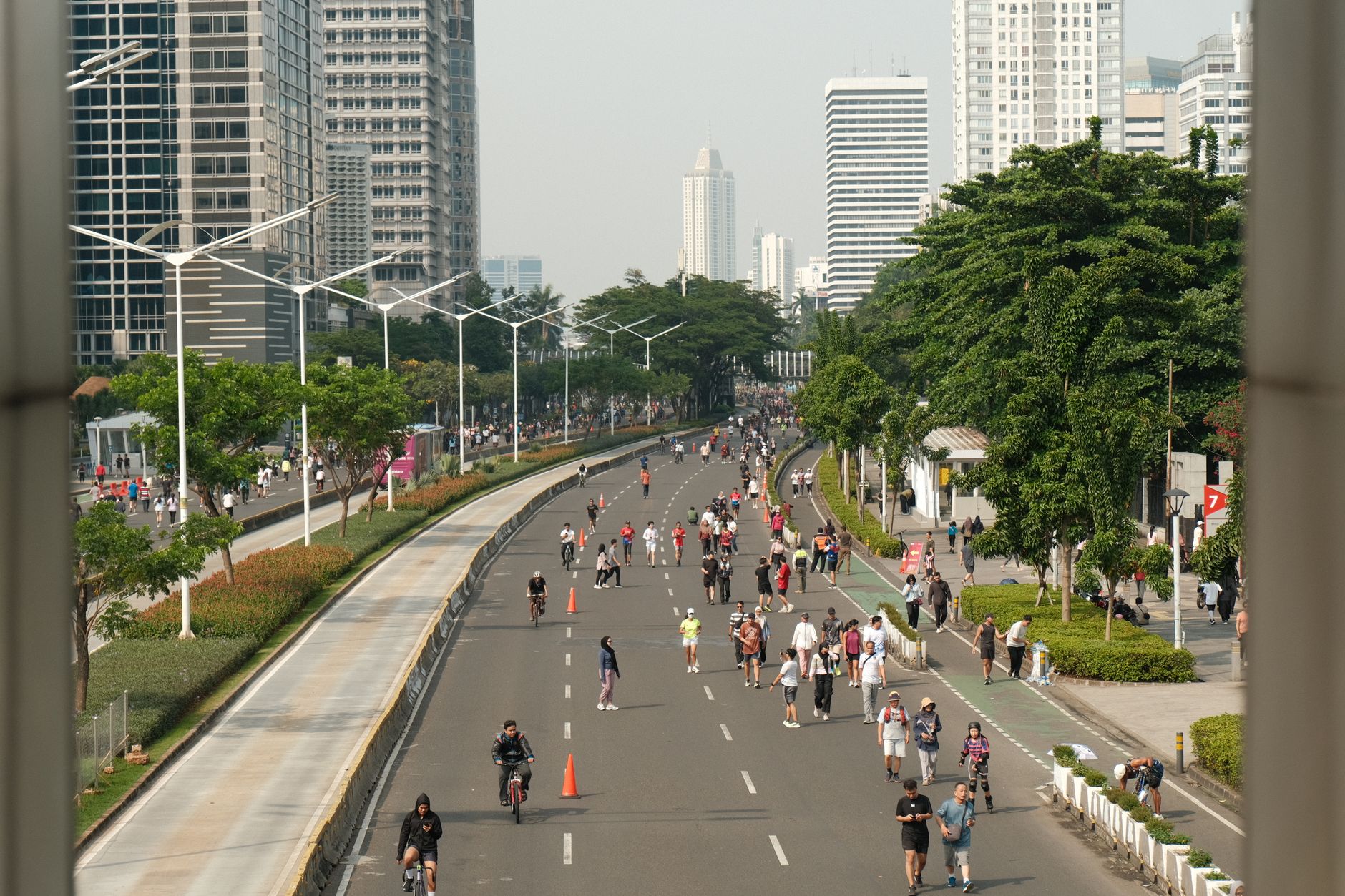
In the bustling heart of Shanghai, where skyscrapers pierce the sky and neon lights never dim, lies an often-overlooked reality: the profound influence of urban design on public health. As cities swell with millions, the architecture of these concrete jungles silently dictates the health of their inhabitants.
Urban environments can be both the cradle and the crucible of public health. In cities such as Beijing and Mumbai, the density of population often translates into a palpable pressure on healthcare systems, air quality, and mental well-being. The challenge is not merely to build taller buildings but to craft spaces that nurture health and inclusivity.
The Hidden Costs of Urban Segregation
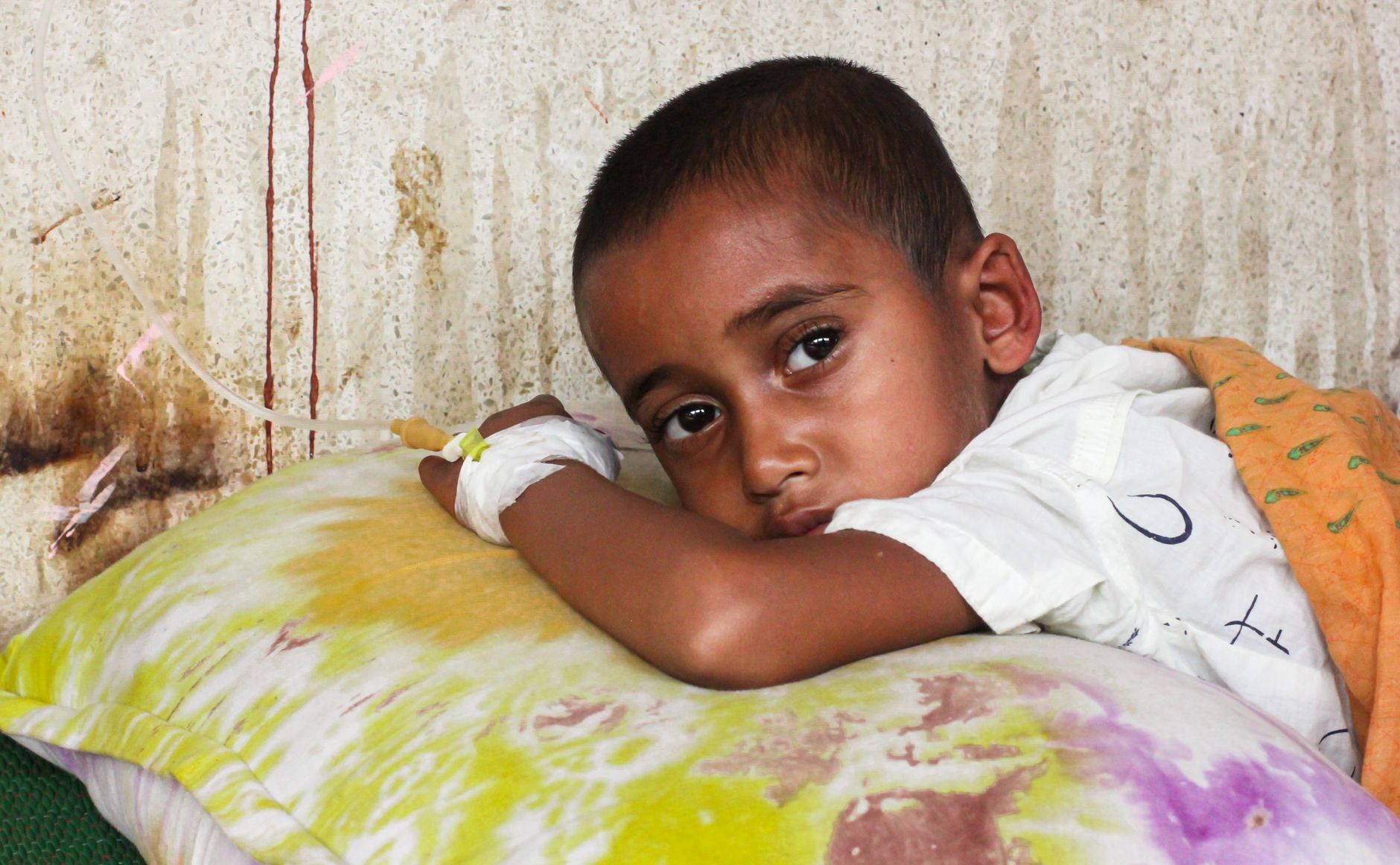
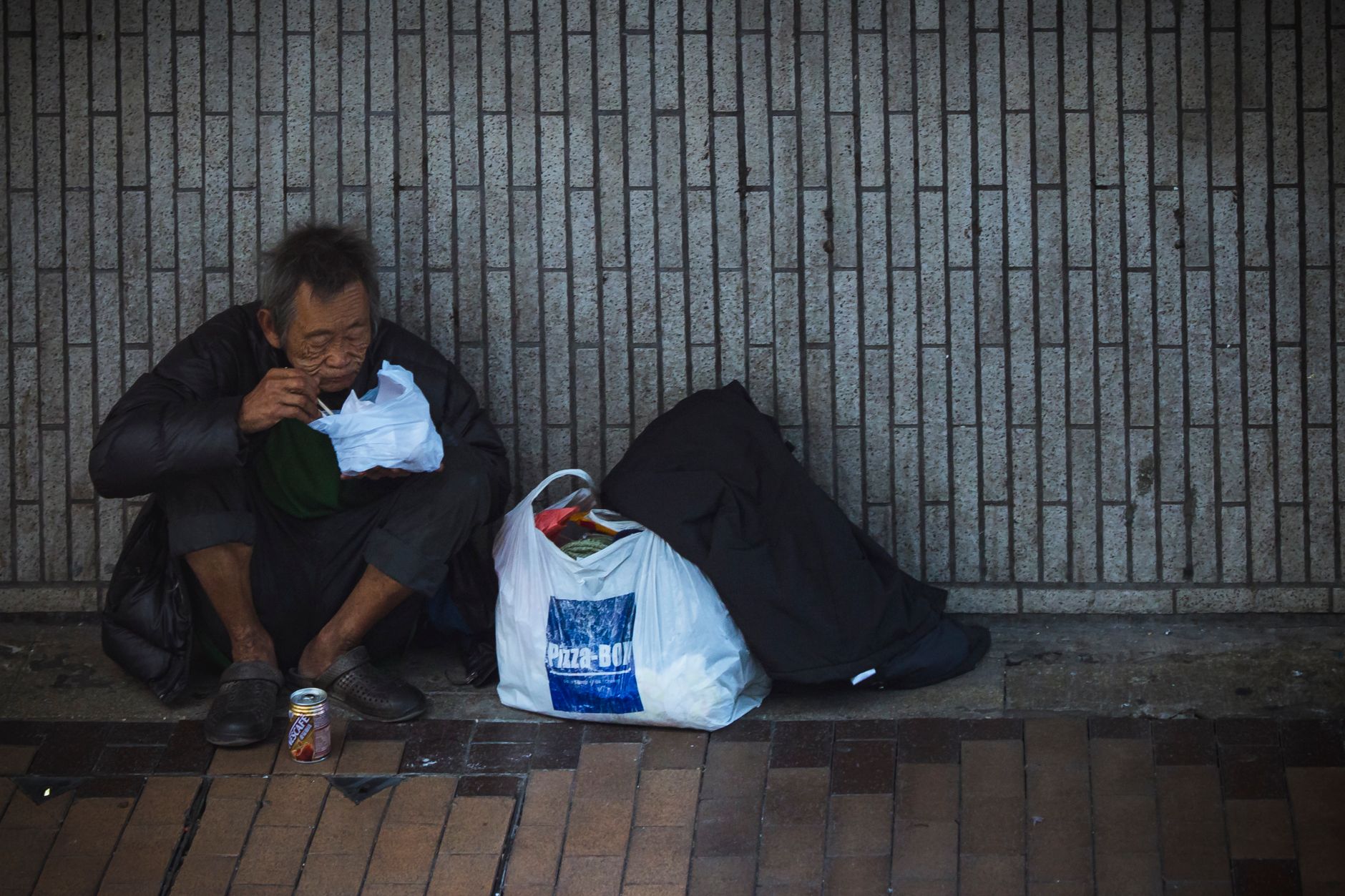
Recent studies have highlighted a troubling trend: the geographical segregation of socio-economic groups within cities. Such spatial divisions, often born out of economic necessity, result in stark health disparities. In areas where poverty is concentrated, access to quality healthcare, nutritious food, and recreational spaces is frequently limited.
According to researchers Bassanesi, Marmot, Kelly, and Chandola, as cities expand, this segregation has only deepened. Their work underscores the critical need for urban planning that prioritises equitable access to health resources, suggesting that a city's layout can either bridge or broaden the health gap.
The Path to Equitable Urban Design
For cities to thrive, they must be designed with health equity at their core. This entails not only improving infrastructure but also ensuring that all residents, regardless of their postcode, have equal opportunities to live healthy lives. Initiatives that integrate green spaces, enhance public transport, and promote active lifestyles are not mere luxuries but necessities.
As urbanisation continues its relentless march, cities like Delhi, with its 23.4 million residents, serve as both cautionary tales and beacons of potential. The task at hand is to reimagine urban landscapes where health is woven into the very fabric of the city, ensuring that future generations inherit not just cities of stone, but communities of health and harmony.