CJP Issues Ultimatum: Pradhan's Removal or Nationwide Protests
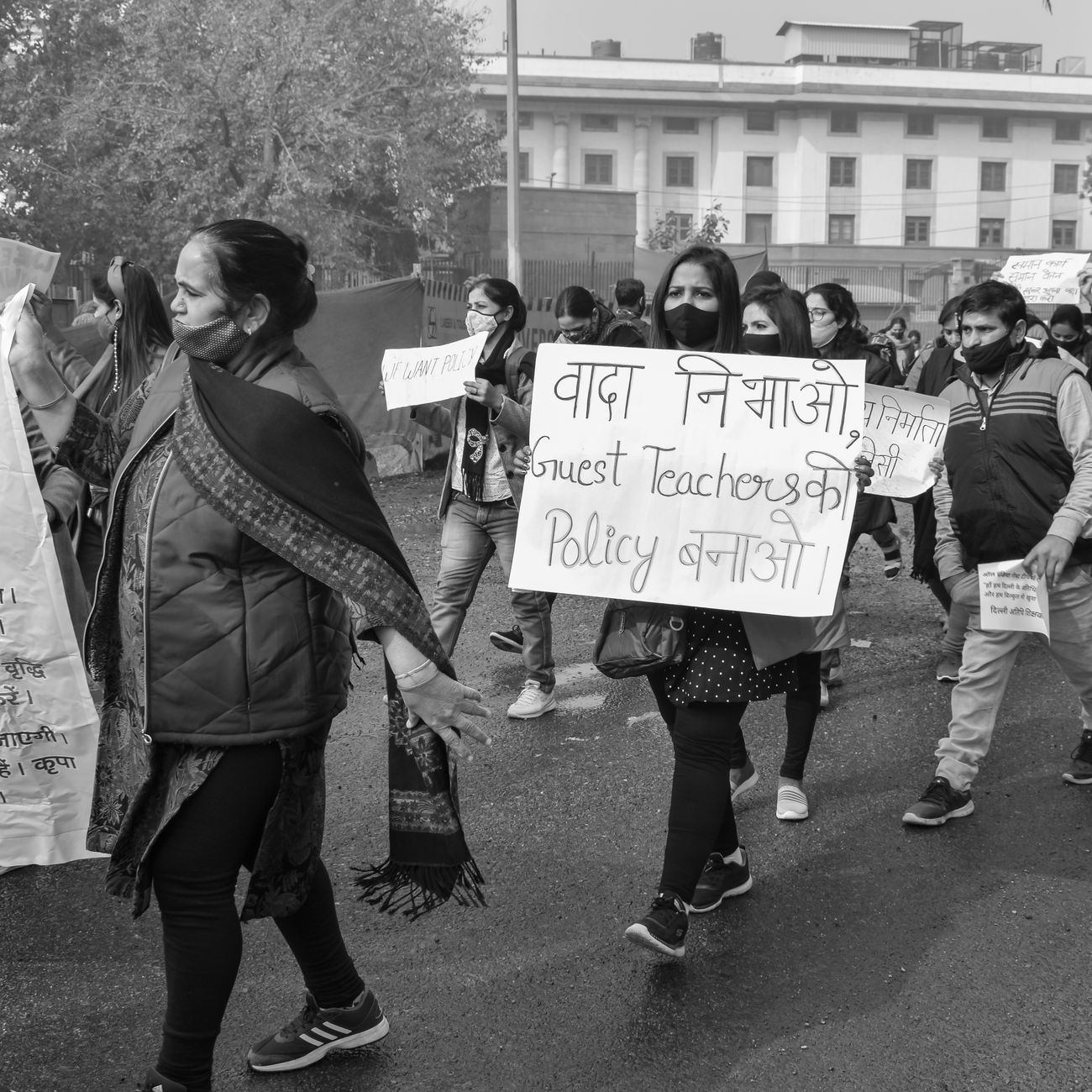
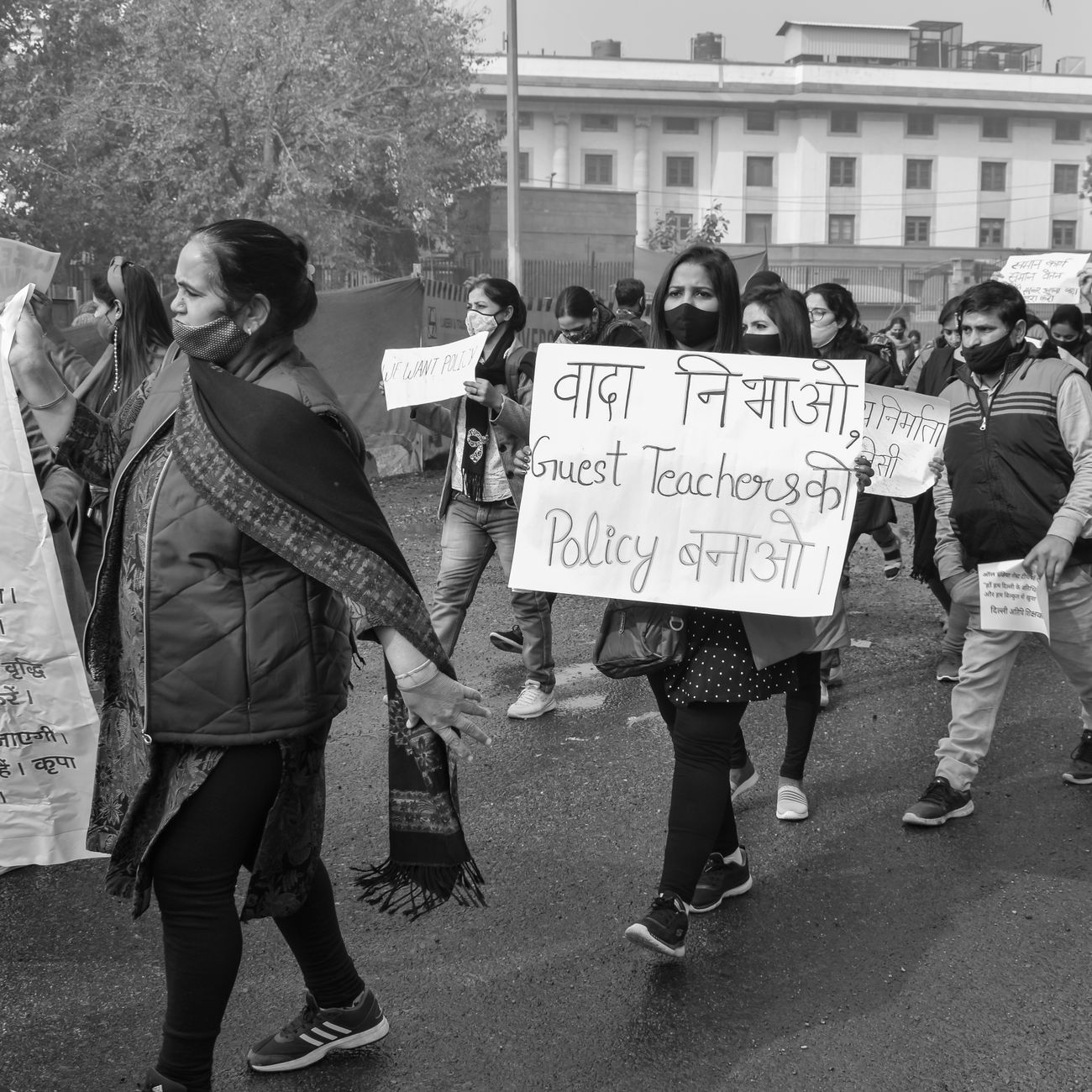
The Cockroach Janta Party (CJP), a movement that began on Instagram and rapidly mushroomed into a formidable force, has thrown down the gauntlet to the Indian government. With Education Minister Dharmendra Pradhan in their crosshairs, the CJP has demanded his resignation within a week. Failure to comply, they warn, will trigger nationwide protests led primarily by the youth.
What started as an online campaign in May has quickly gained momentum, with CJP's following swelling to over 22 million on social media. This movement, driven by discontent over examination and recruitment test irregularities, represents a burgeoning call for reform in India’s education sector. Abhijeet Dipke, the face of this movement, has made it clear that the protest at Jantar Mantar was merely a 'trailer'.
The Power of Social Media
The role of social media in mobilising such a mass movement cannot be overstated. The CJP, with its catchy moniker and relatable messaging, has captured the imagination of students and young professionals alike. Their grievances are not new, but the medium has given them a new voice, one that echoes far beyond the confines of traditional protest venues.
This development raises questions about the government's responsiveness to youth concerns and the efficacy of current educational policies. The CJP's demand for action within seven days underscores the urgency that these young campaigners feel, reflecting a broader dissatisfaction with the status quo.
Potential Repercussions
The CJP's ultimatum is not without potential consequences. Should the government fail to act, the promised nationwide protests could disrupt daily life and put further pressure on an administration already juggling various challenges. The call for Pradhan’s removal is emblematic of deeper systemic issues within India’s education system that many feel have been neglected for too long.
In this charged atmosphere, the coming days will be crucial. Whether the government listens and acts or digs in its heels could significantly influence the trajectory of India's educational policies and the broader socio-political landscape.