Cockroach Janta Party Unveils Exam Reform Manifesto Amid Pune Protest
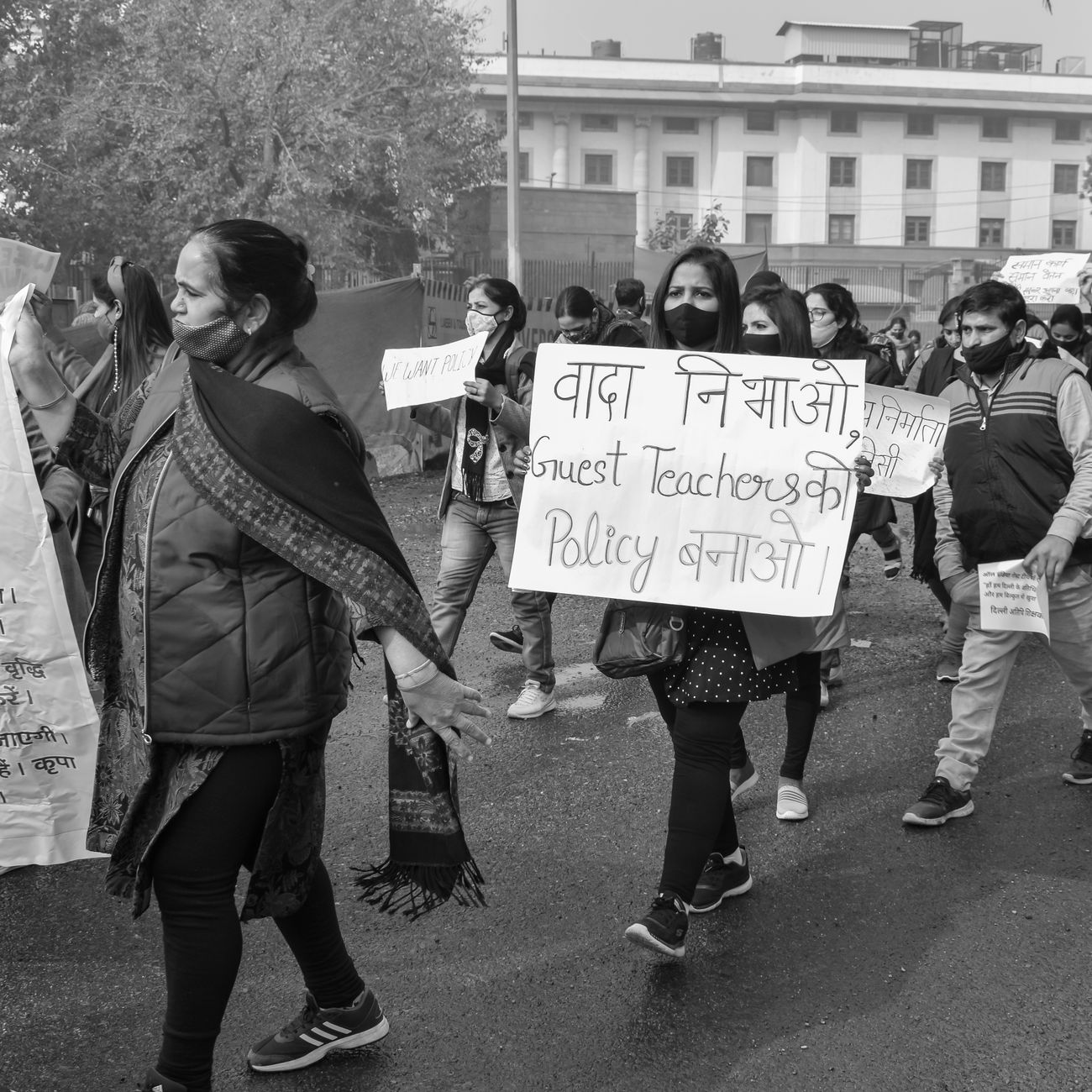
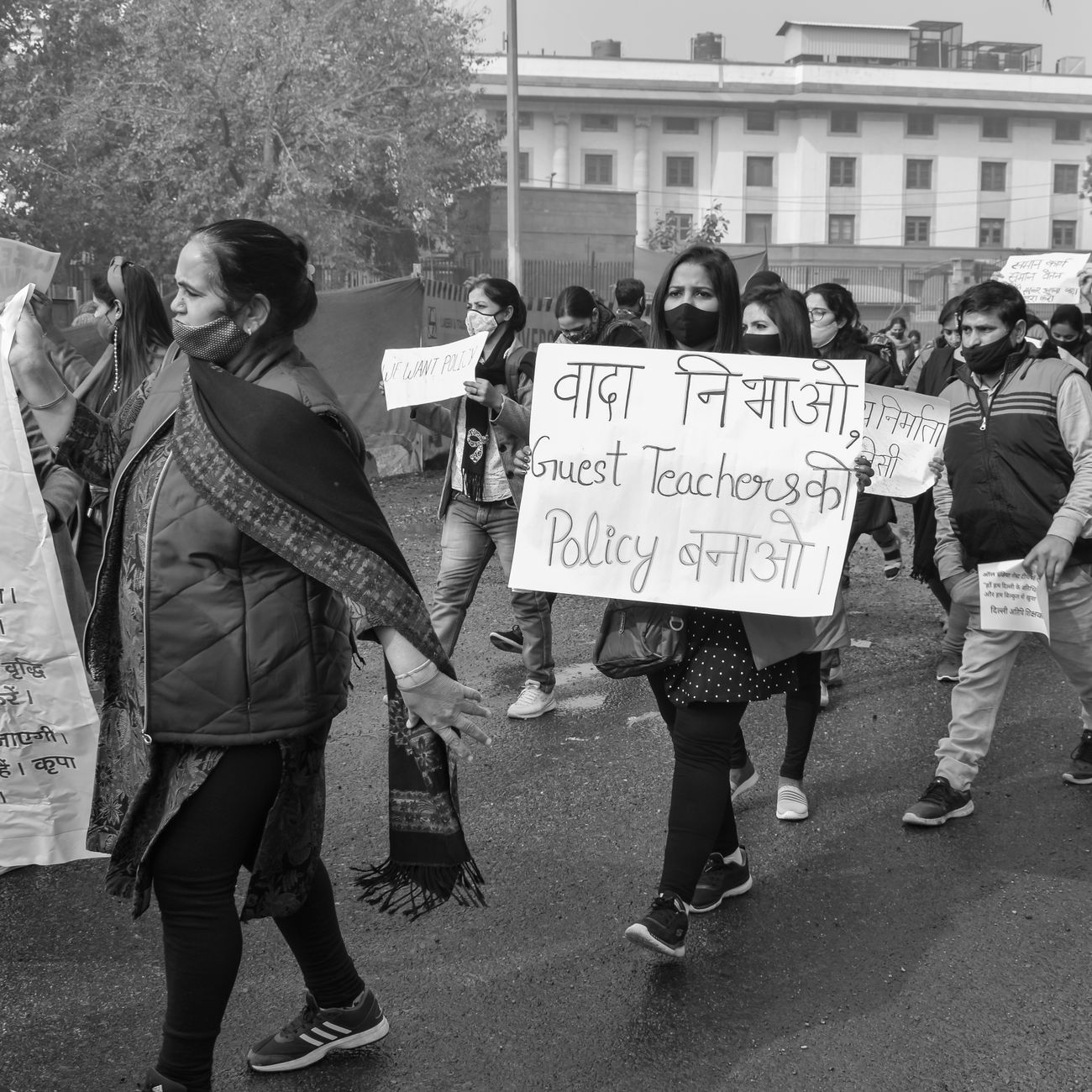
In the bustling city of Pune, amidst the clamour of discontented students and activists, the Cockroach Janta Party (CJP) has made its voice heard. Their newly unveiled manifesto, presented during a spirited protest on Friday, demands comprehensive reforms in the examination system. The release of this manifesto marks a crescendo in their campaign against alleged examination irregularities.
Central to the CJP's demands is a call for ₹10,000 compensation for each student affected by paper leaks, a problem that has plagued India's examination processes with alarming regularity. The manifesto also insists on the physical evaluation of exam sheets to curb malpractices in digital assessments and ensure accurate results.
Joining the movement is renowned climate activist Sonam Wangchuk, who lent his voice to the cause, underscoring the broader implications of educational transparency on societal progress. His participation adds a layer of credibility and urgency to the protest, drawing nationwide attention.
Manifesto Highlights
The CJP's manifesto outlines a vision for a transparent and accountable education system, free from the shackles of corruption and inefficiency. It proposes stringent measures to prevent paper leaks, improve invigilation, and upgrade the infrastructure of examination centres.
Furthermore, the document calls for the resignation of Union Education Minister Dharmendra Pradhan, holding him responsible for the perceived lapses in managing the country's examination processes. This demand underscores the party's emphasis on accountability at the highest levels of government.
National Implications
While the protest began in Pune, the CJP's ambitions are undeniably national. The party has declared plans for a series of demonstrations across India, echoing their demands for reform and justice. The manifesto, therefore, is not just a list of grievances but a blueprint for educational overhaul, aiming to galvanise public support and legislative action.
As the protest gains momentum, it raises pressing questions about the state of India's educational system, challenging policymakers to address systemic issues that have long been overlooked. With public trust in the examination system at stake, the CJP's movement might just be the catalyst needed for meaningful change.