Colombia Embraces Localised Environmental Training for Humanitarian Aid
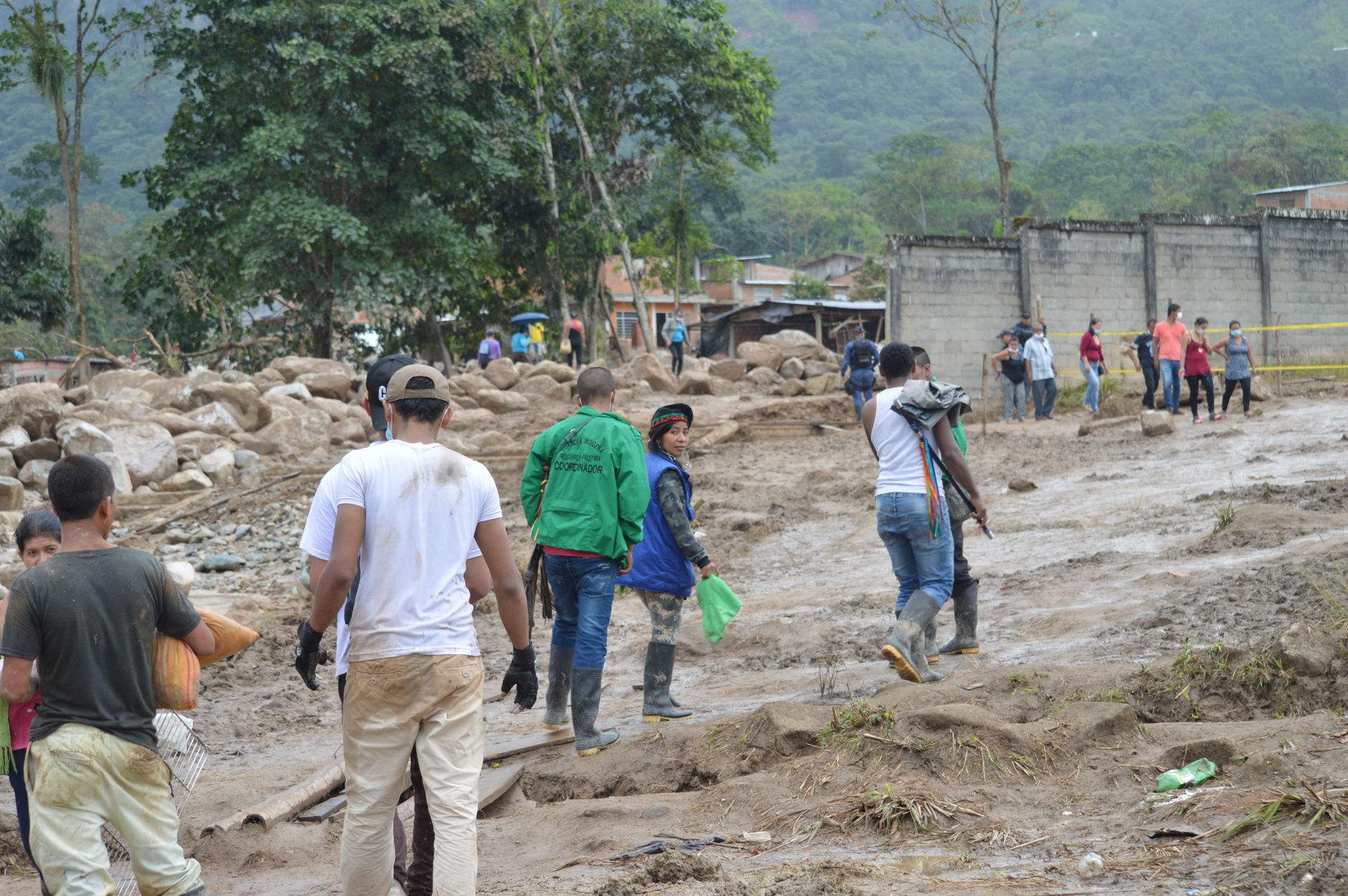
In a significant move towards sustainable humanitarian practices, Colombia has recently embraced the localisation of environmental training materials tailored for humanitarian action. This initiative, part of the broader Localisation of Environment in Humanitarian Action (LEHA) project, marks a pivotal shift in how environmental considerations are integrated into the humanitarian sector.
The training materials, a comprehensive suite of 11 technical modules alongside a training-of-trainers module, have been meticulously crafted to address specific environmental challenges faced during humanitarian operations. These modules are designed not only to educate but also to empower local organisations and individuals, equipping them with the necessary knowledge and skills to make informed, environmentally-conscious decisions.
Empowering Local Expertise
The LEHA project, managed by the UNEP/OCHA Joint Environment Unit and financially backed by the Swiss Agency for Development and Cooperation, underscores a commitment to enhancing local expertise. By focusing on localisation, the initiative aims to foster a greater understanding of environmental issues among those directly involved in humanitarian efforts on the ground.
This training approach is particularly noteworthy for its adaptability. It allows local trainers to customise the content to better suit regional environmental contexts, thereby ensuring that the knowledge imparted is both relevant and applicable. The open-source nature of the training materials further encourages widespread adoption and adaptation, facilitating a more resilient and informed humanitarian response.
A Collaborative Effort
The development of these training materials was no small feat. It was a collaborative effort, drawing expertise from a range of stakeholders who contributed to the Global Training Template. This template serves as a foundational guide, offering a structured yet flexible framework that can be tailored to various local needs.
As Colombia steps forward with this initiative, it sets a precedent for other nations to follow. In a world increasingly affected by environmental changes, such proactive measures in the humanitarian sector are not just beneficial but essential. By integrating environmental considerations into humanitarian training, Colombia is paving the way for a more sustainable future.