Colombian Efforts to Localise Environmental Training in Humanitarian Action
In the heart of Bogotá, a significant step towards integrating environmental concerns into humanitarian action is underway. The Joint Environment Unit (JEU) has organised a training session aimed at equipping local humanitarian actors with the tools to better address environmental challenges within their operations.
Taking place from 23rd to 28th November, this initiative will see 24 participants from across Colombia engage in a comprehensive programme. The training material, painstakingly localised for the Colombian context, seeks to bridge the gap between global environmental standards and local realities.
According to the organisers, the localisation process involved adapting the Global Training Template to the specific environmental and cultural nuances of Colombia. This was made possible through a collaborative effort involving specialists in both environmental and humanitarian domains.
Why Localisation Matters
The importance of such localisation efforts cannot be overstated. By tailoring training materials to local contexts, participants are not only more engaged but also more capable of applying the knowledge effectively. Localisation ensures that the training resonates with the participants' experiences and challenges, making it more relevant and impactful.
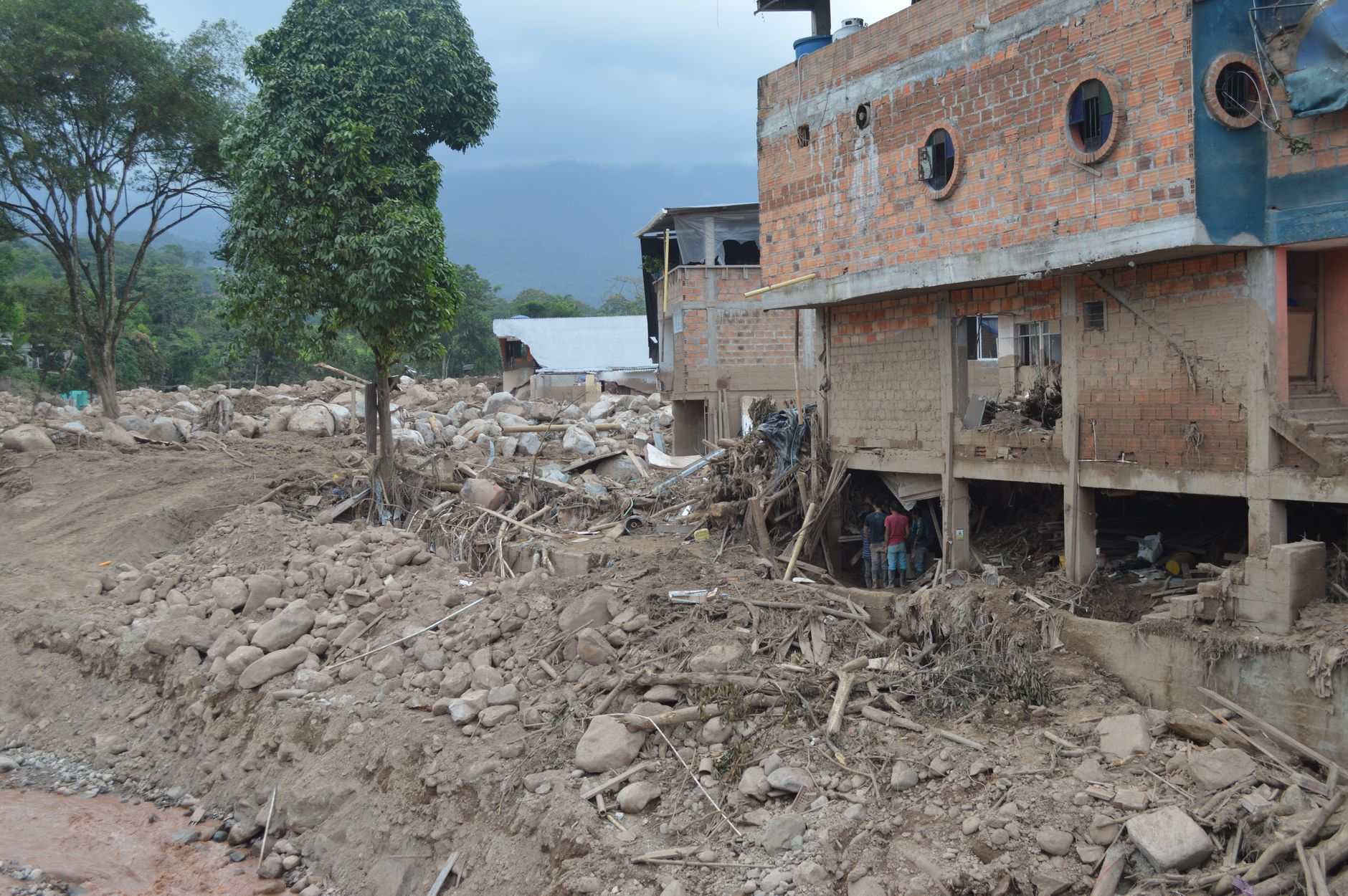
The initiative is seen as a crucial step in enhancing the effectiveness of humanitarian efforts in Colombia, a country frequently beset by environmental challenges. By equipping local actors with the necessary tools and knowledge, the training aims to foster a more environmentally sustainable approach to humanitarian action.
The programme will delve into various aspects of environmental management, including sustainable resource use and disaster risk reduction, areas of particular relevance given Colombia's diverse ecosystems and frequent natural disasters.
Whilst the task of localisation is complex, the benefits are manifold. It empowers local actors, enhances the relevance of training, and ultimately leads to more sustainable and effective humanitarian outcomes.