Concerns Mount as AICWA Demands Inquiry into Actor Rajesh Sharma's Set Emergency
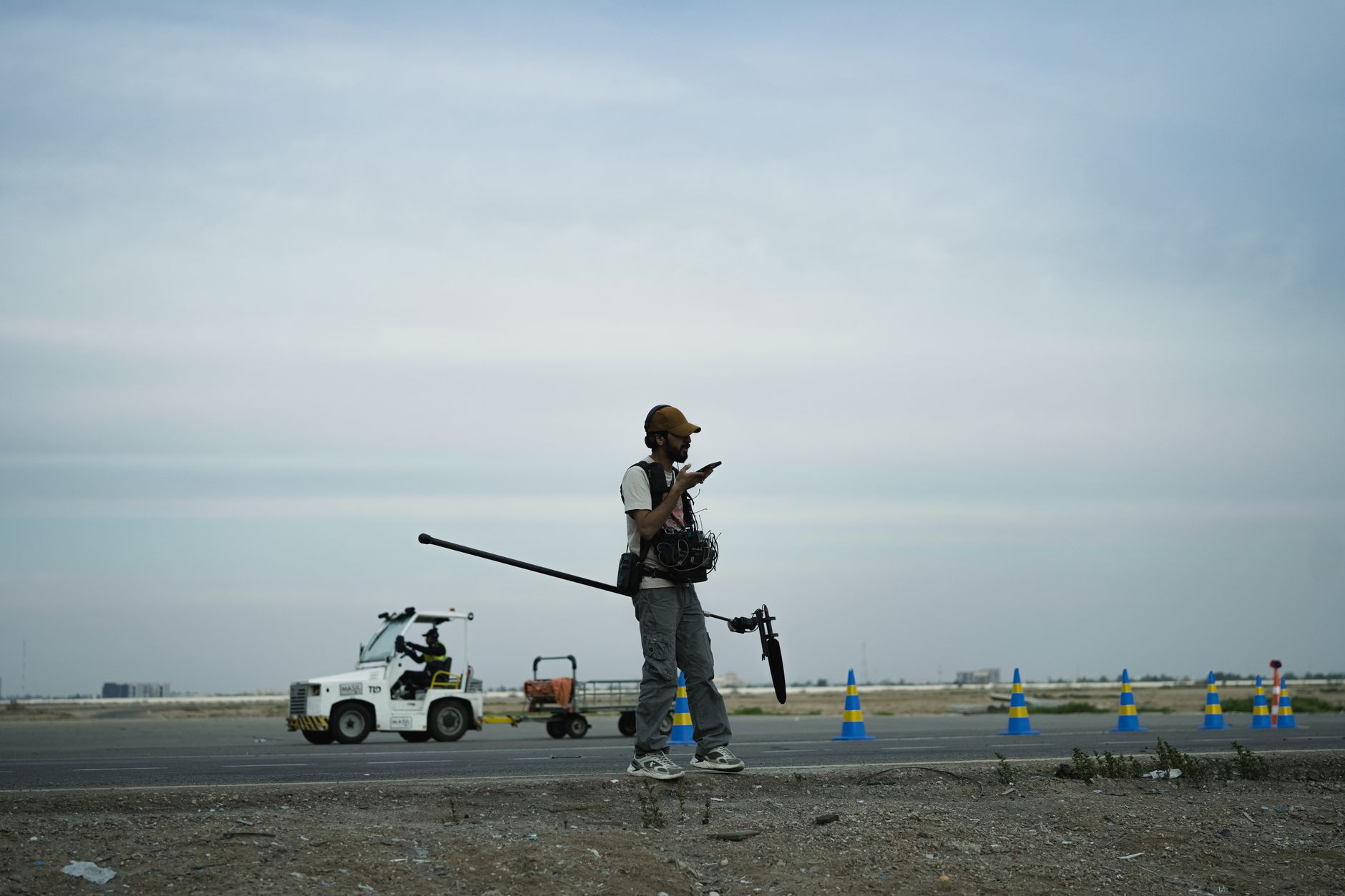
The recent medical emergency involving veteran actor Rajesh Sharma has shaken the Indian film industry, raising pressing questions about the safety measures in place on film sets. Sharma, known for his compelling performances, was filming for the much-anticipated Prabhas starrer 'Fauji' when he reportedly fell ill at Ramoji Film City in Hyderabad. The incident has brought to light the often-overlooked issue of workplace safety in the entertainment world.
In response, the All Indian Cine Workers Association (AICWA) has demanded a comprehensive investigation into the circumstances surrounding Sharma's sudden health scare. The association has expressed concerns over the adequacy of emergency medical facilities and the general safety protocols on sets. These calls for scrutiny are not without precedent, as the industry has seen similar incidents in the past, though few have prompted such public outcry.
Safety on Sets Under Scrutiny
Film sets are known for their vibrant chaos, a hive of creativity and pressure. However, this environment can also harbour risks when safety protocols are not meticulously observed. AICWA's call for an investigation underscores the need for stringent adherence to safety norms—a matter that has become increasingly pertinent as the scale of film productions continues to grow.
While Rajesh Sharma's condition is currently stable, the incident has sparked debate about the roles and responsibilities of production companies in ensuring the well-being of their cast and crew. Questions are being raised about whether the pressures of tight schedules might be compromising safety standards.
Industry-Wide Implications
This incident is more than just a health scare; it is a wake-up call for the industry. The discussion around workplace safety extends beyond immediate medical emergencies to include concerns over hygiene, rest periods, and mental health support. As film sets become ever more ambitious, the resources dedicated to the safety and health of those who bring these stories to life must proportionally increase.
The outcome of any investigation will likely set a precedent, shaping future policies and perhaps even leading to regulatory changes. As stakeholders wait for developments, the industry must reflect on whether it is doing enough to protect its most valuable asset—its people.