Congress Warns of Ecological Peril in Great Nicobar Project
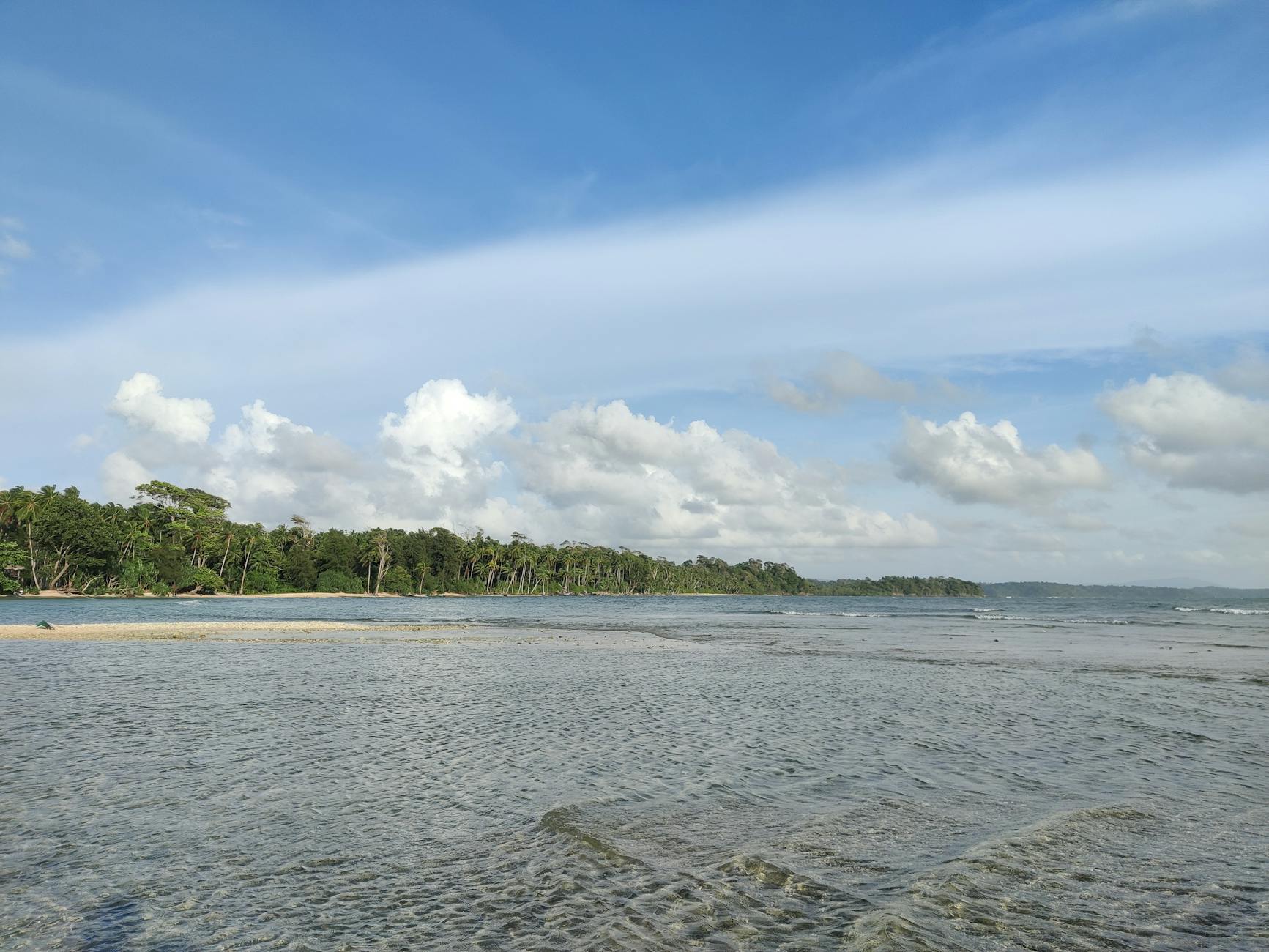
The Great Nicobar Island, home to some of the most diverse ecosystems in the Indian Ocean, is at the heart of a brewing political storm. Congress leader Jairam Ramesh has penned a letter to Defence Minister Rajnath Singh, urging a re-evaluation of a proposed development project that he claims threatens to devastate the island's delicate ecological balance.
Ramesh, a former environment minister, did not mince words as he described the project as a 'recipe for ecological disaster'. His concerns are rooted in the potential destruction of the island's rich biodiversity, which includes a variety of endemic species, some of which are already on the brink of extinction.
In his letter, Ramesh challenges the validity of the environmental clearances granted to the project. He contends that the clearances have been issued on 'questionable grounds', and argues for a comprehensive review to ensure that the island's unique natural heritage is preserved.
Environmental Concerns Meet Strategic Interests
The Great Nicobar Island Project is part of India's broader strategy to bolster its defence infrastructure in the region. However, this has sparked a fierce debate about the trade-offs between strategic interests and environmental sustainability. Ramesh's letter highlights the need for a balanced approach that does not sacrifice the environment at the altar of development.
“While the strategic imperatives are understandable, they should not overshadow the environmental costs,” he wrote, suggesting that alternative sites with lesser ecological impact be considered for the development. His stance is supported by environmentalists who argue that the project's current form could lead to irreversible damage to the island's ecosystem.
A Call for Responsible Development
Ramesh's appeal underscores a broader call for responsible development practices that respect environmental limits. In a world increasingly conscious of ecological footprints, the challenge facing policymakers is to find ways to harmonise development with nature.
As the debate continues, the future of the Great Nicobar Island remains uncertain. What is clear, however, is that any decision will have lasting implications not just for the island, but for how India balances its developmental goals with environmental stewardship.