Congress Warns of Environmental Peril in Nicobar Project
In a dramatic plea to India's Defence Minister, Congress MP Jairam Ramesh has sounded the alarm over the Great Nicobar Island Project. Ramesh's letter, which bristles with urgency, warns of an impending 'ecological disaster' should the project proceed unchecked. The concern stems from the potential impact on the island's delicate environment and its indigenous communities.
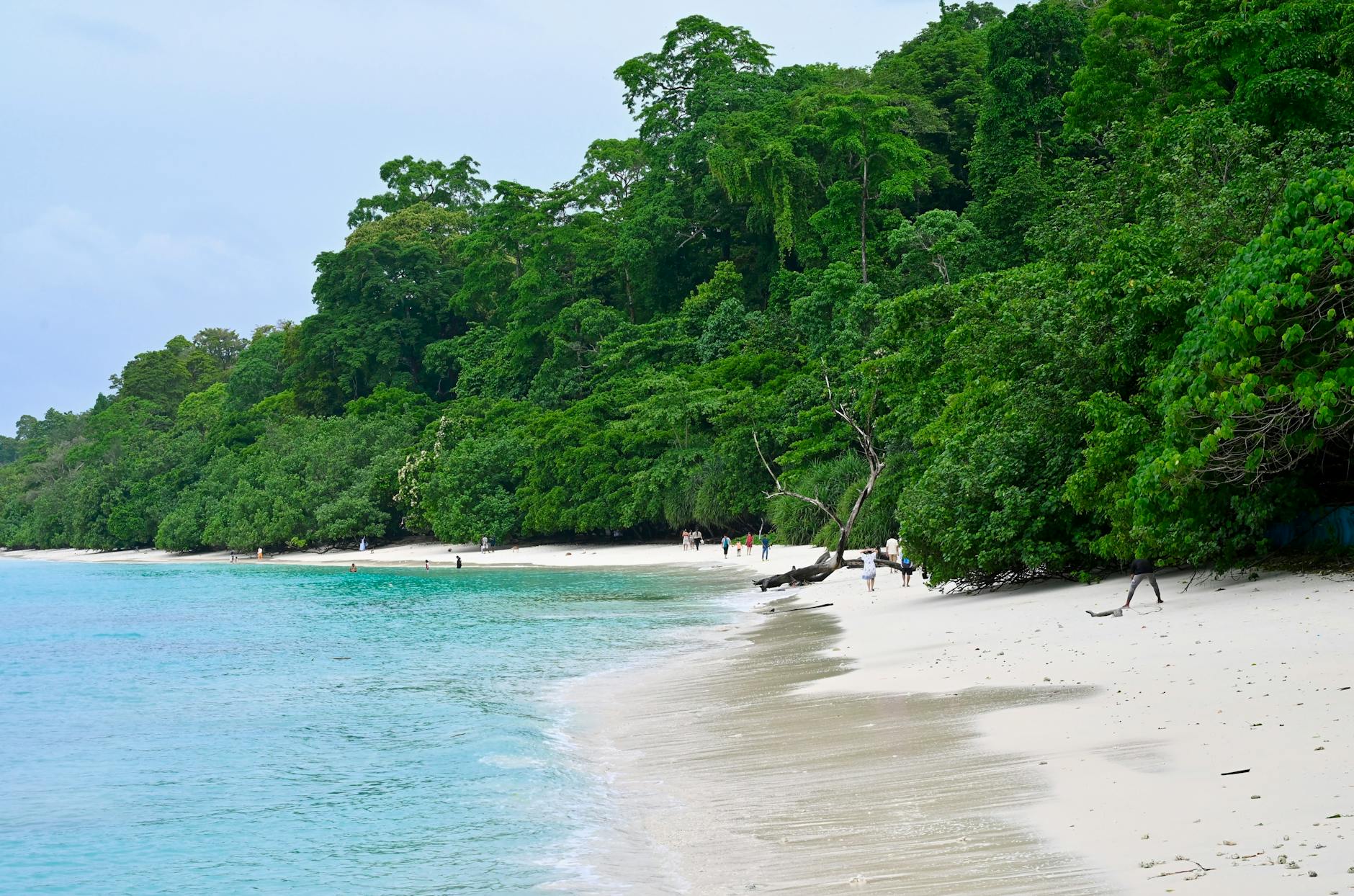
The Great Nicobar Island, a remote yet ecologically significant part of the Andaman and Nicobar archipelago, is poised for a major infrastructural overhaul. The project envisages a transhipment port, an airport, and other facilities intended to bolster India's strategic capabilities in the Indian Ocean. However, the development has sparked a fierce debate about the cost to the island's rich biodiversity and the traditional livelihoods of its tribal inhabitants.
Environmental and Social Concerns
Ramesh's missive highlights the precarious balance between development and conservation. The island's forests are home to unique flora and fauna, many of which are not found anywhere else in the world. The proposed construction threatens to disrupt this habitat, potentially leading to irreversible damage to the ecosystem.
Furthermore, the project raises significant social issues. The indigenous tribes, who have lived in harmony with the island's environment for centuries, face the risk of displacement and cultural erosion. Ramesh stresses the need to prioritise these communities' rights and voices in any developmental planning.
A Call for Reassessment
The Congress leader's letter does not merely criticise; it calls for a comprehensive reassessment of the project's design. Ramesh urges the government to consider alternative strategies that could achieve economic goals without compromising environmental integrity. This includes exploring less invasive infrastructure solutions and enhancing existing facilities elsewhere.
While the strategic importance of such developments is acknowledged, Ramesh's intervention serves as a reminder of the broader implications. As India seeks to assert its maritime influence, it must tread carefully to avoid long-term ecological consequences. The Great Nicobar Island Project, in its current form, stands at a crossroads, where the choices made today will echo through the island's future.